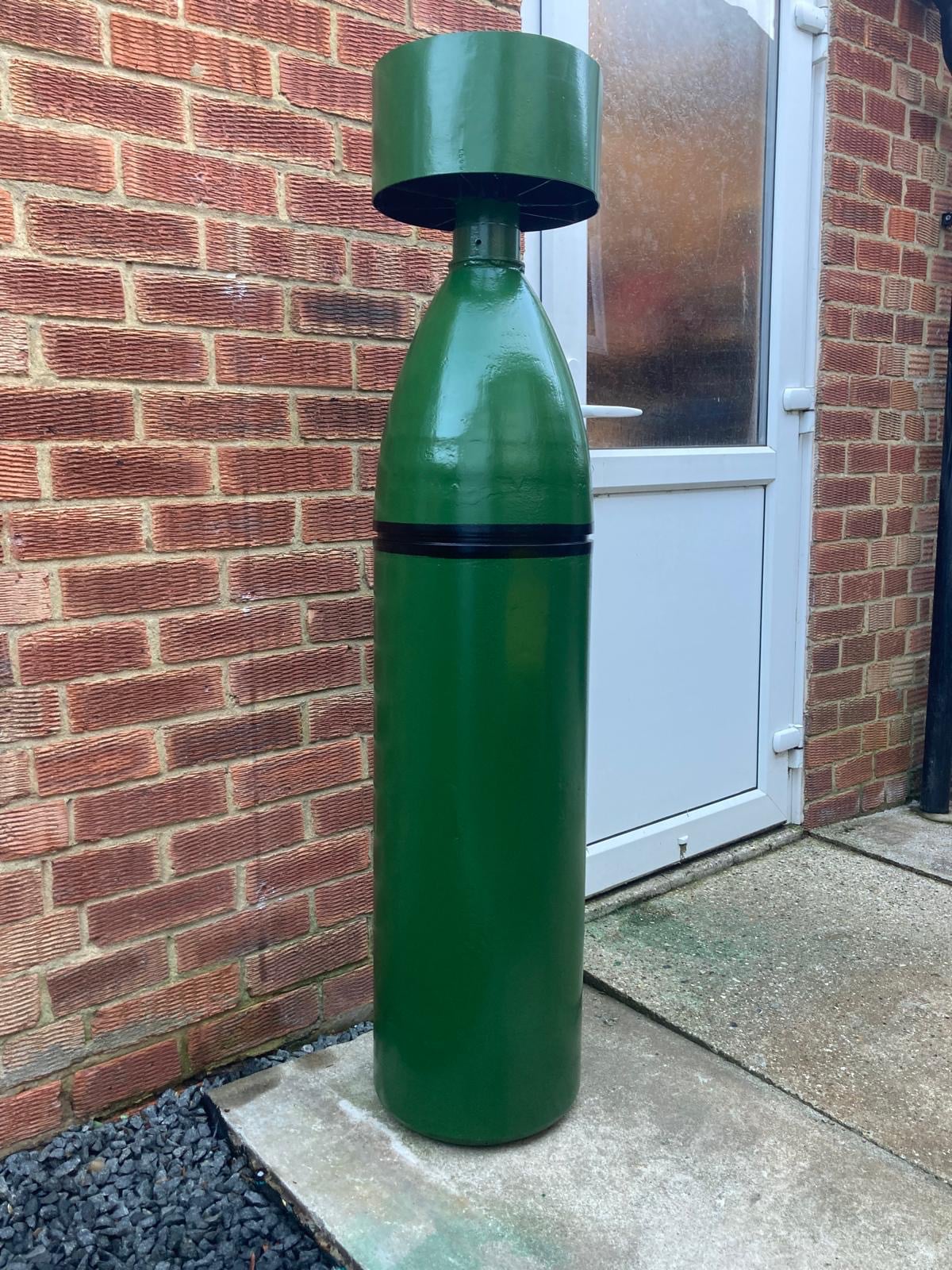
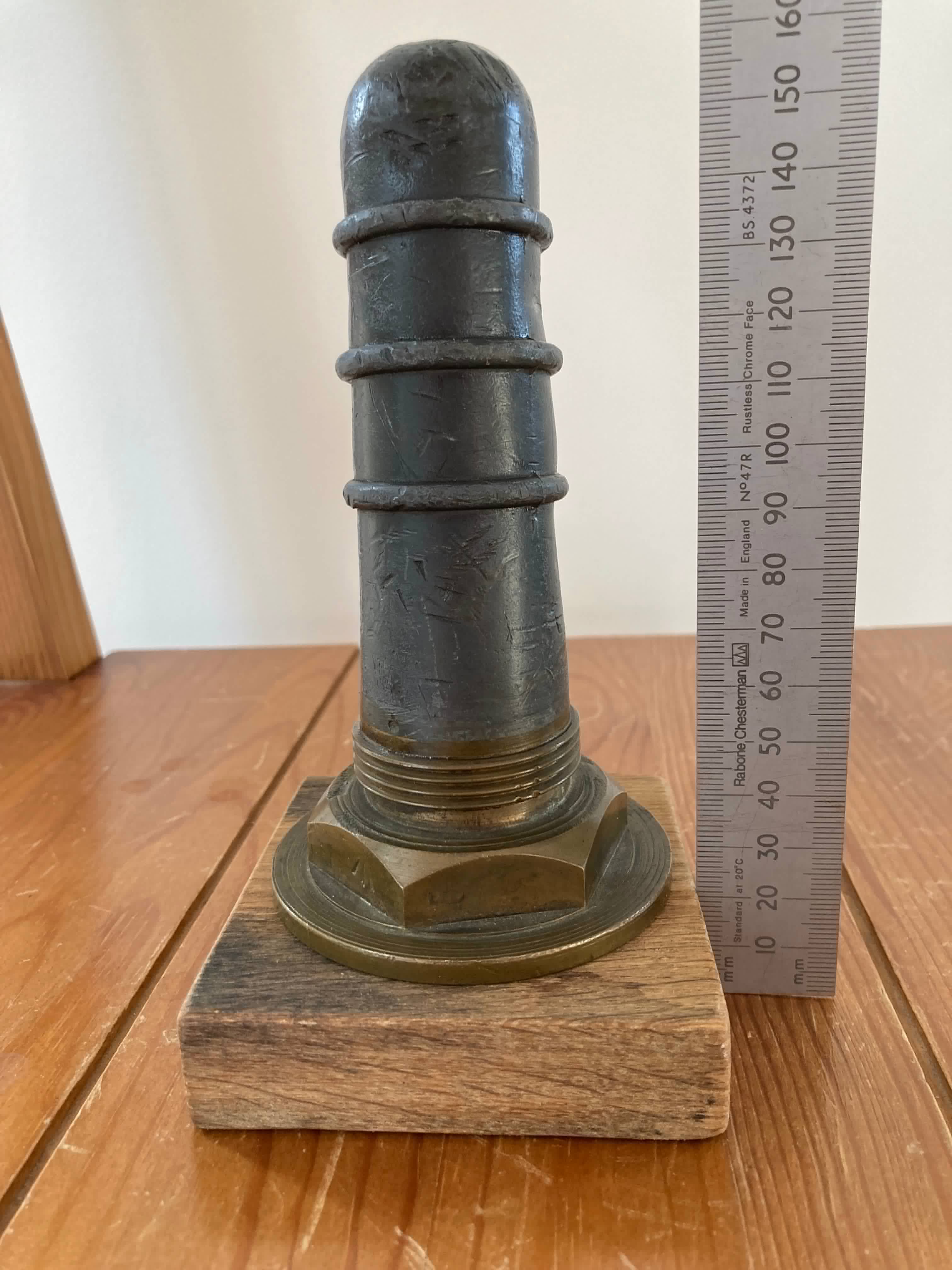
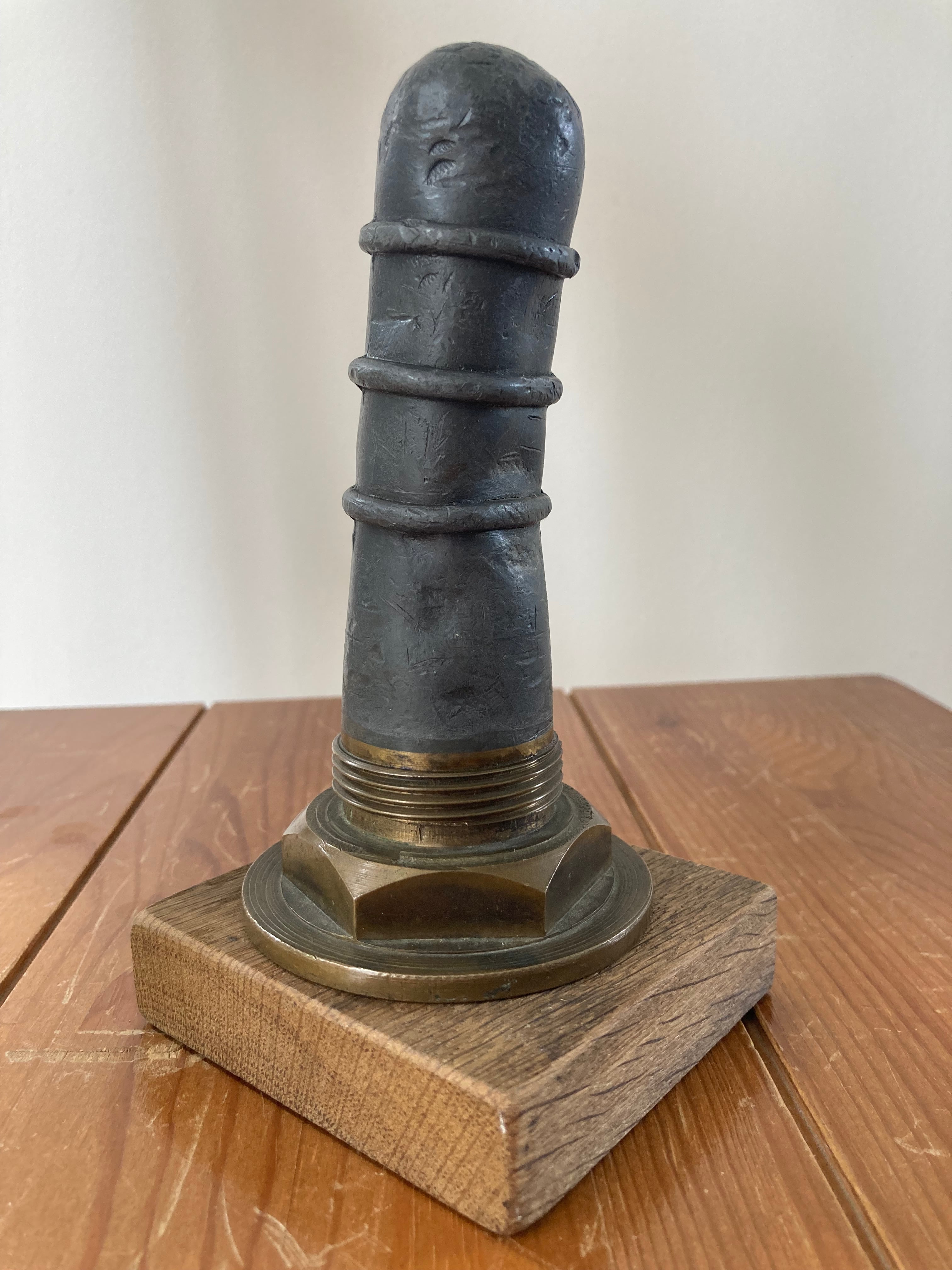
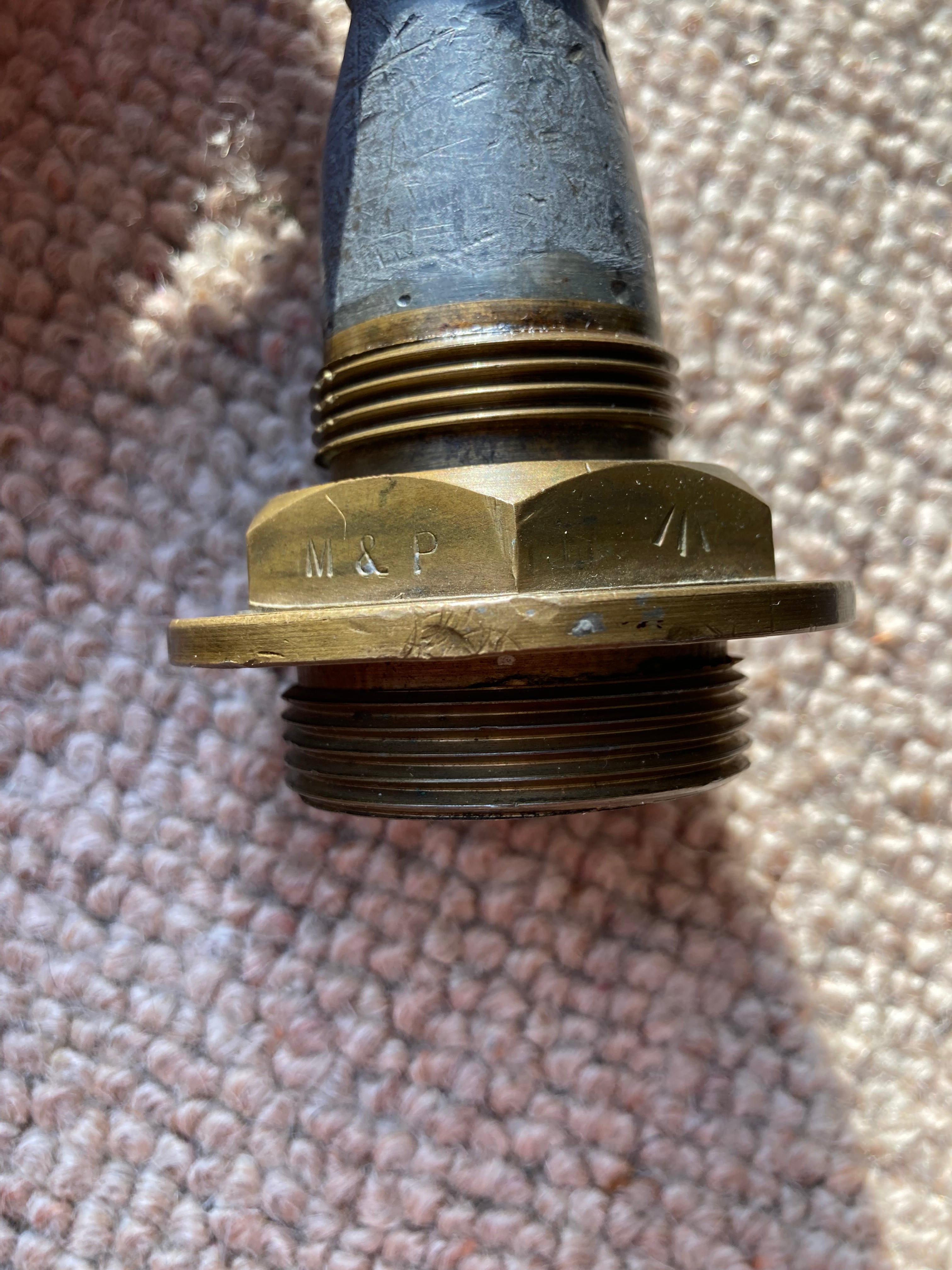
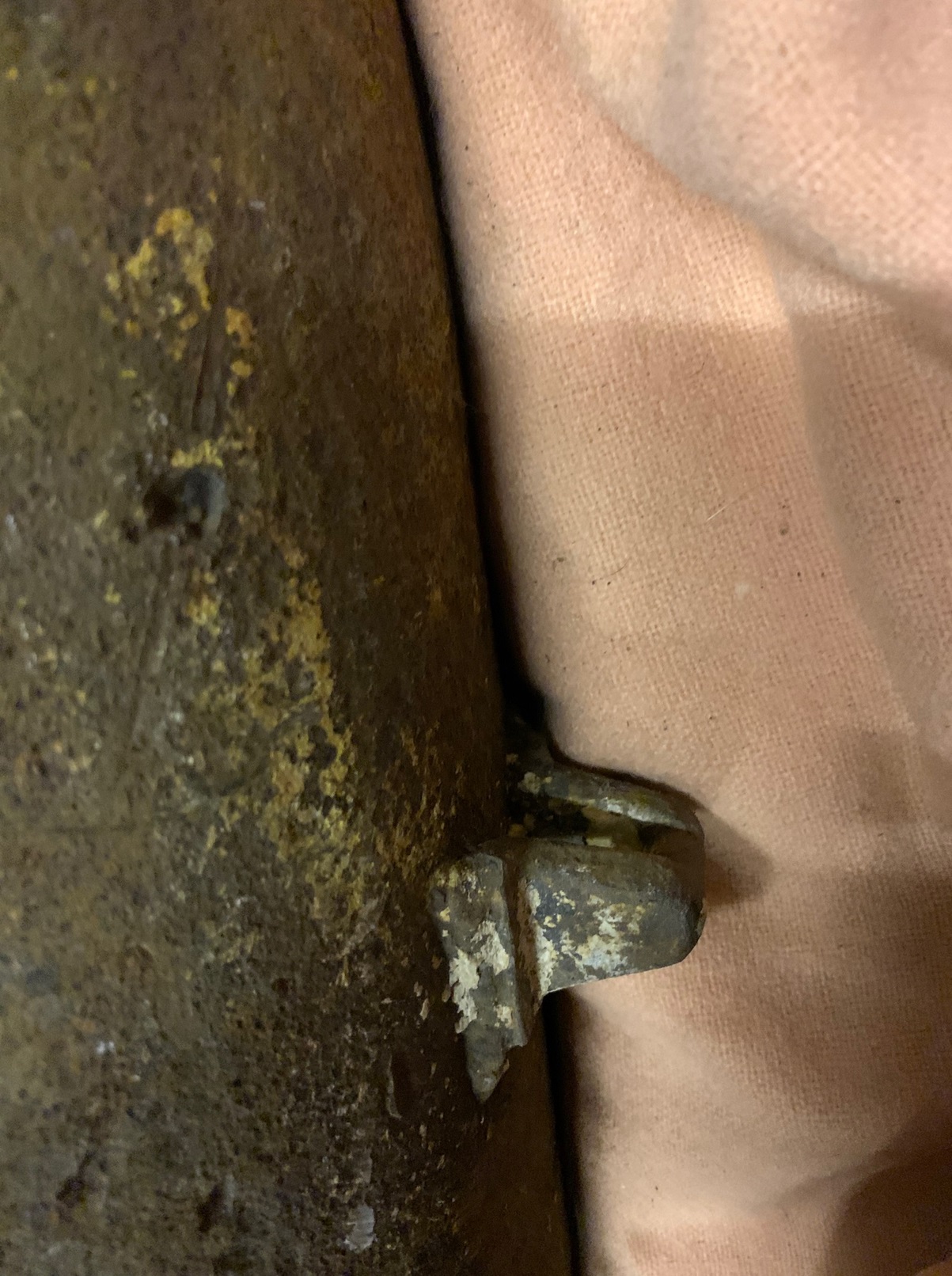
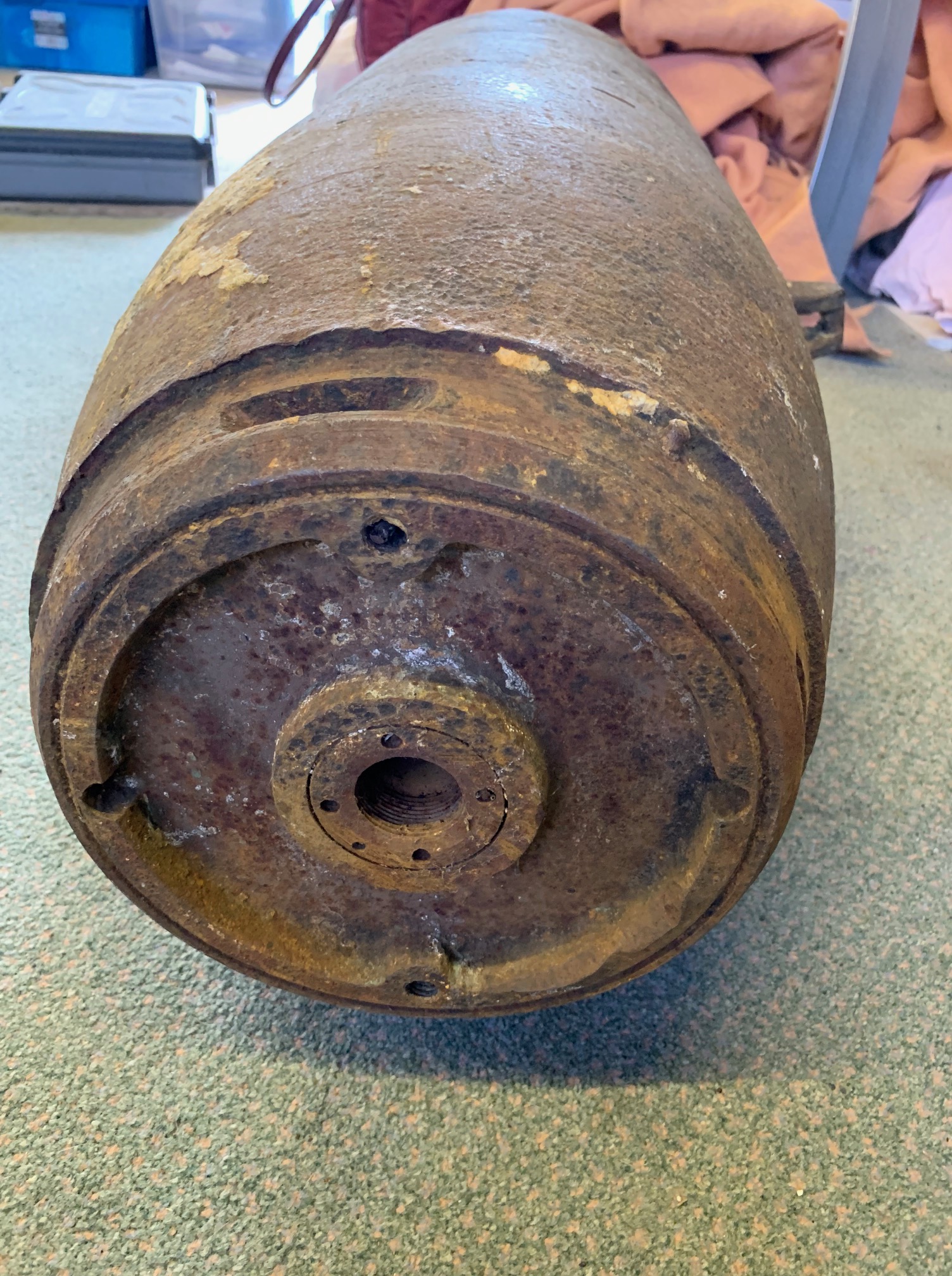
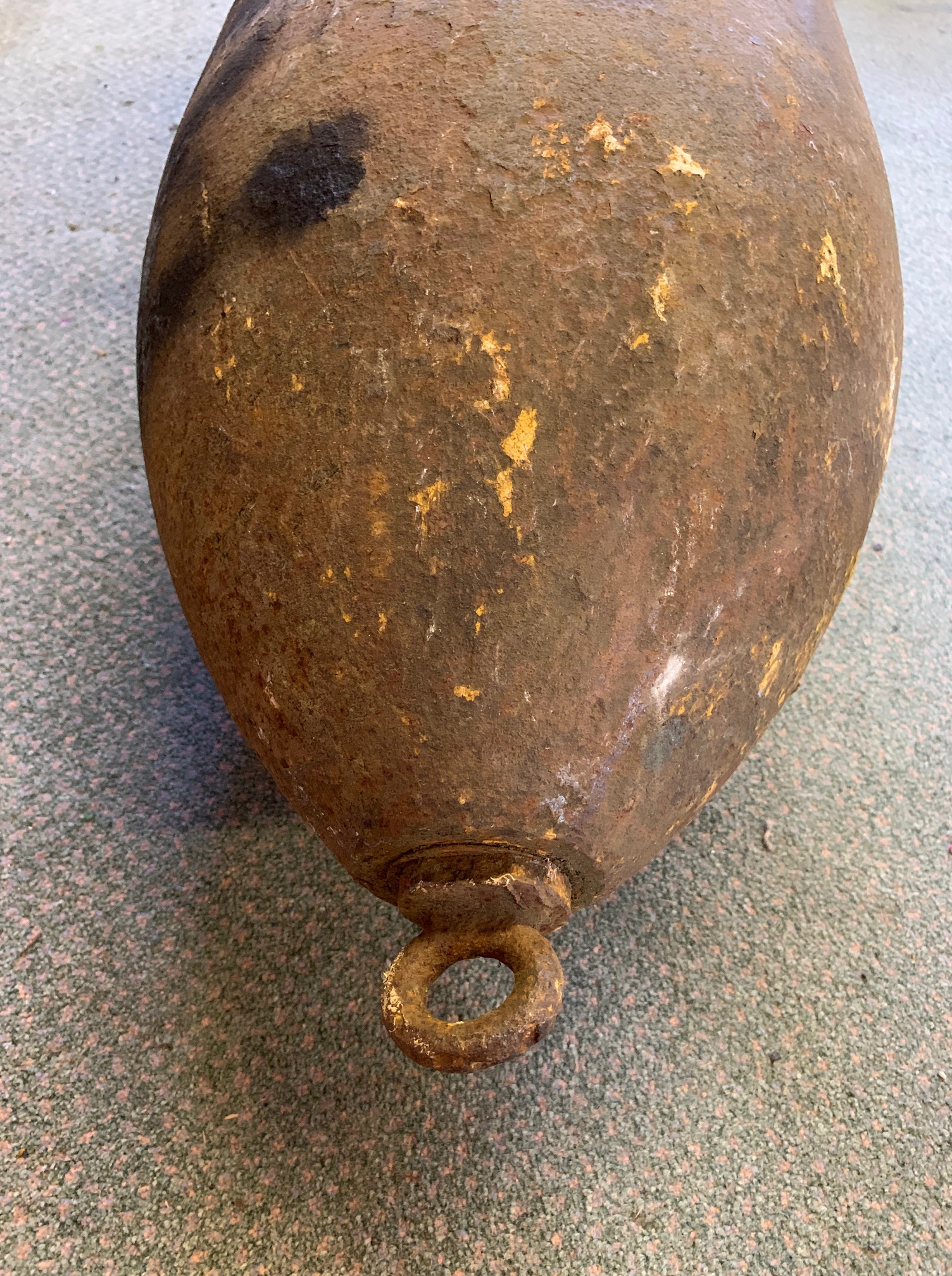
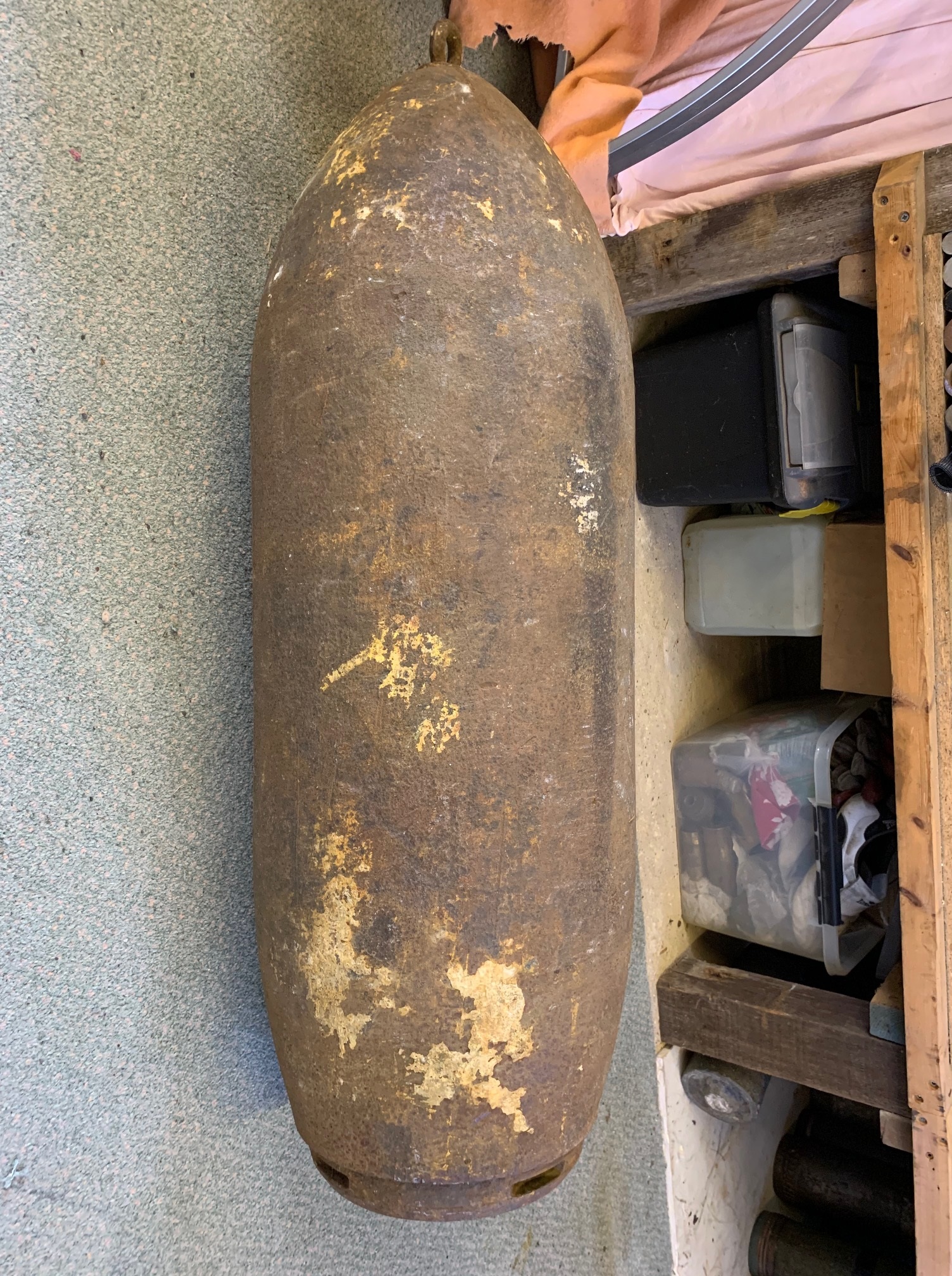
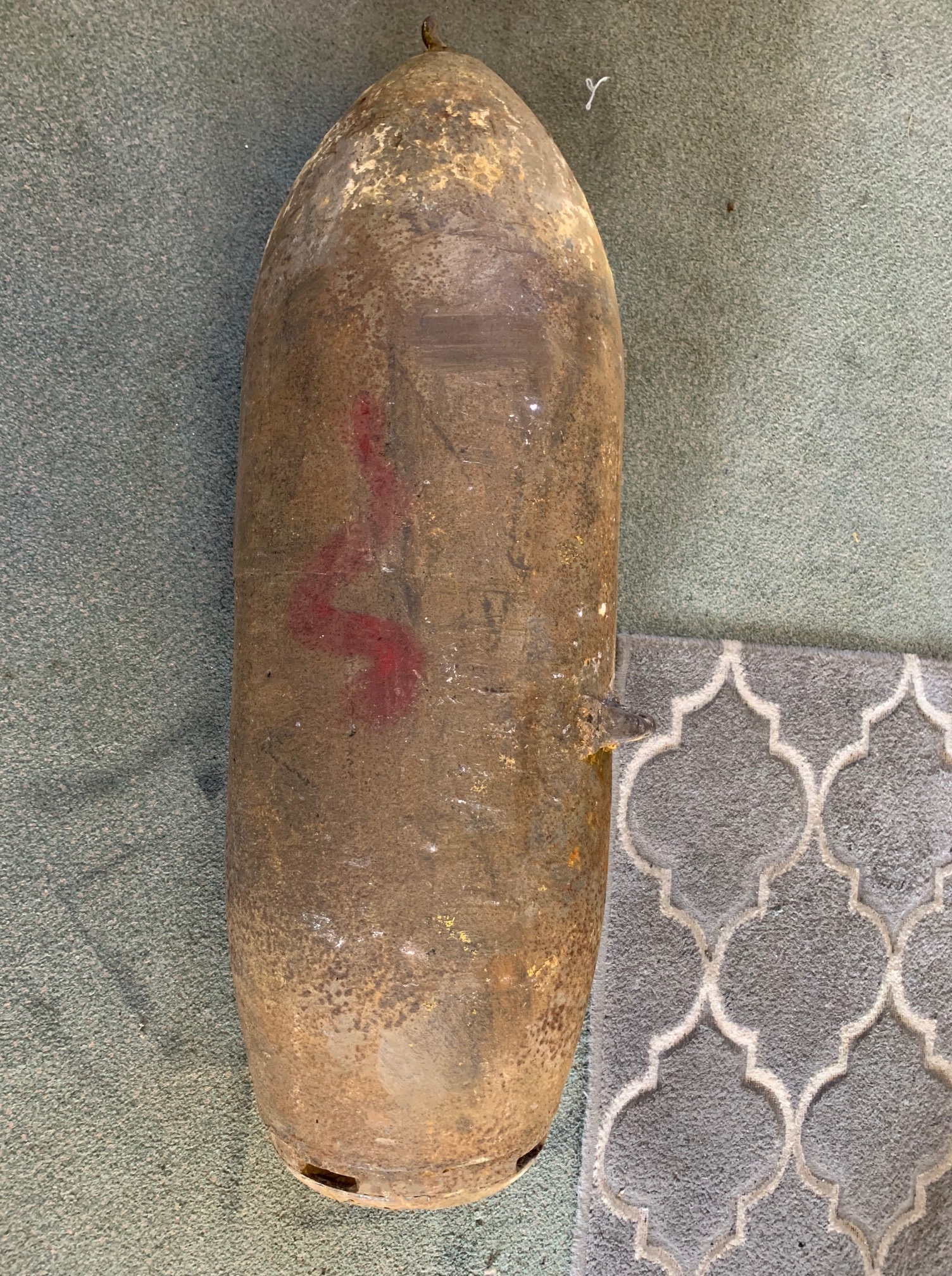
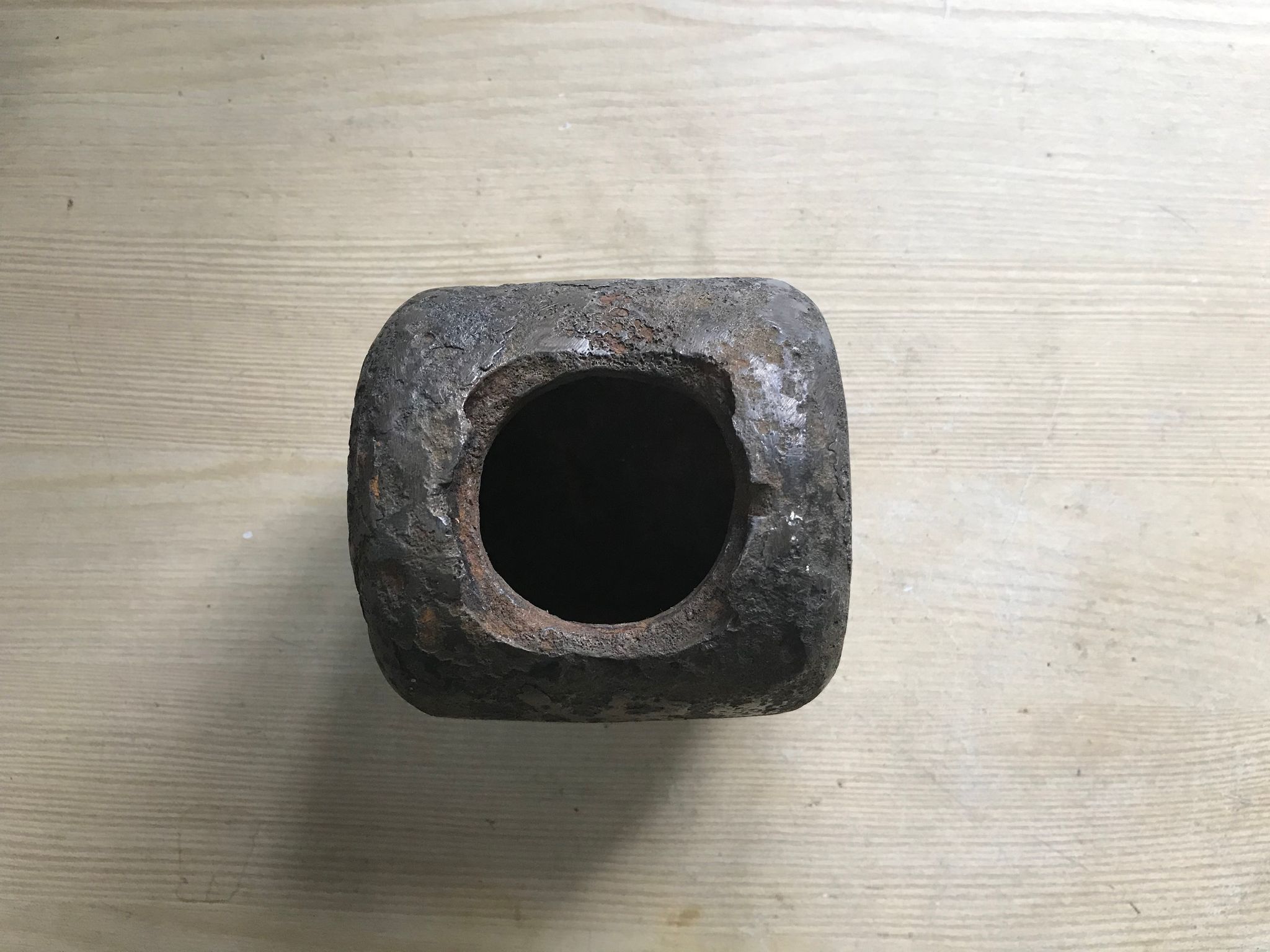
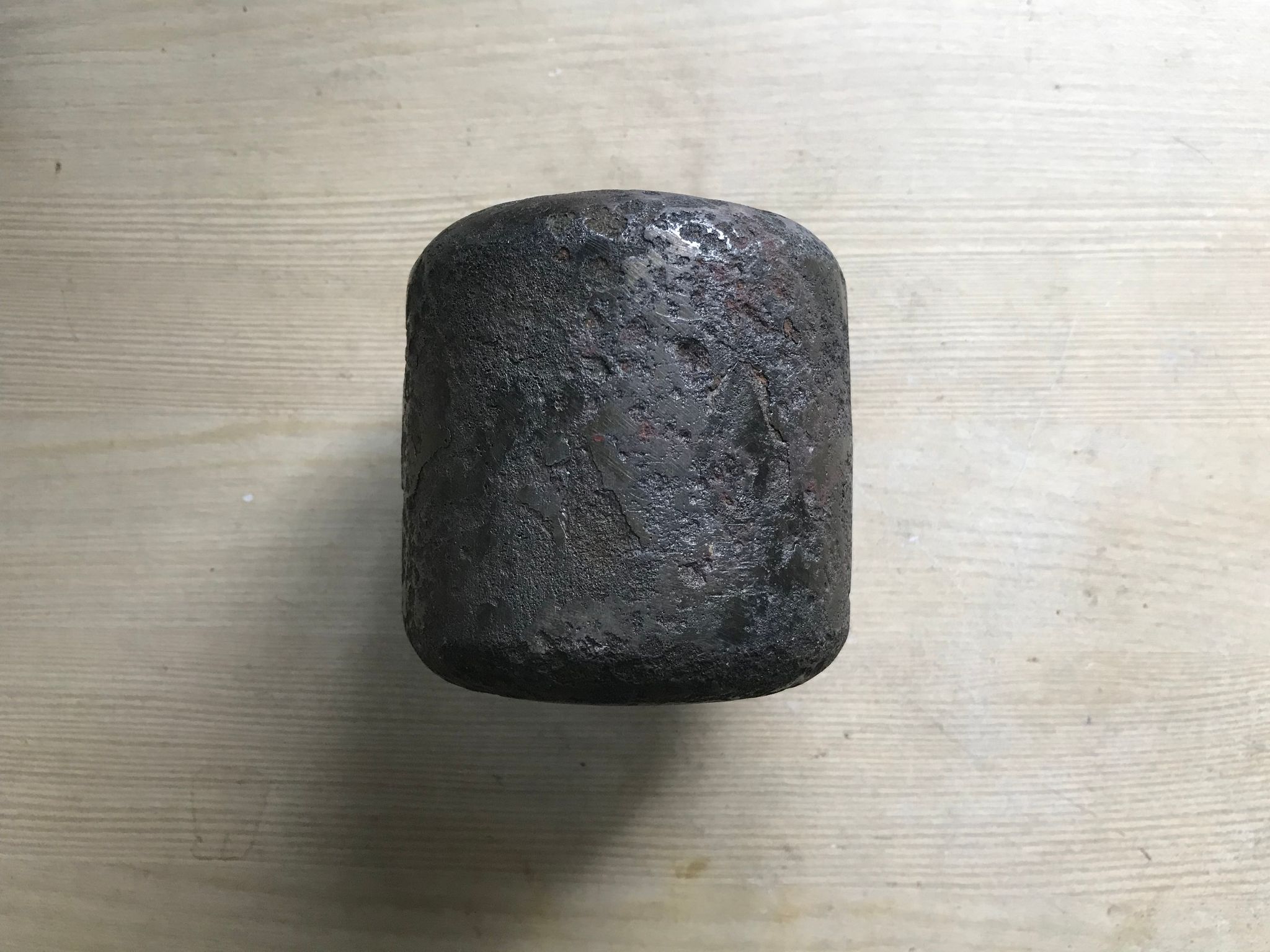
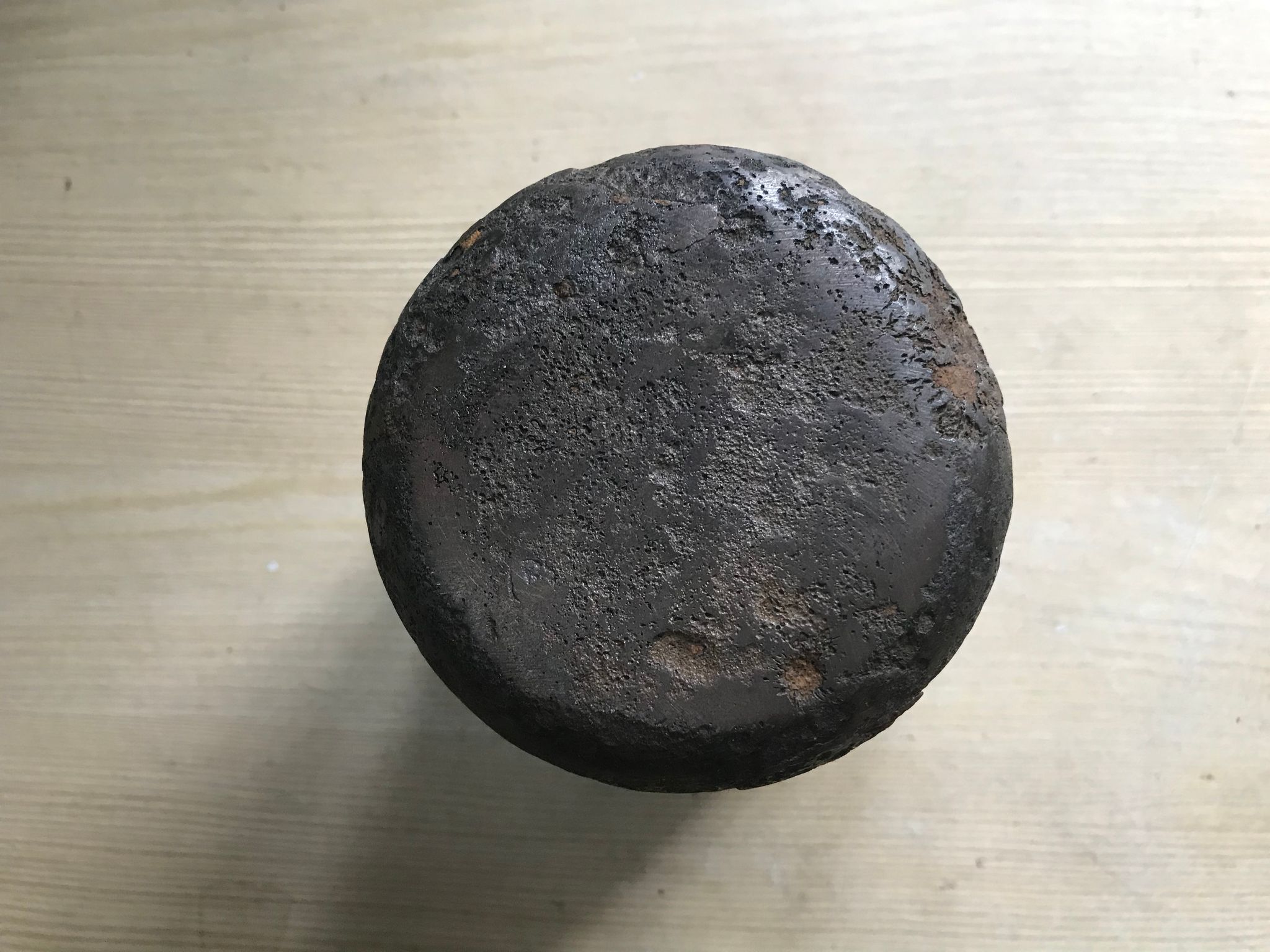
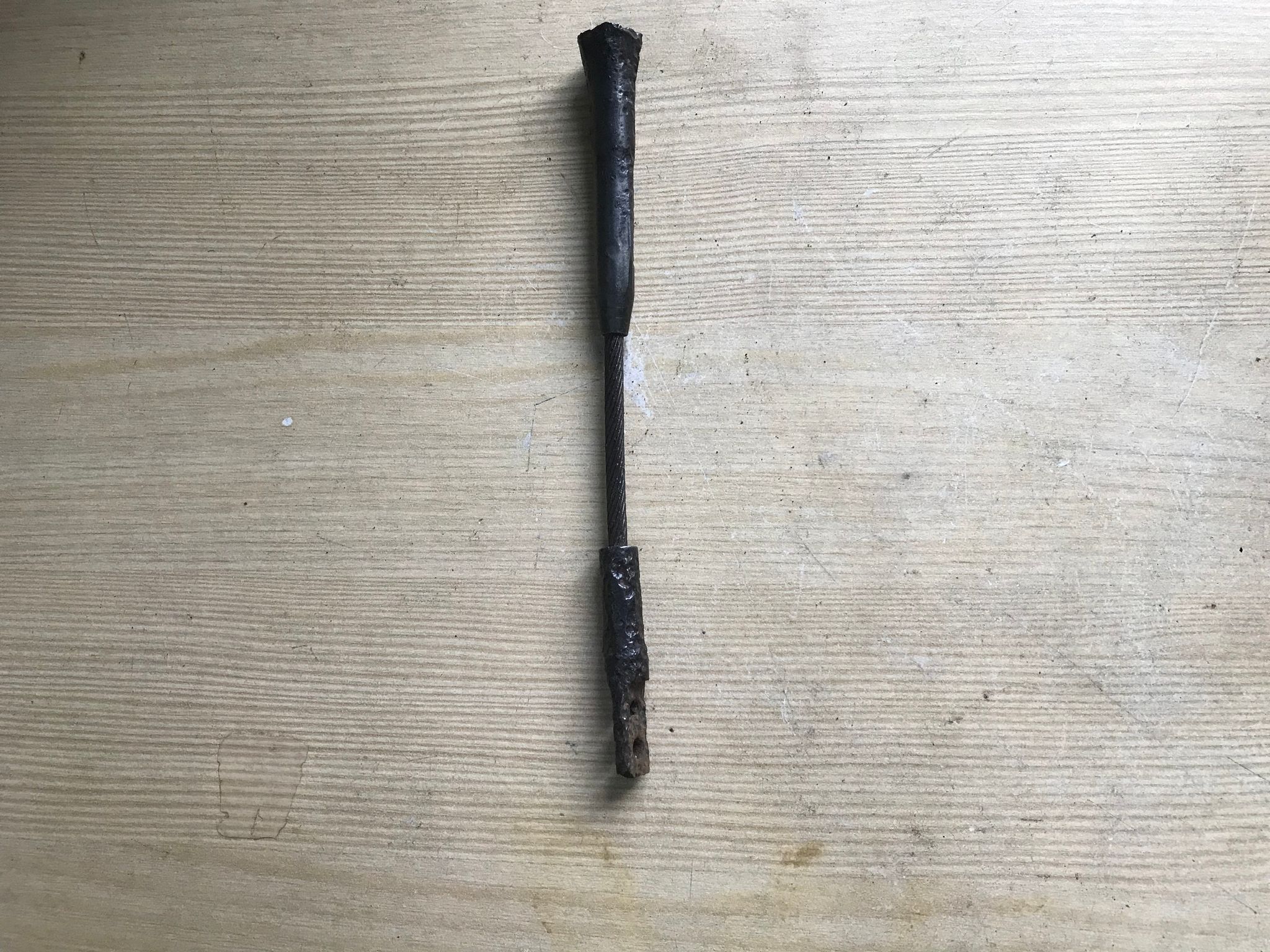
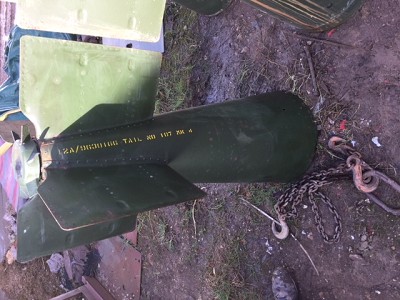
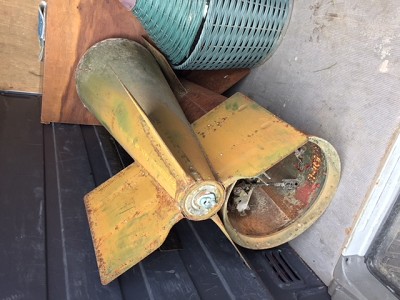
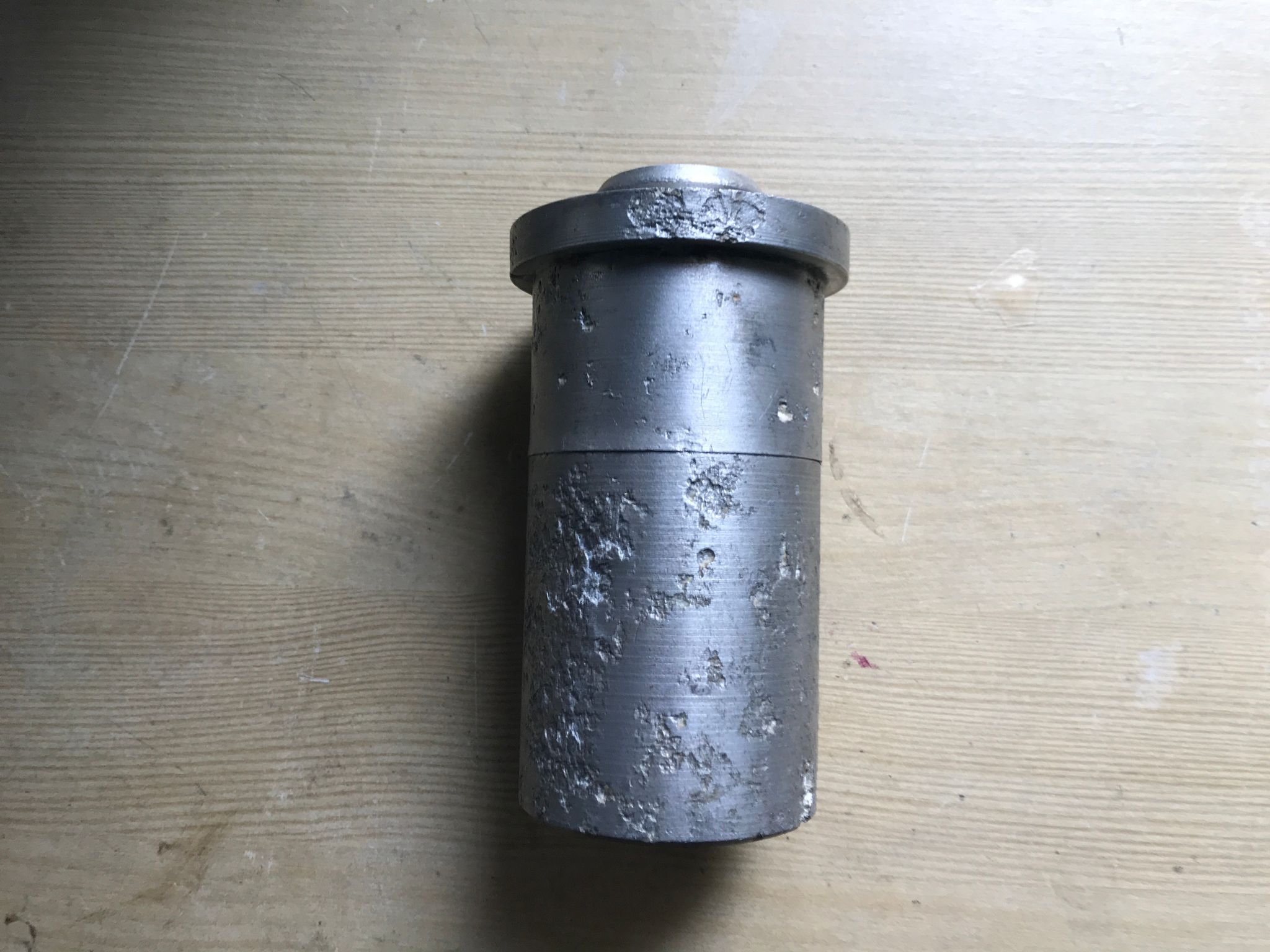
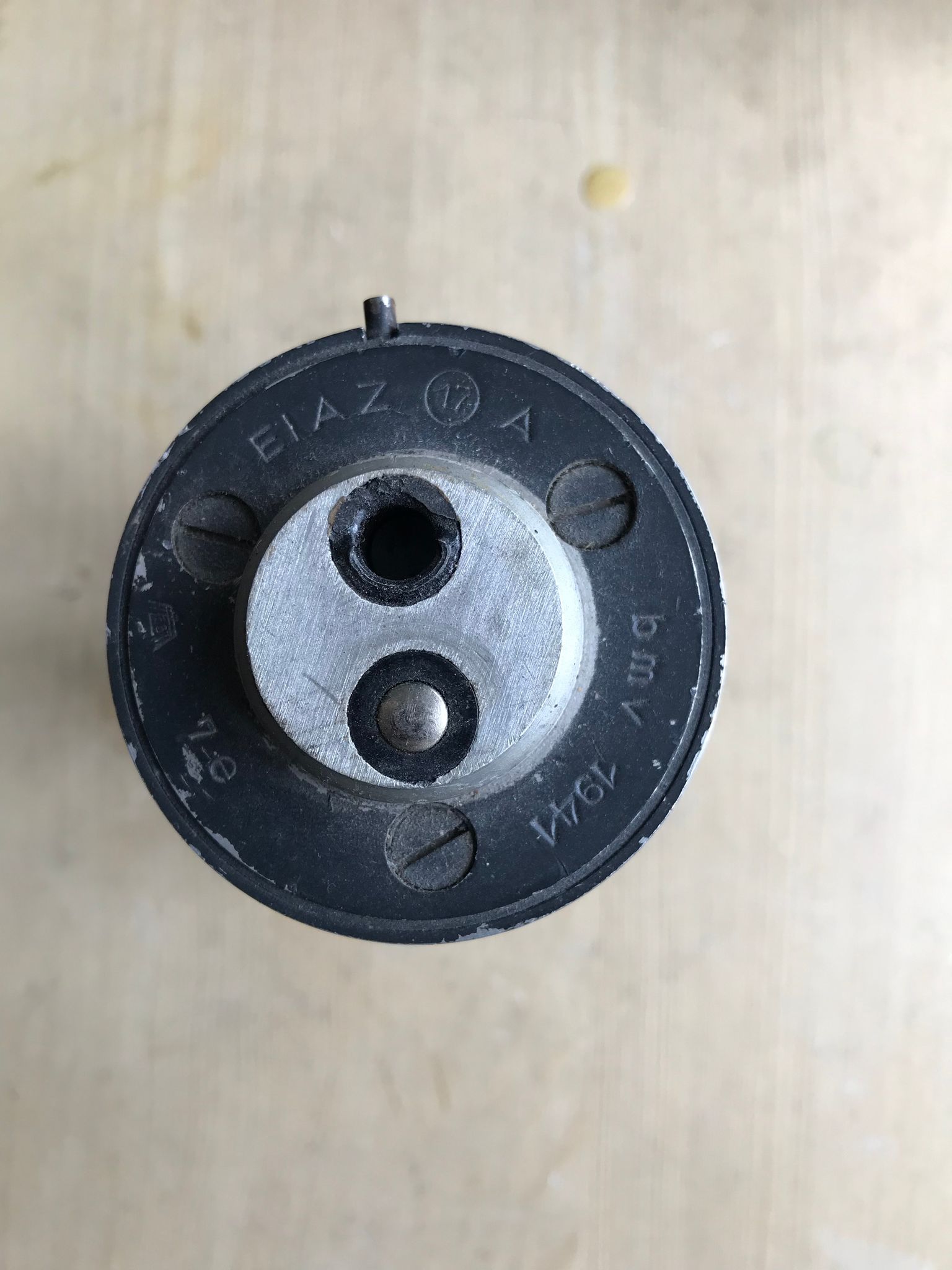
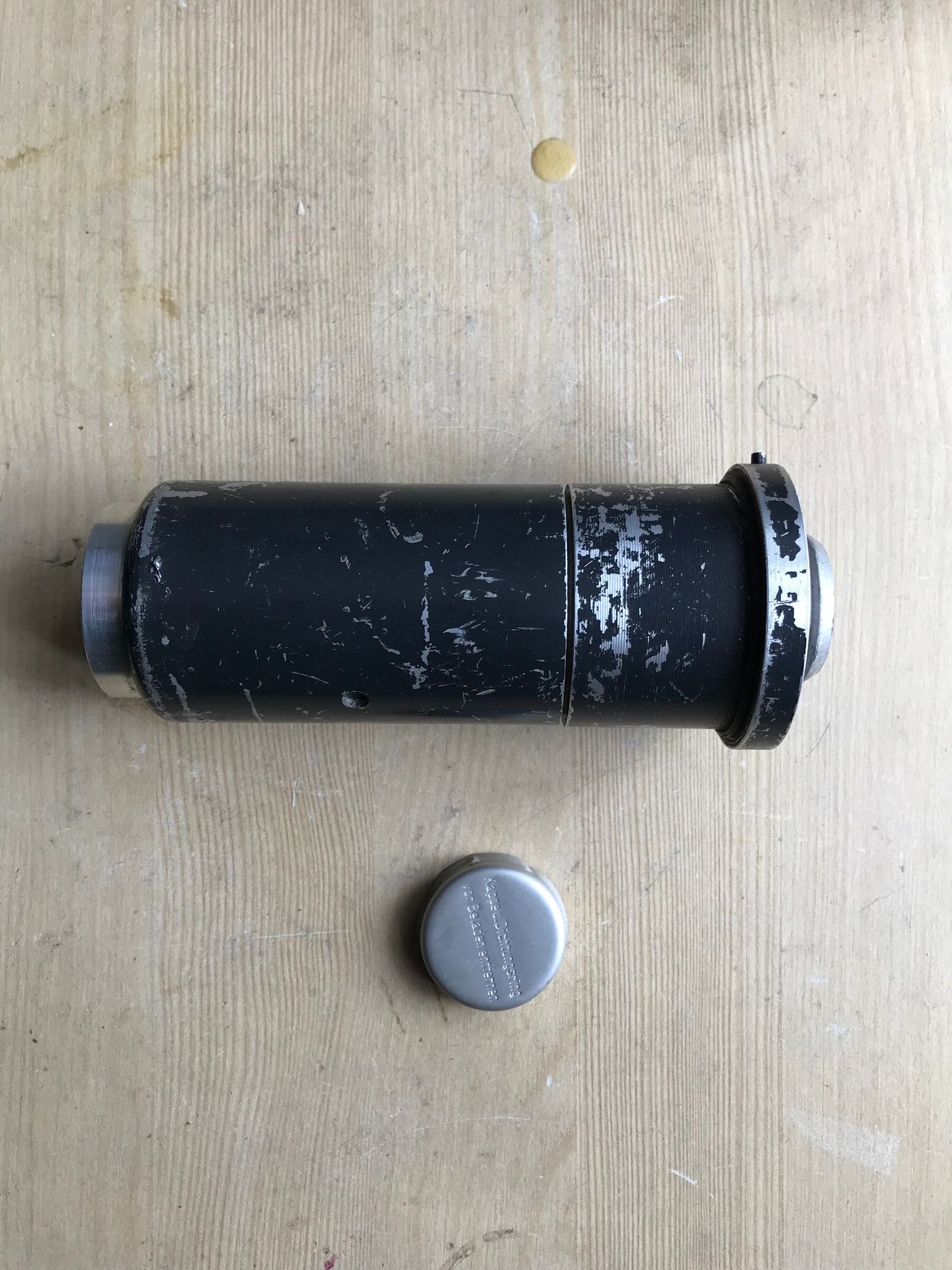
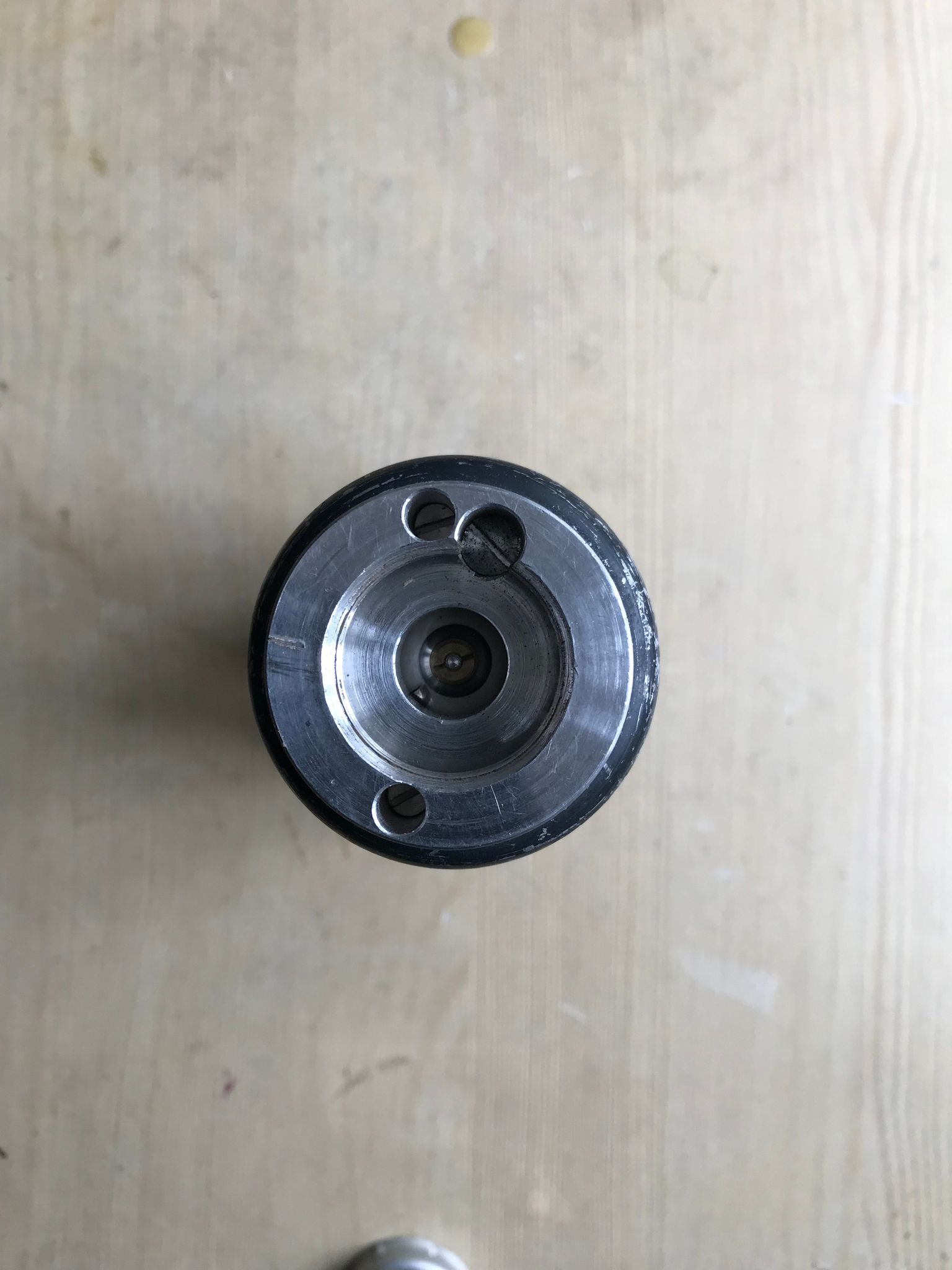
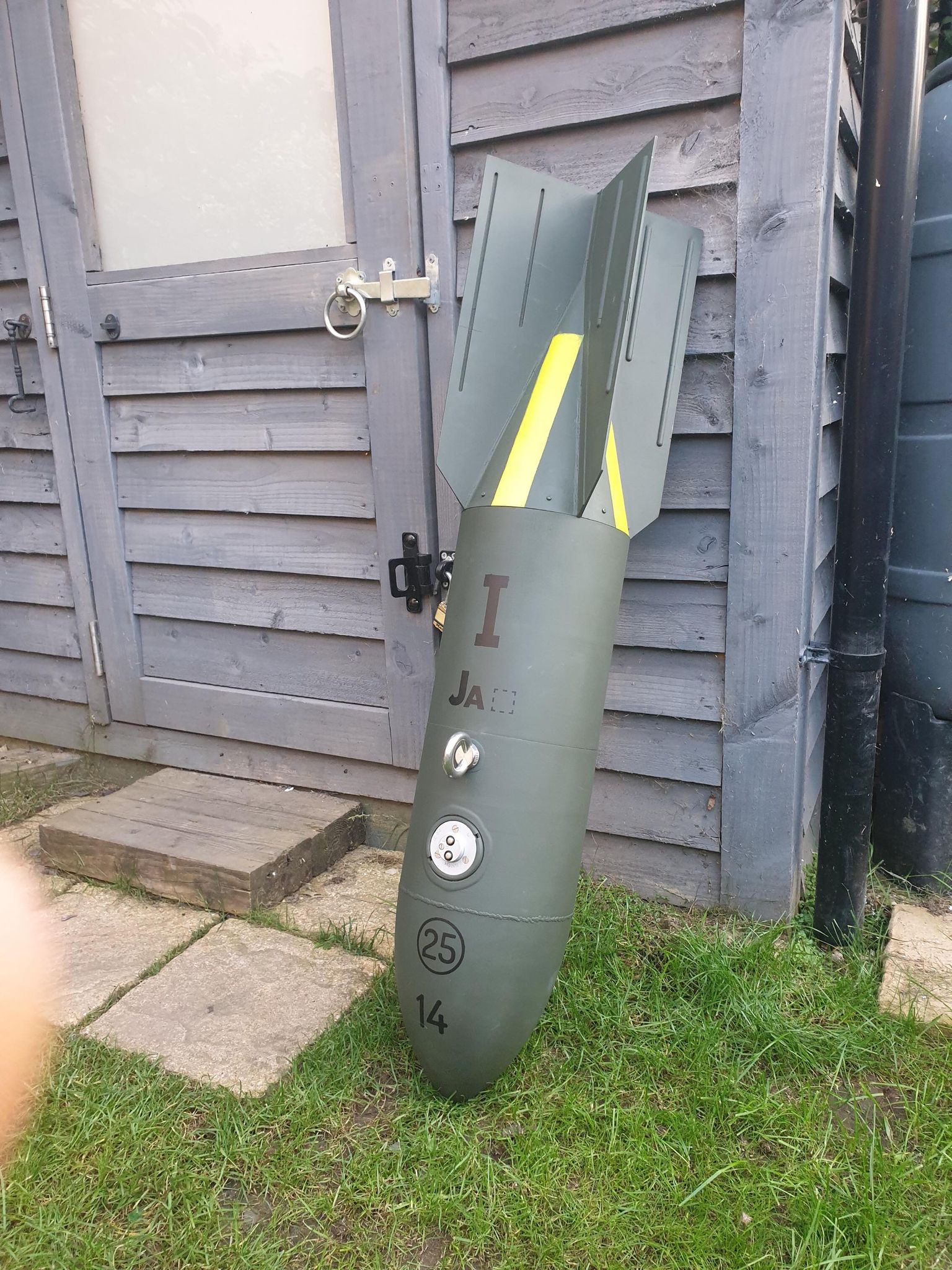
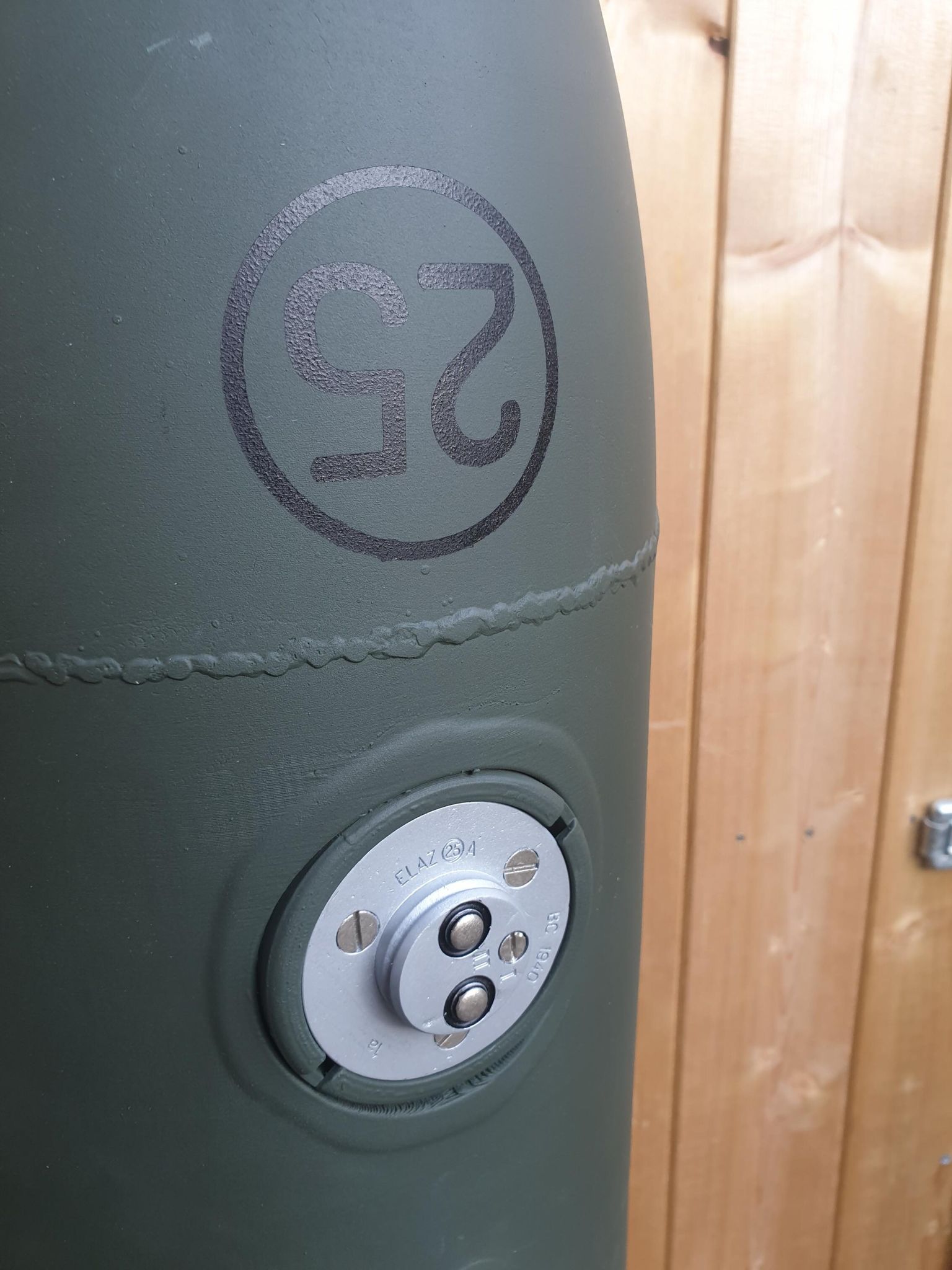
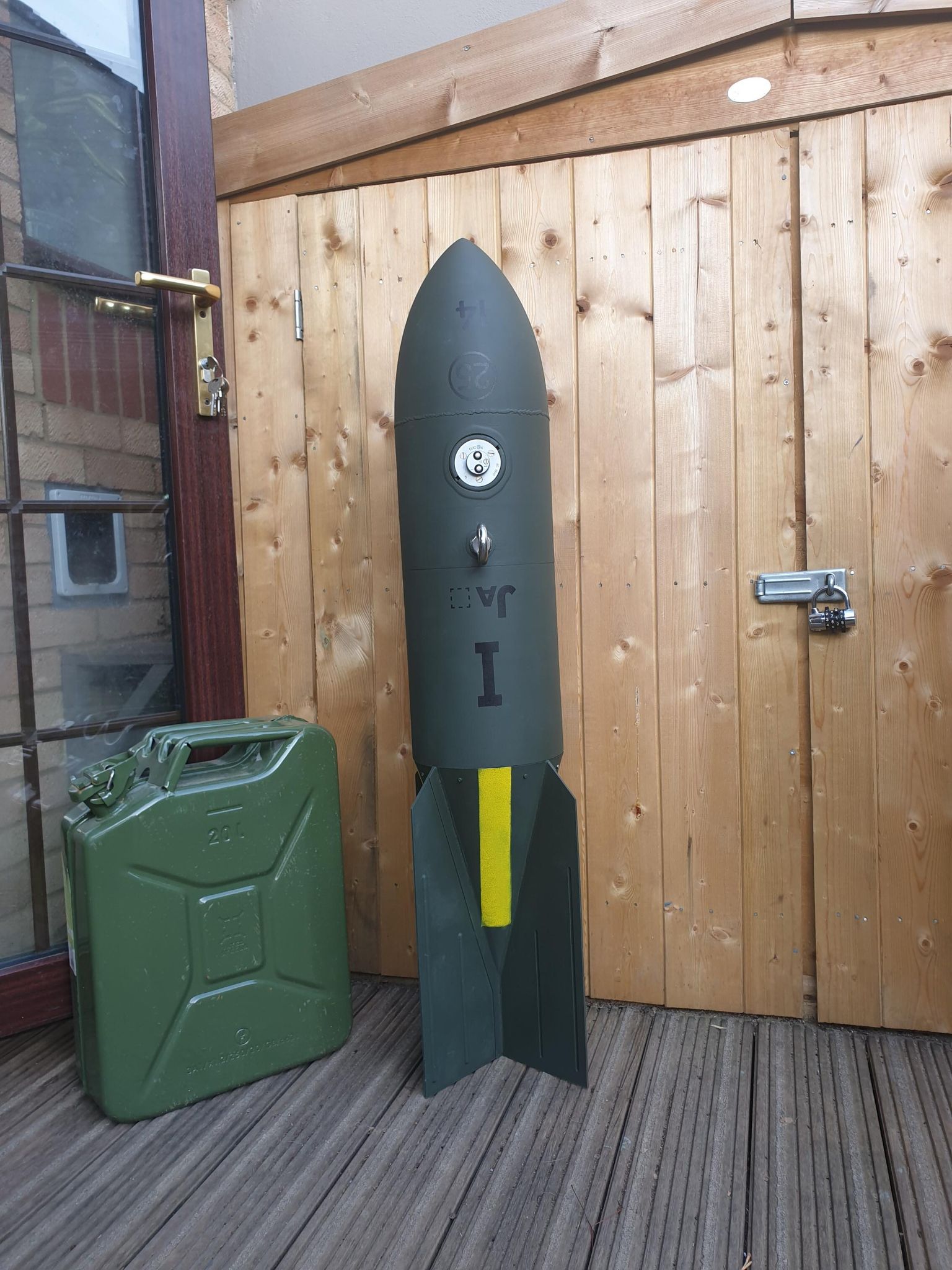
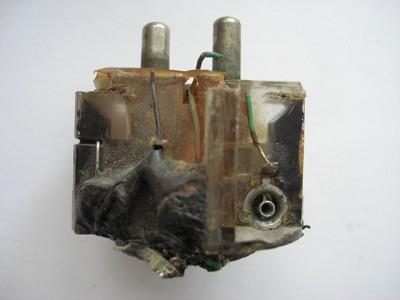
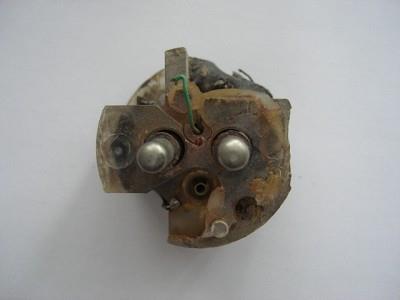
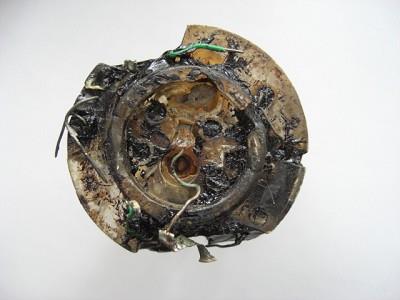
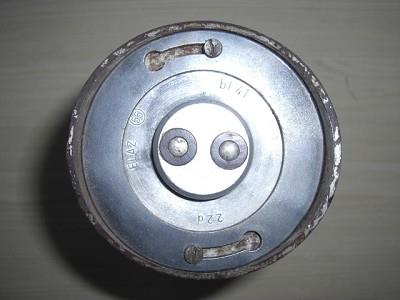
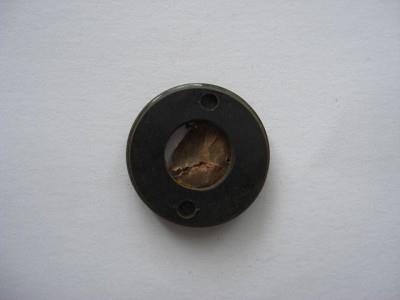
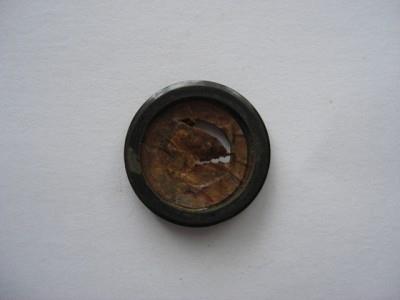
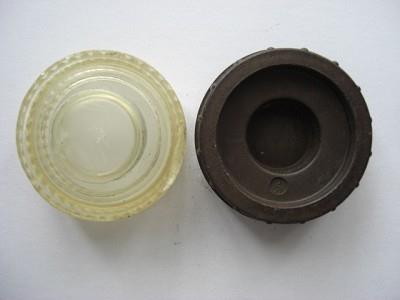
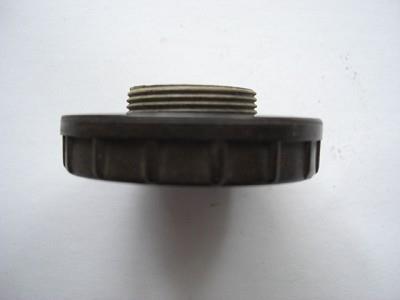
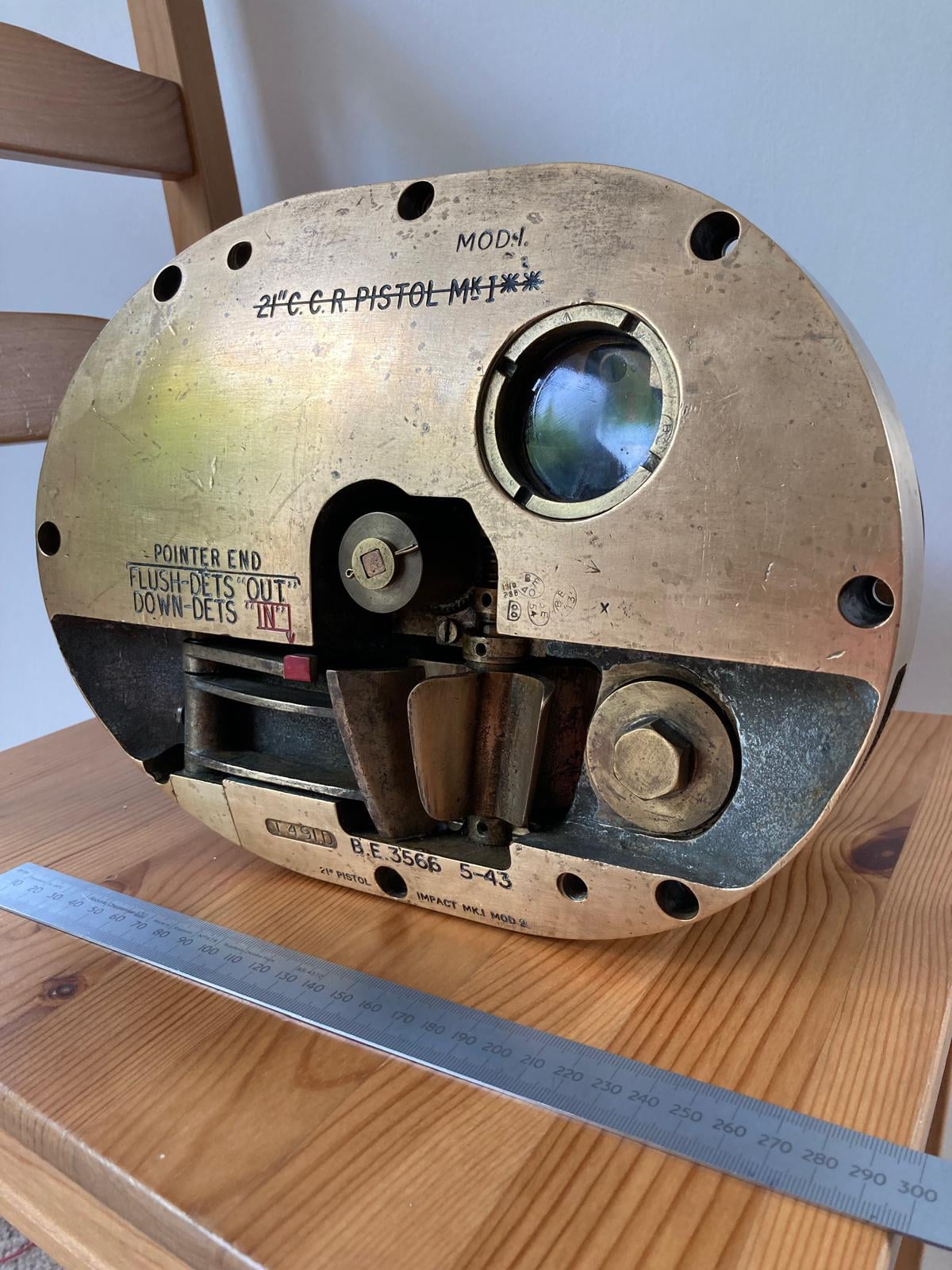
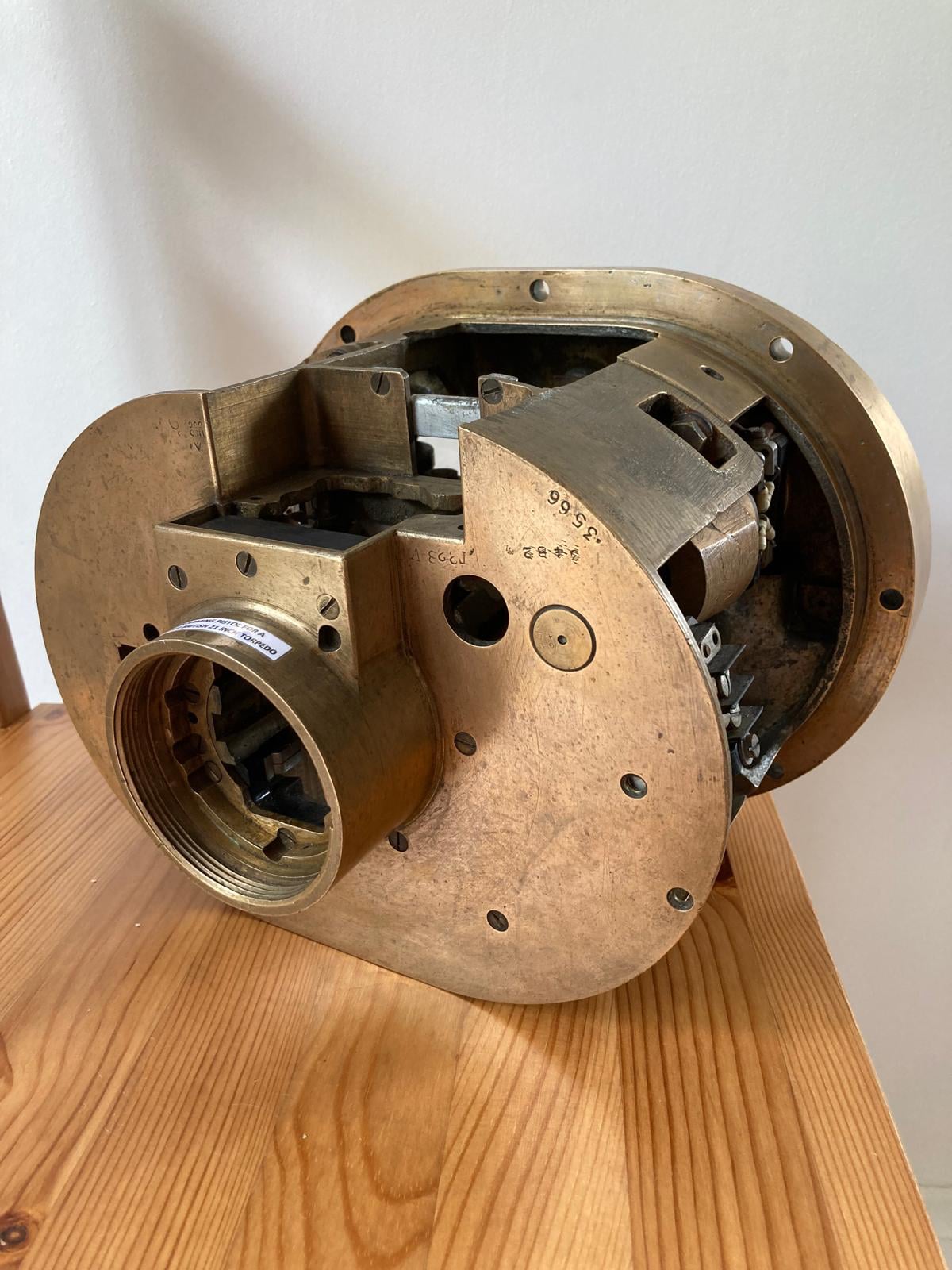
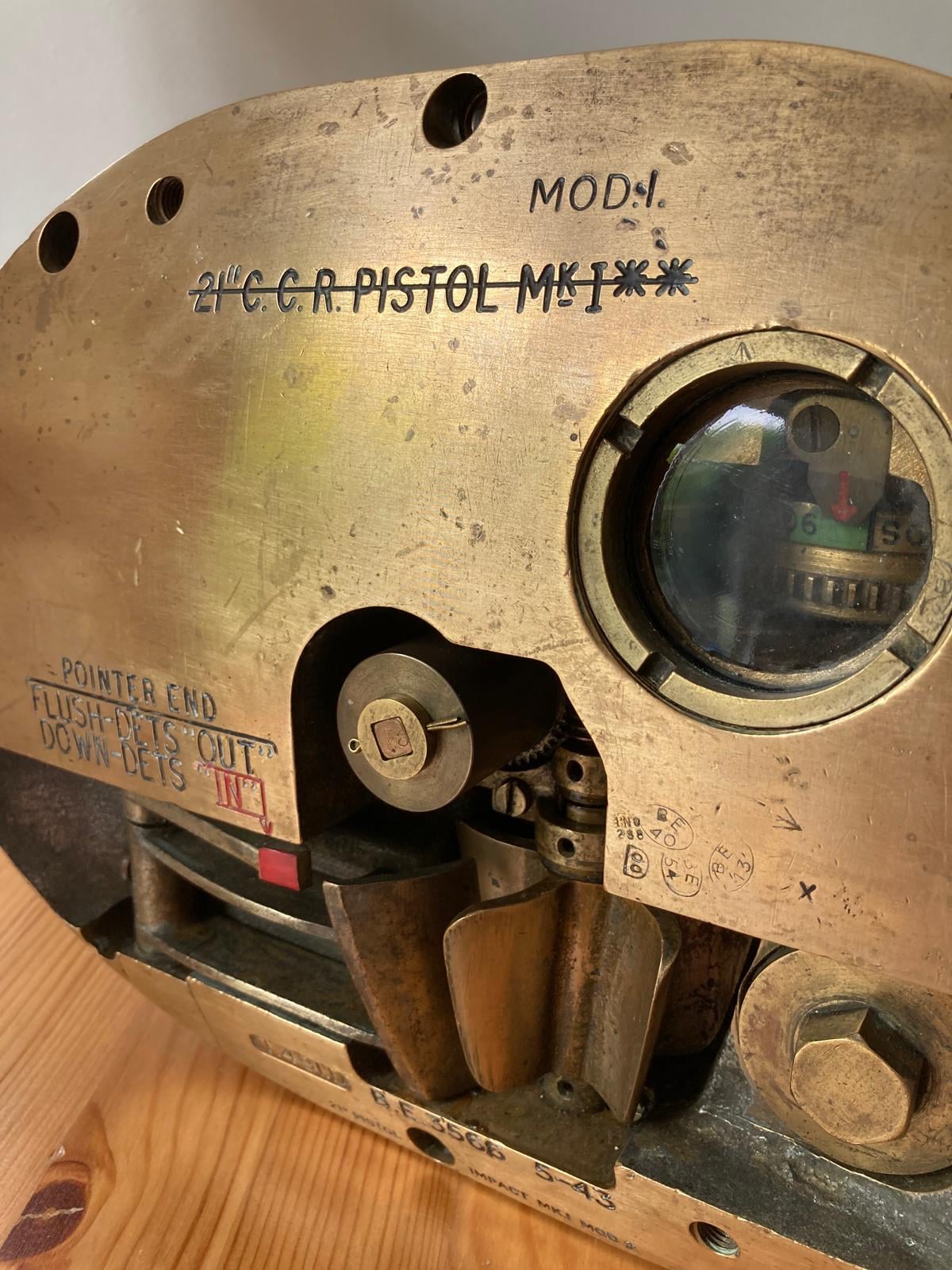
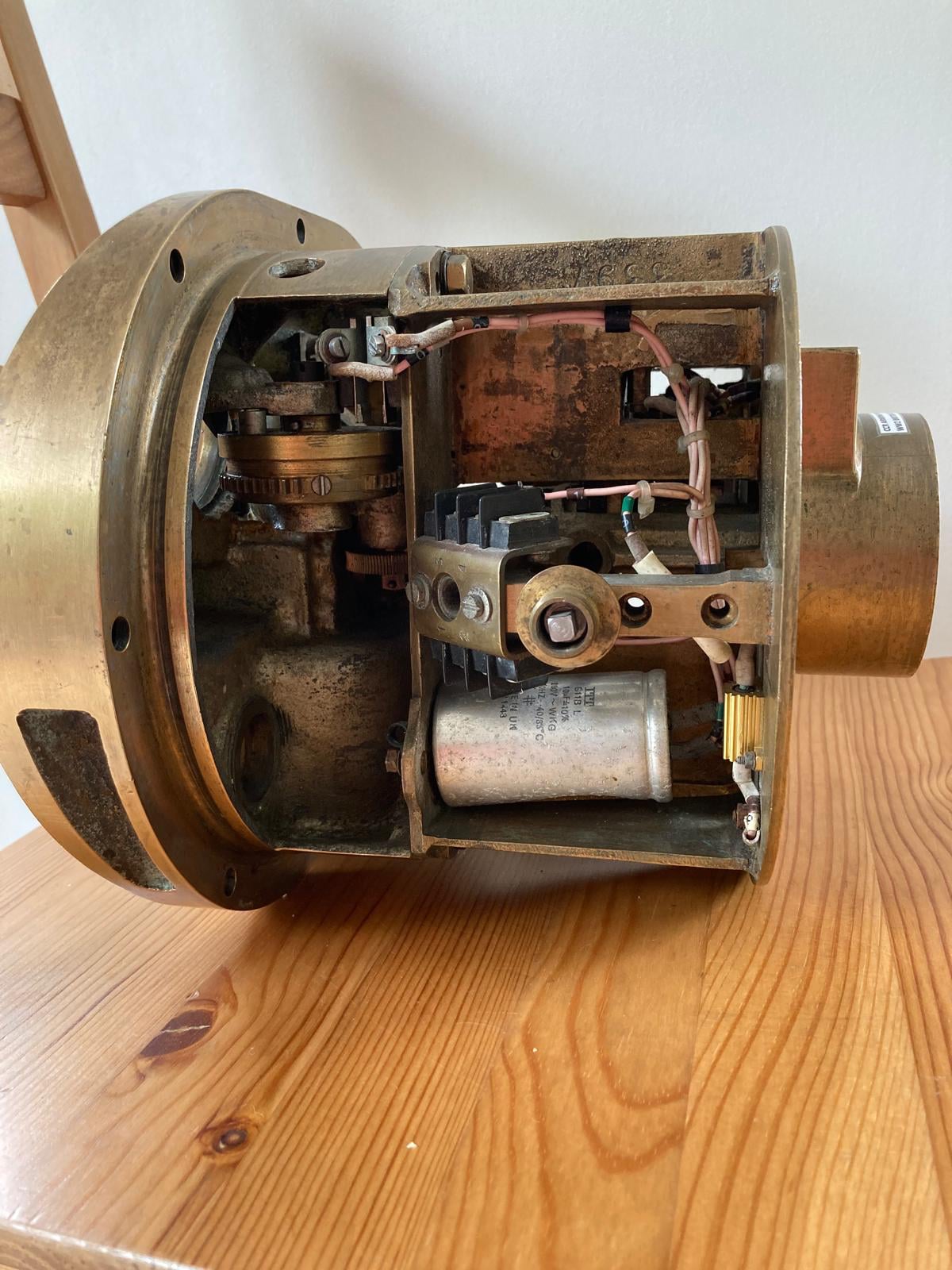
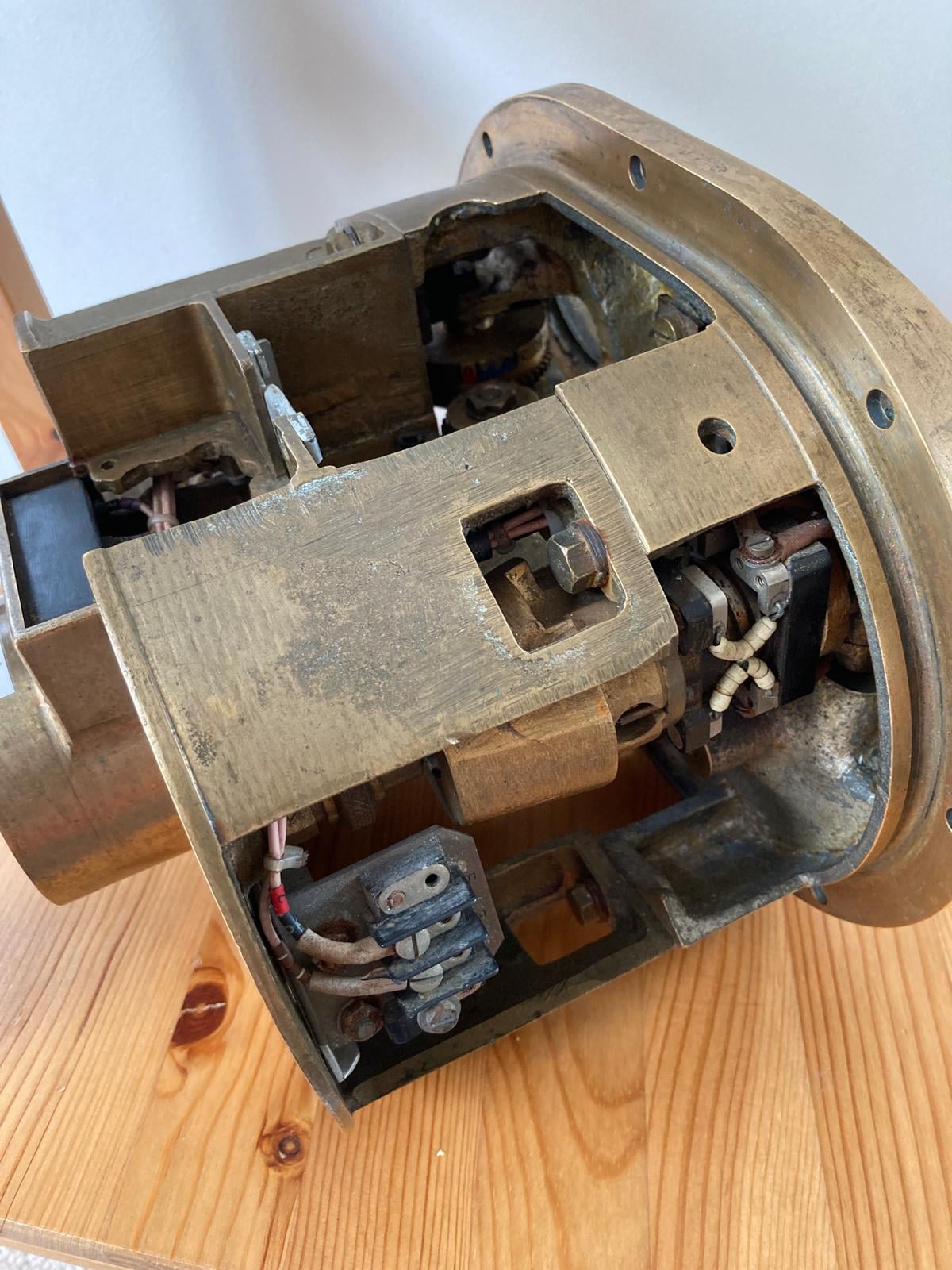
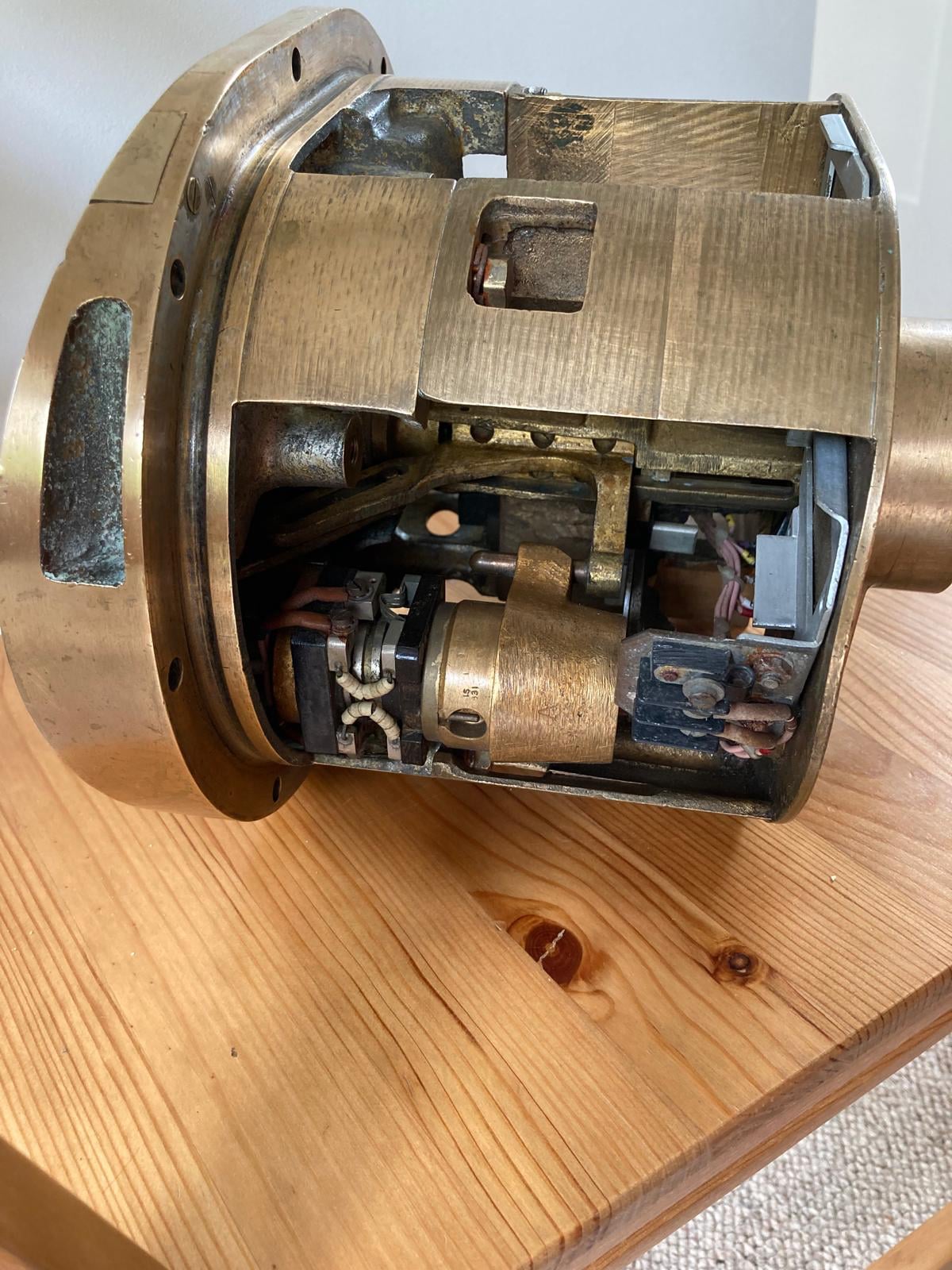
Anti submarine Limbo/Squid. 55 inches long. Quite heavy but can be easily lifted with 2 people into a van or car with the seats down . collection from Meopham Kent
FOR SALE:
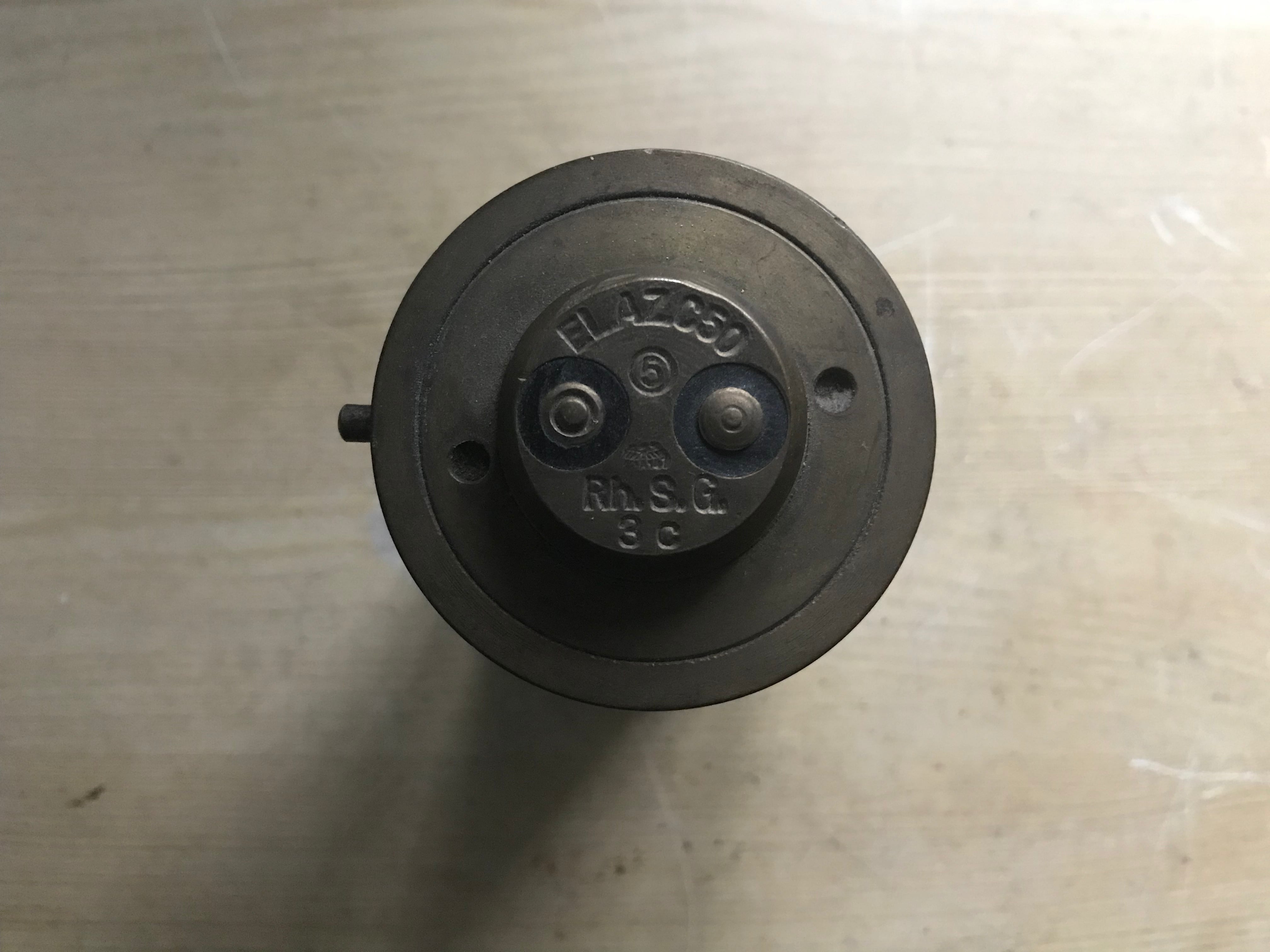
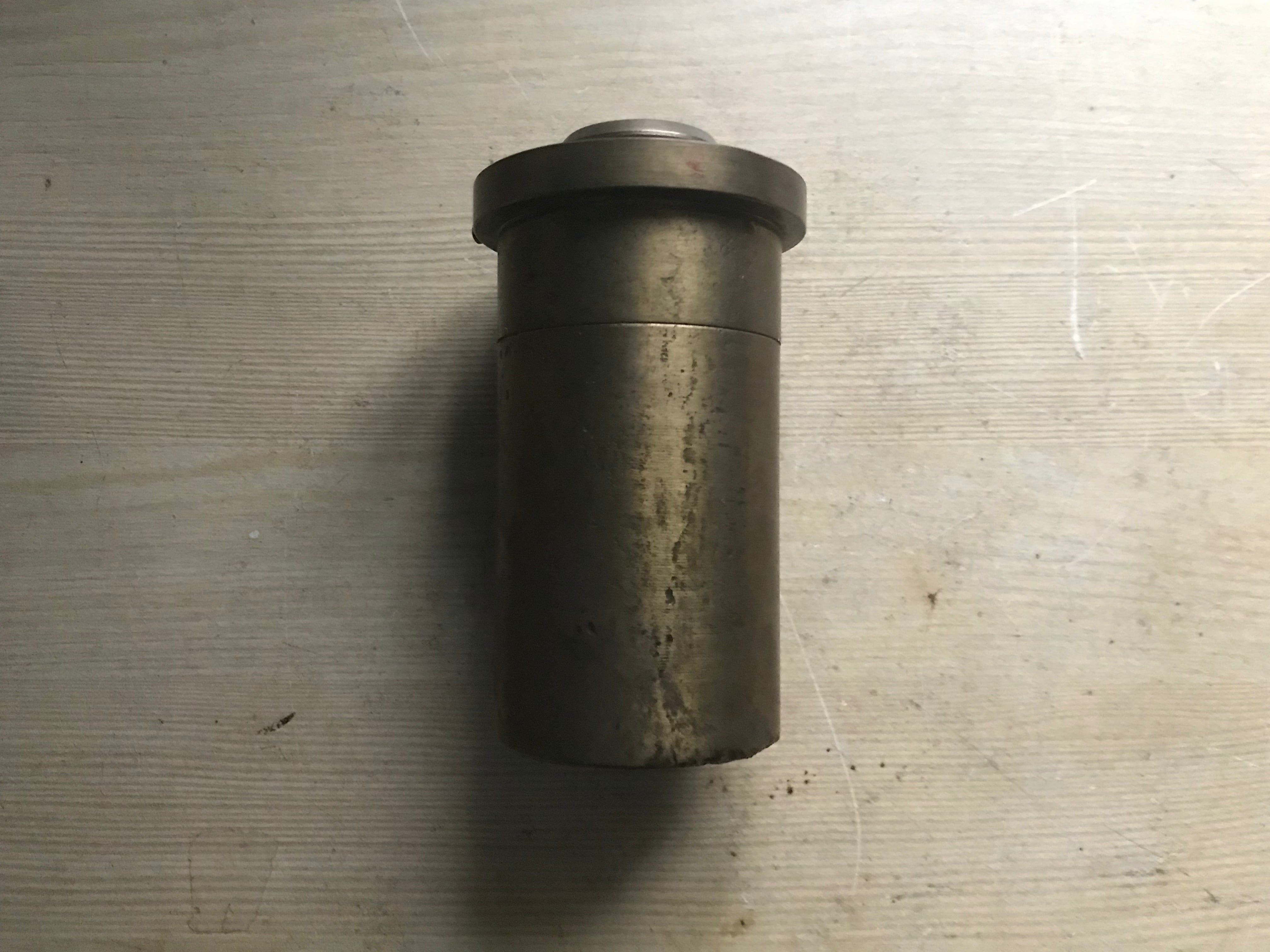
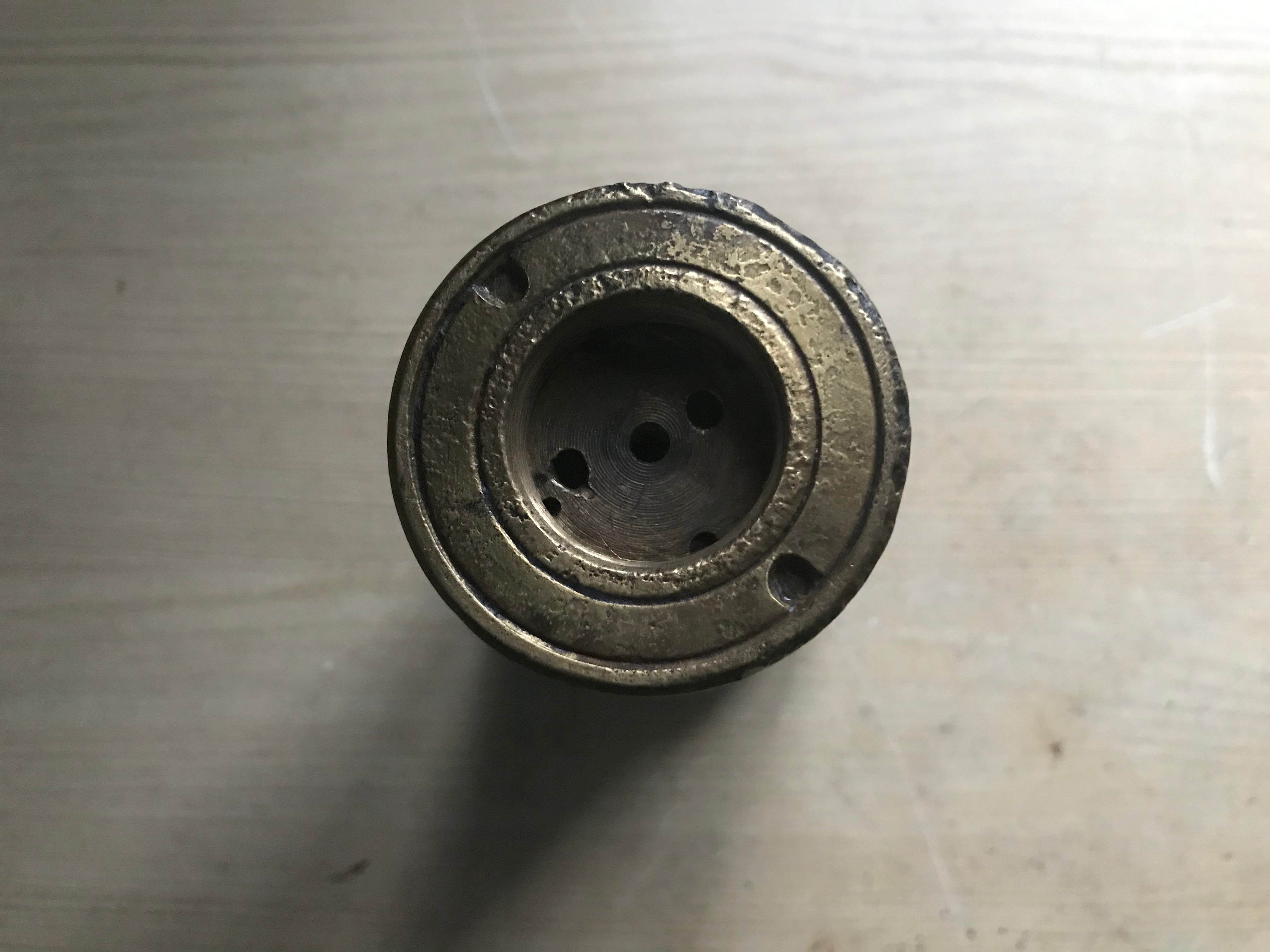
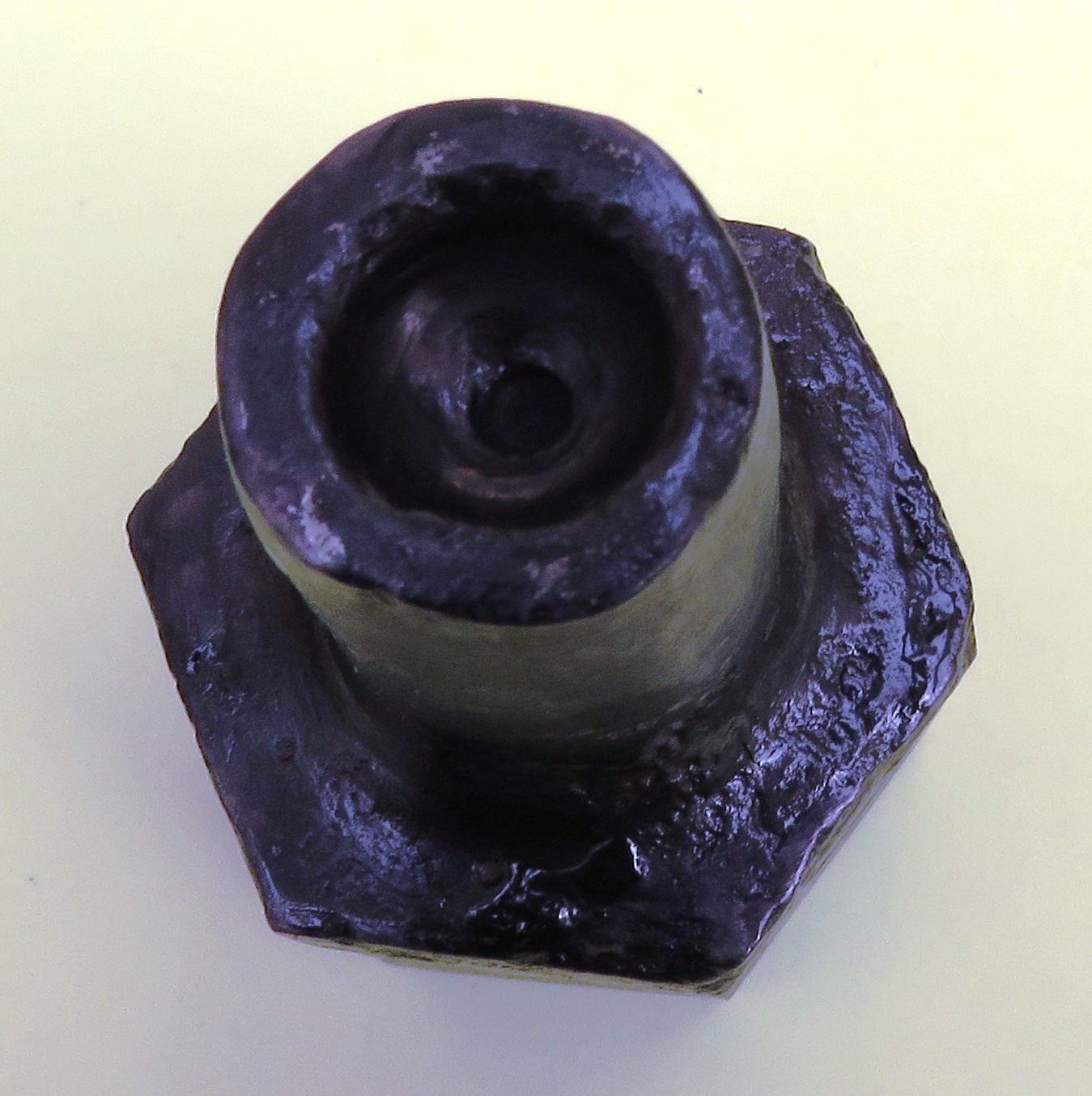
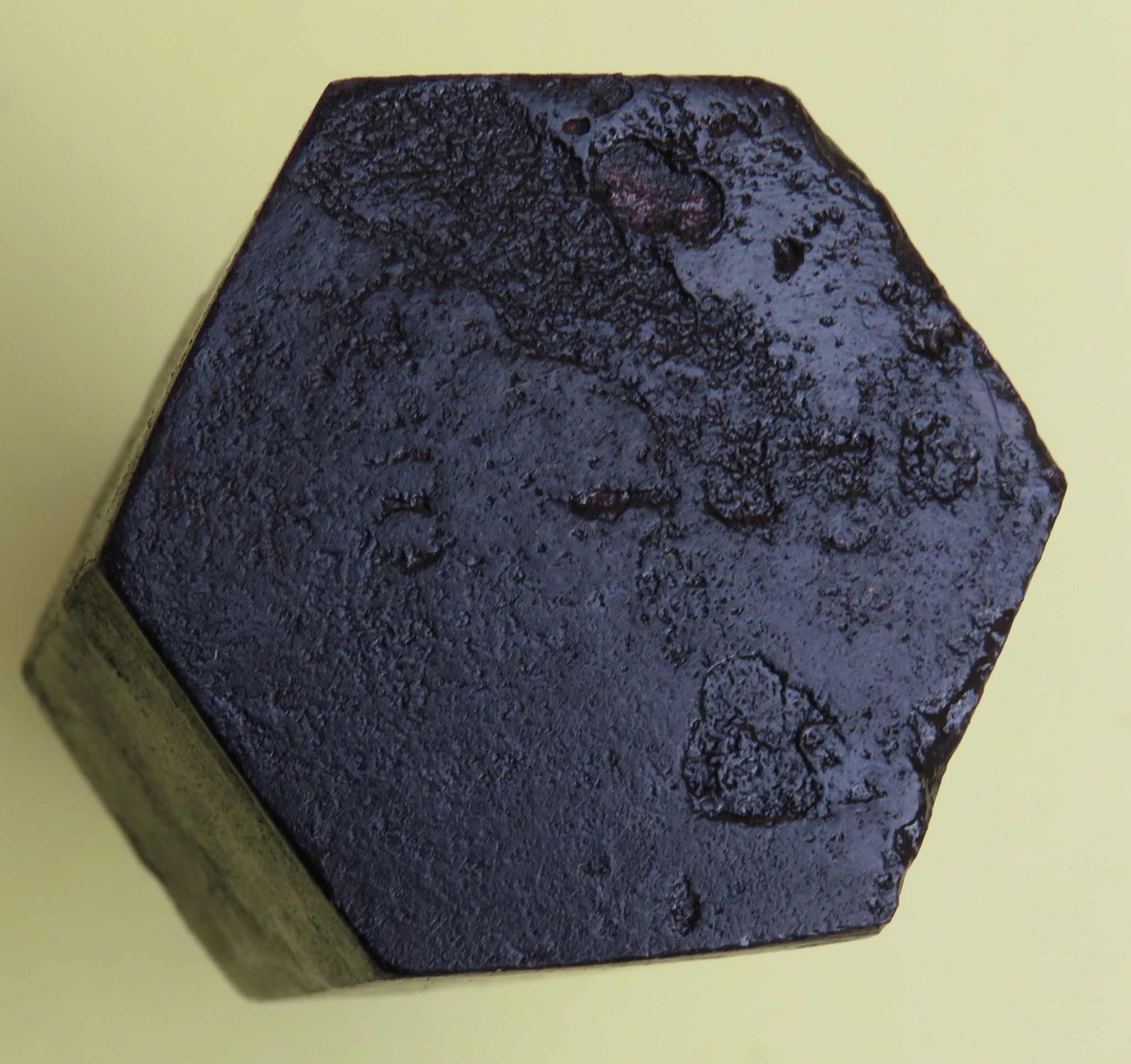
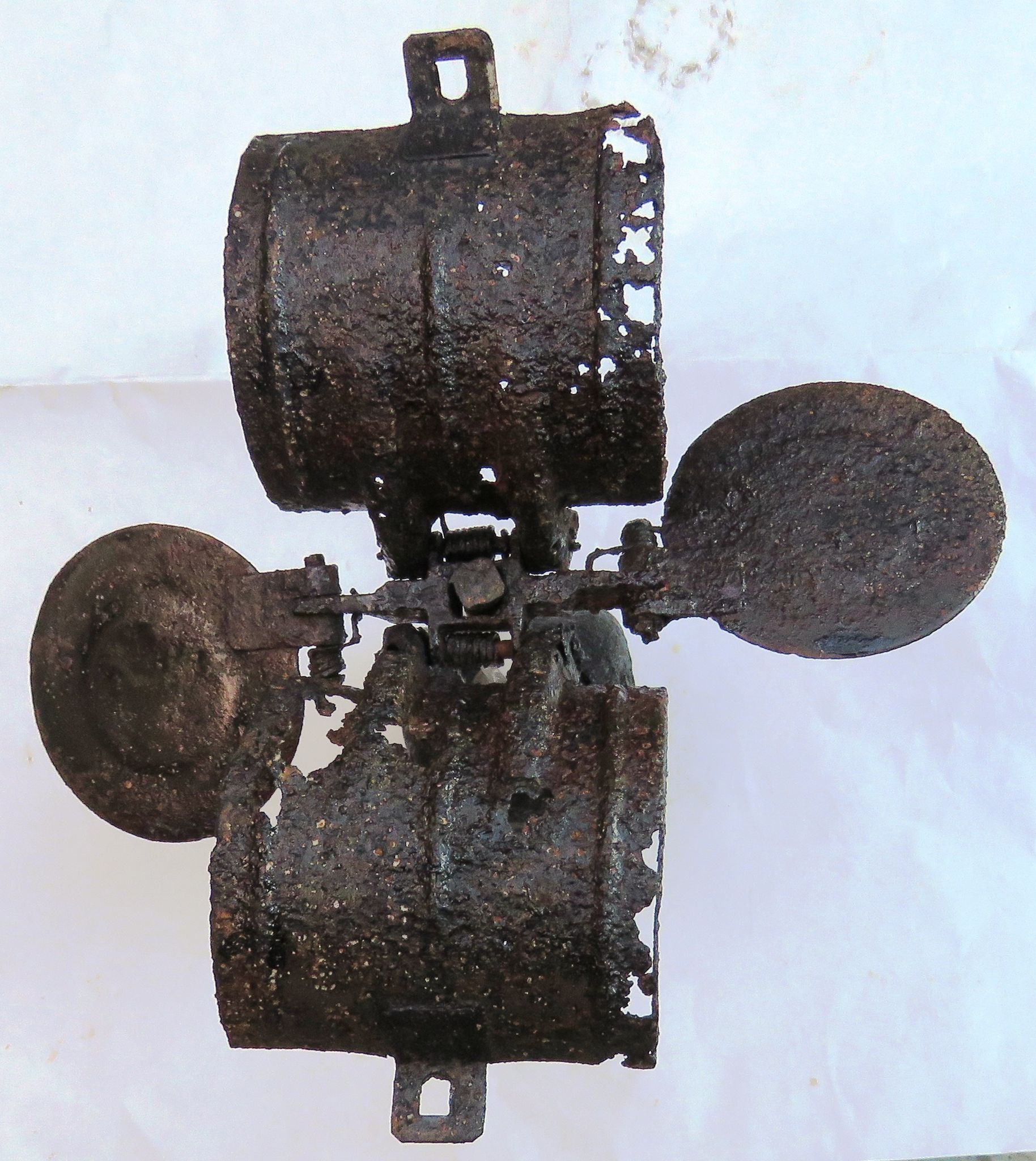
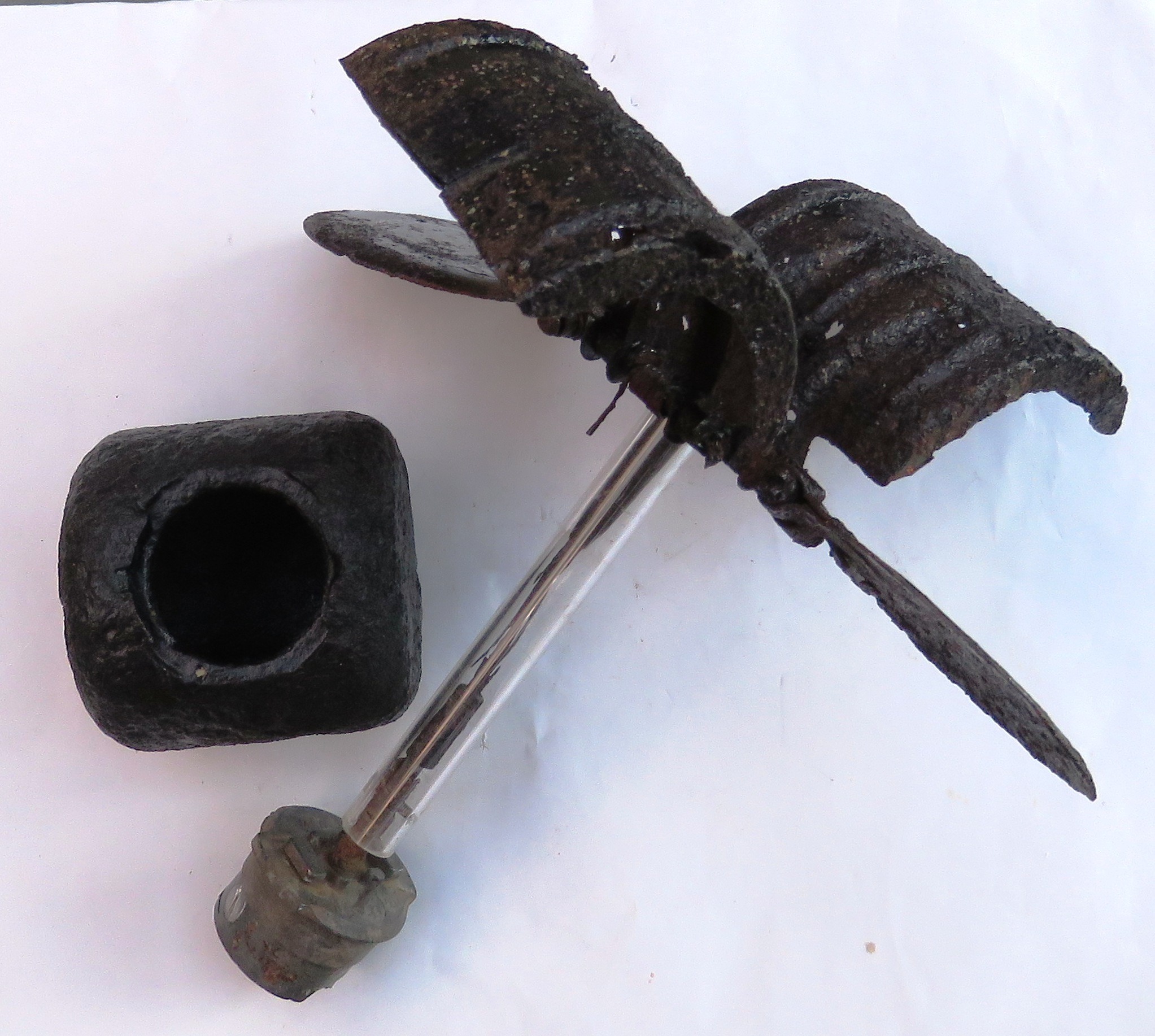
WW2 1943 TORPEDO ARMING PISTOL FUZE HEAVY AT 15 kg £450 plus Shipping contact Rja HERE
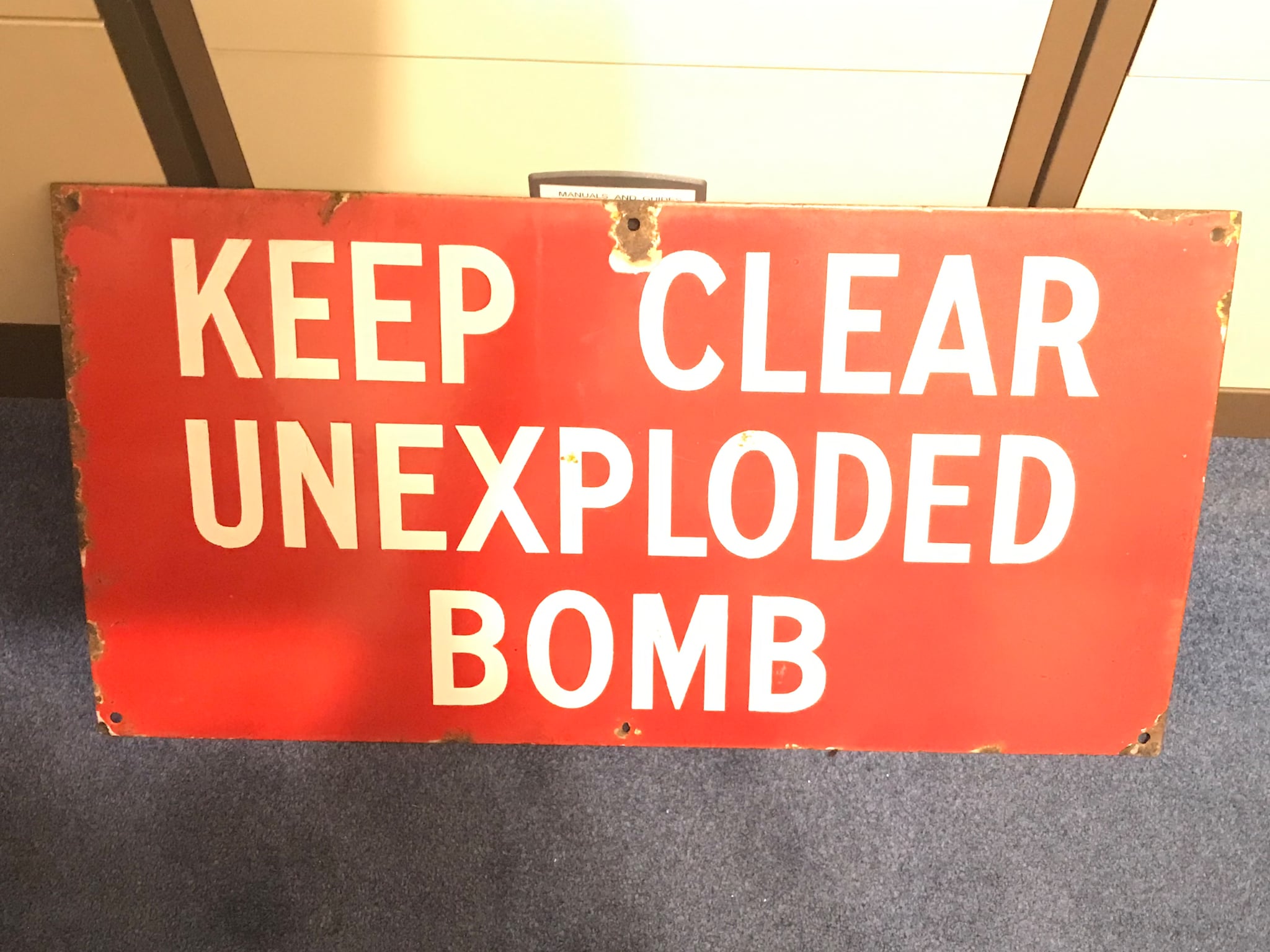
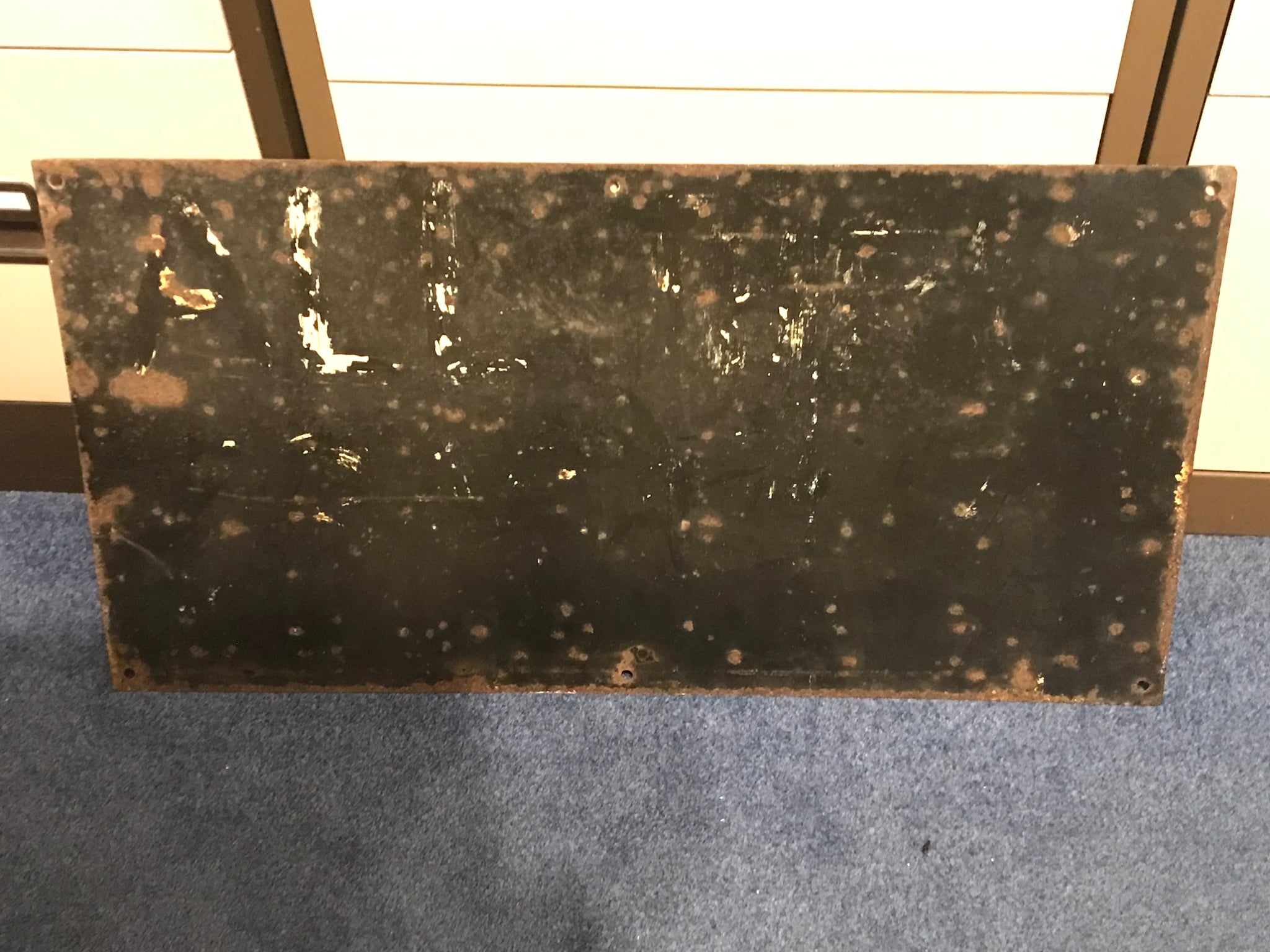
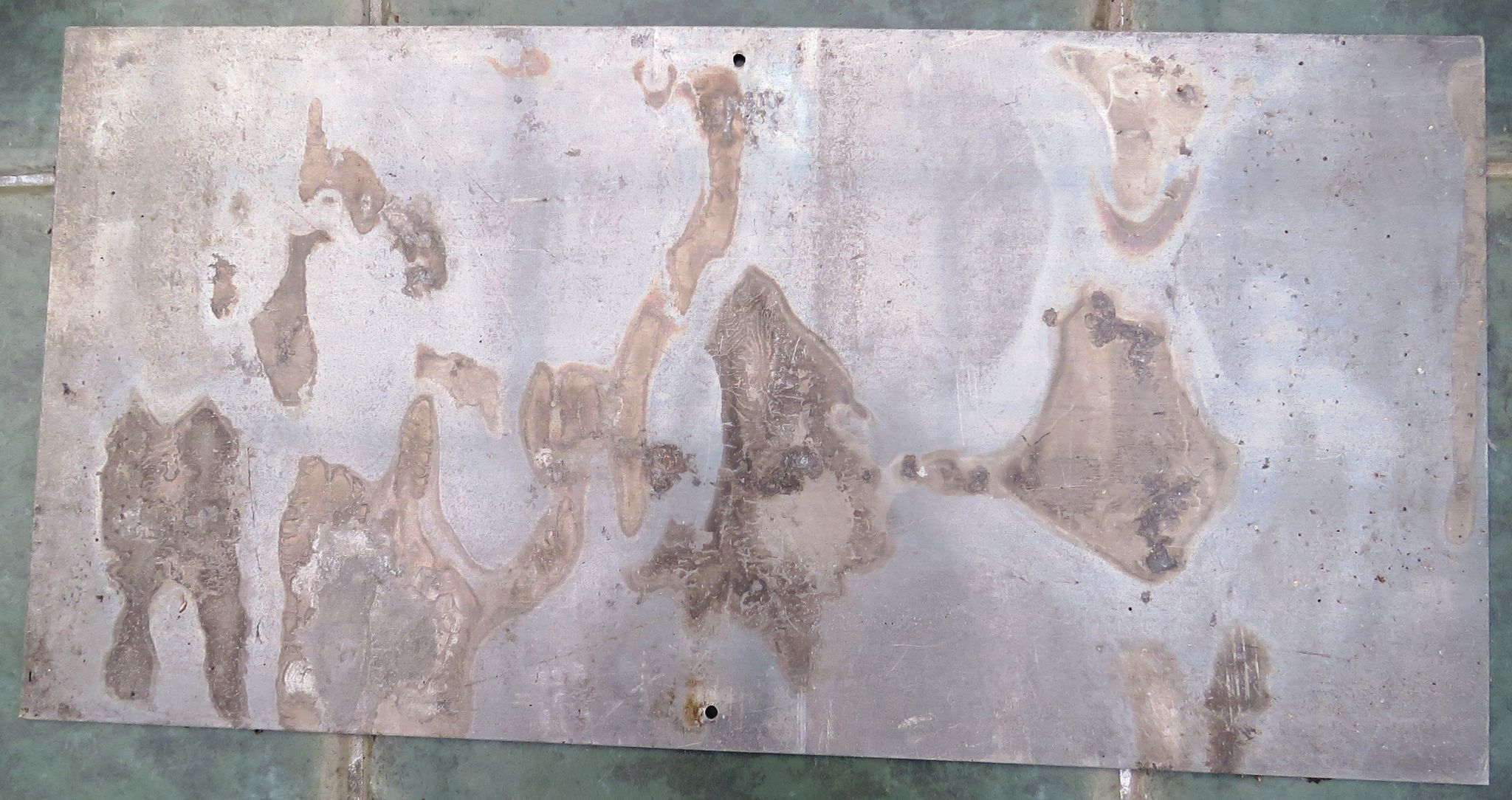
This genuine and rare sign 26" X 14" came from a police station in Kent and as Kent was heavily bombed, this sign will have seen plenty of action. The sign has been used on the film set of the channel 4 documentary 'Danger UXB', 'Call the Midwife' (Xmas special) and in the opening scene of 'Foyles War'. The front has a few areas of rust and wear and tear but considering it's age and action it is in really good condition. On the back you can just about read the words 'All Clear'.
FOR SALE:
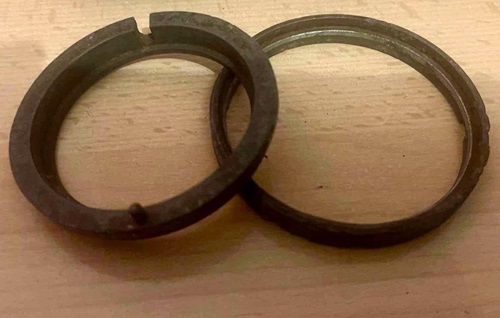
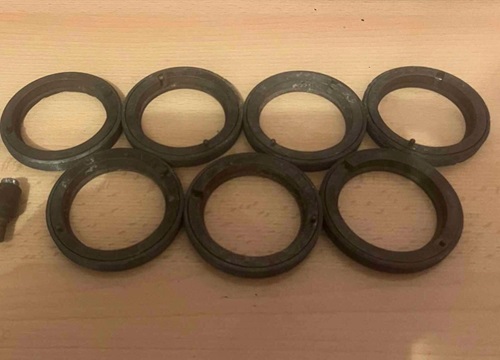
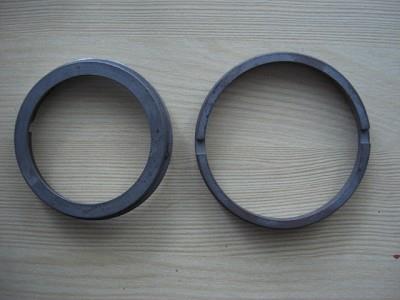
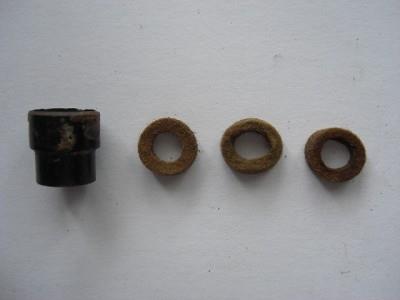
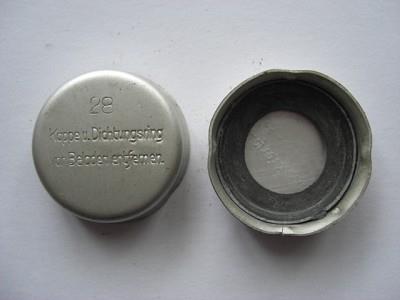
German locking and Locating Rings Price: £80 a set Contact Josh HERE
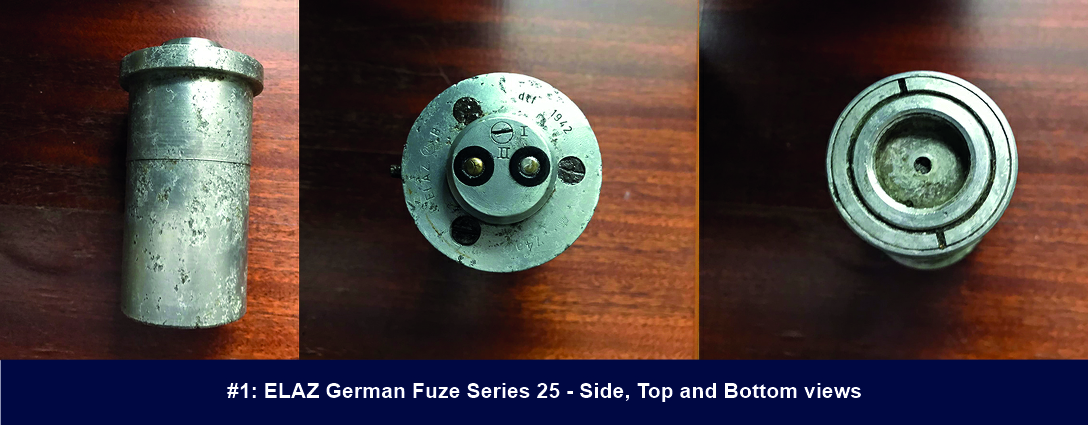
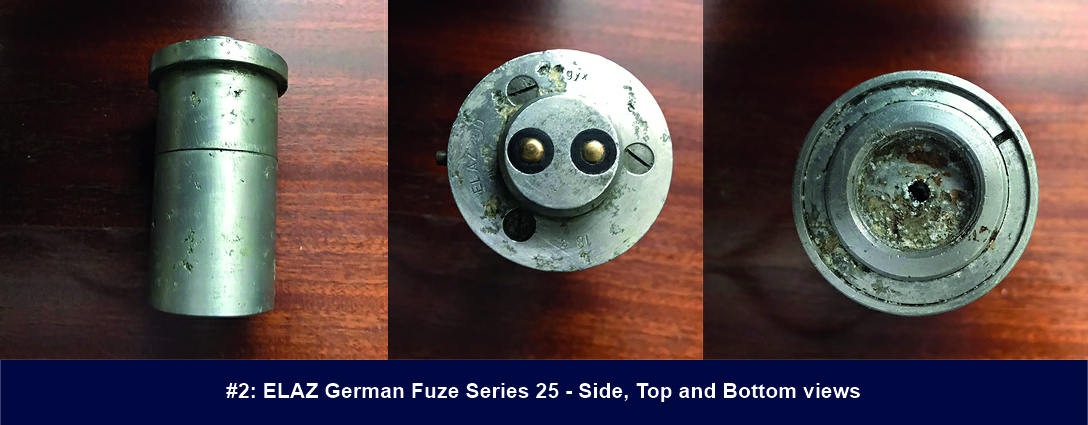
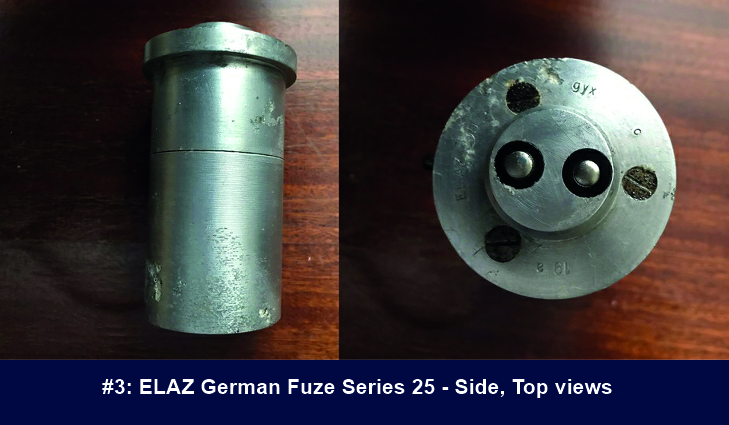
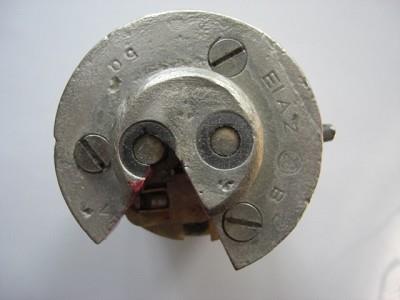
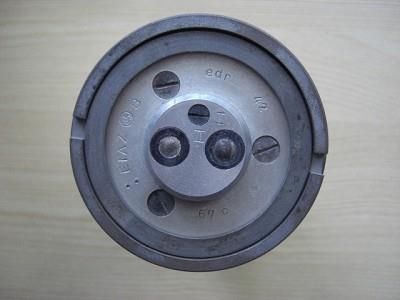
FOR SALE: German ELAZ 25 series fuzes Price £80 Each + P+P UK sales only Contact Stephen HERE
FOR SALE:
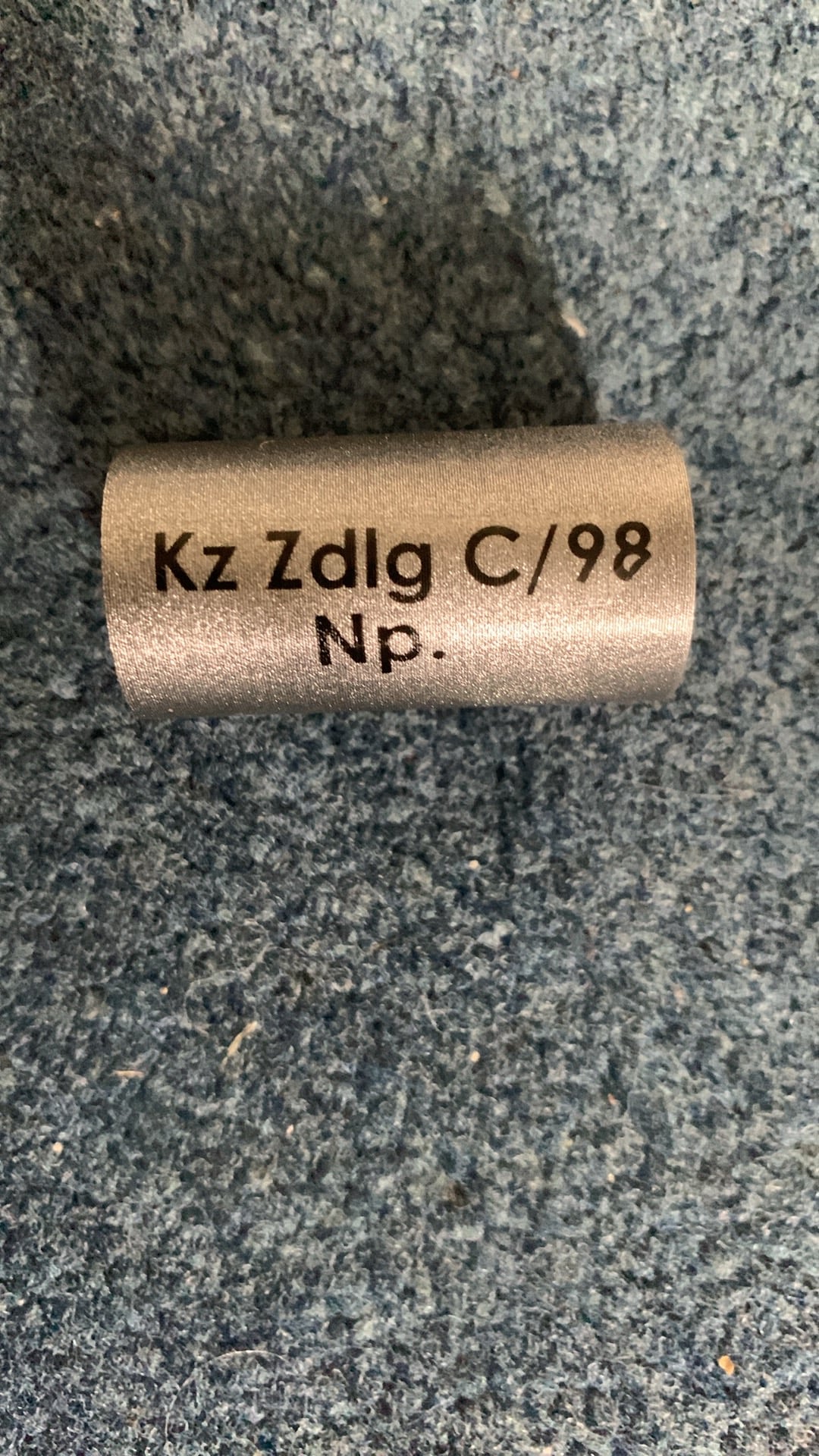
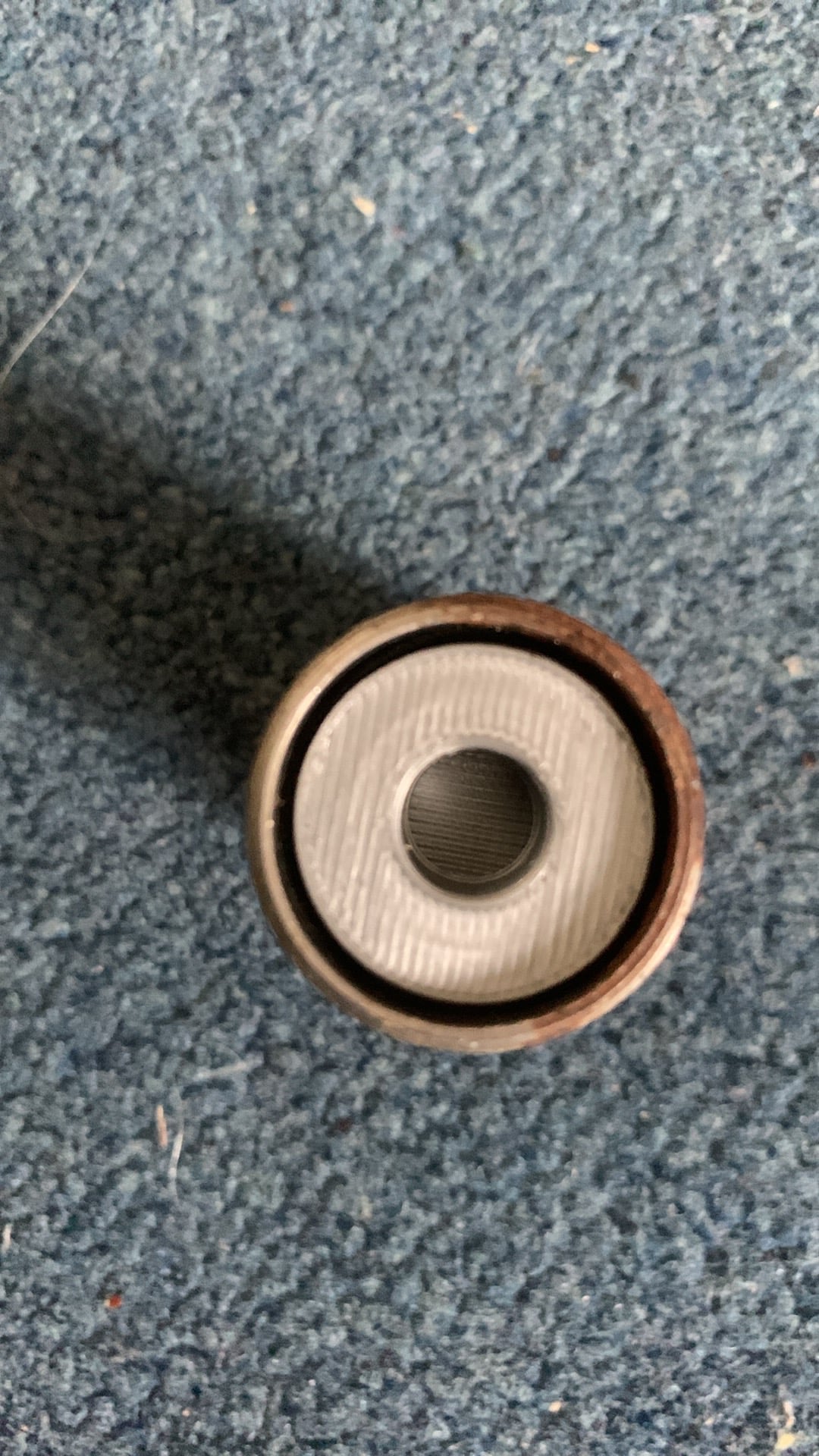
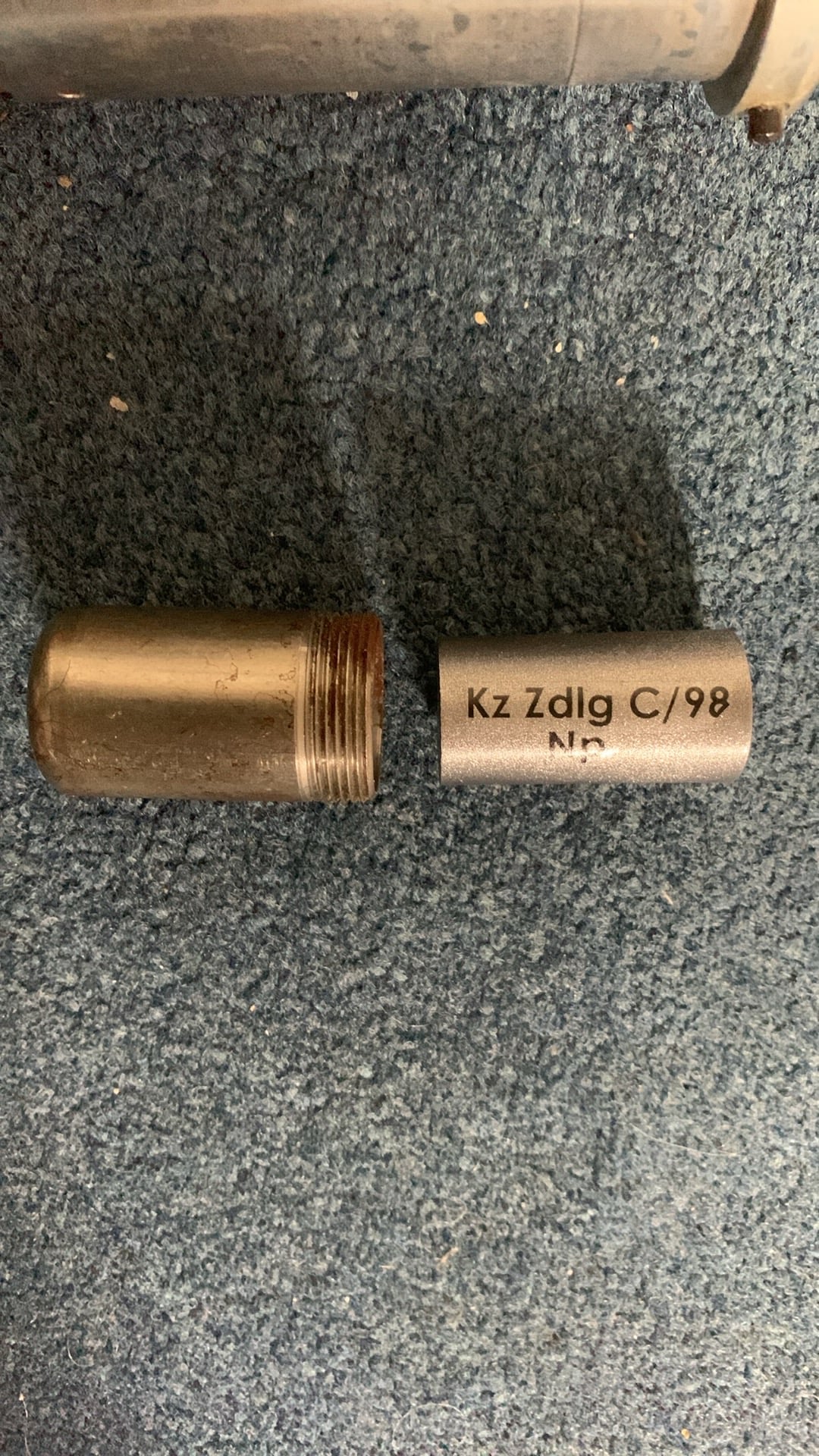
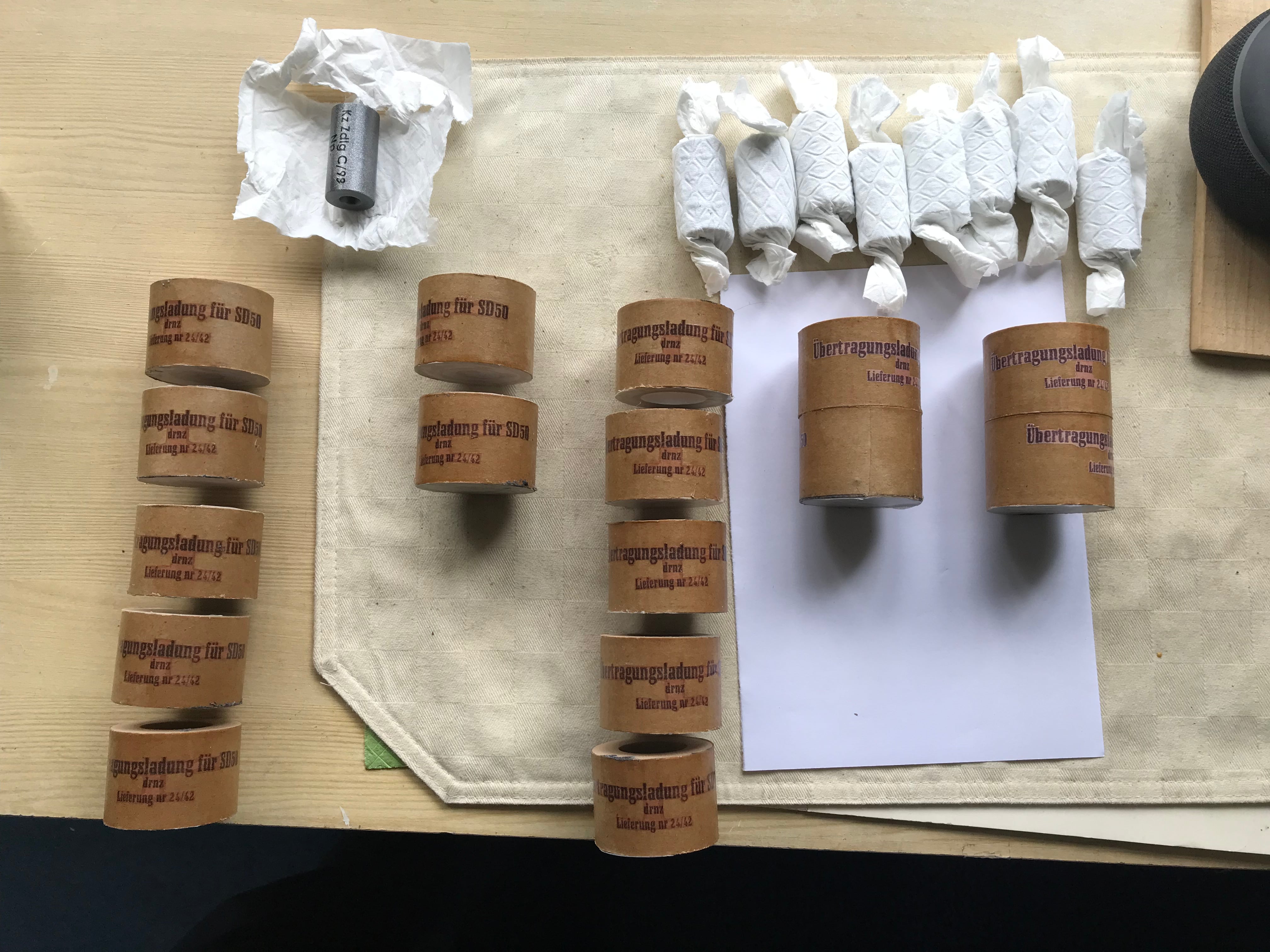
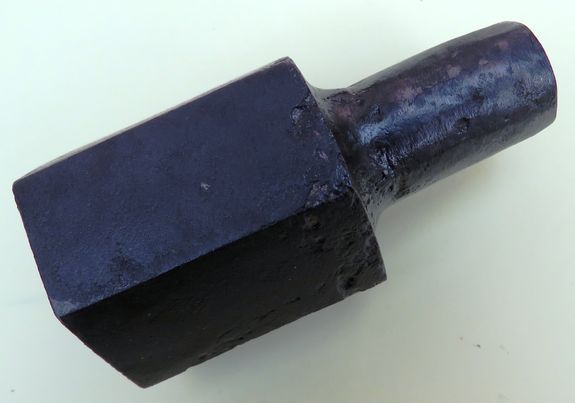
German fuze booster blocks .The ideal addition to your fuzes are these 3D blocks that go over the gaine and in the fuze pockets limited number available.
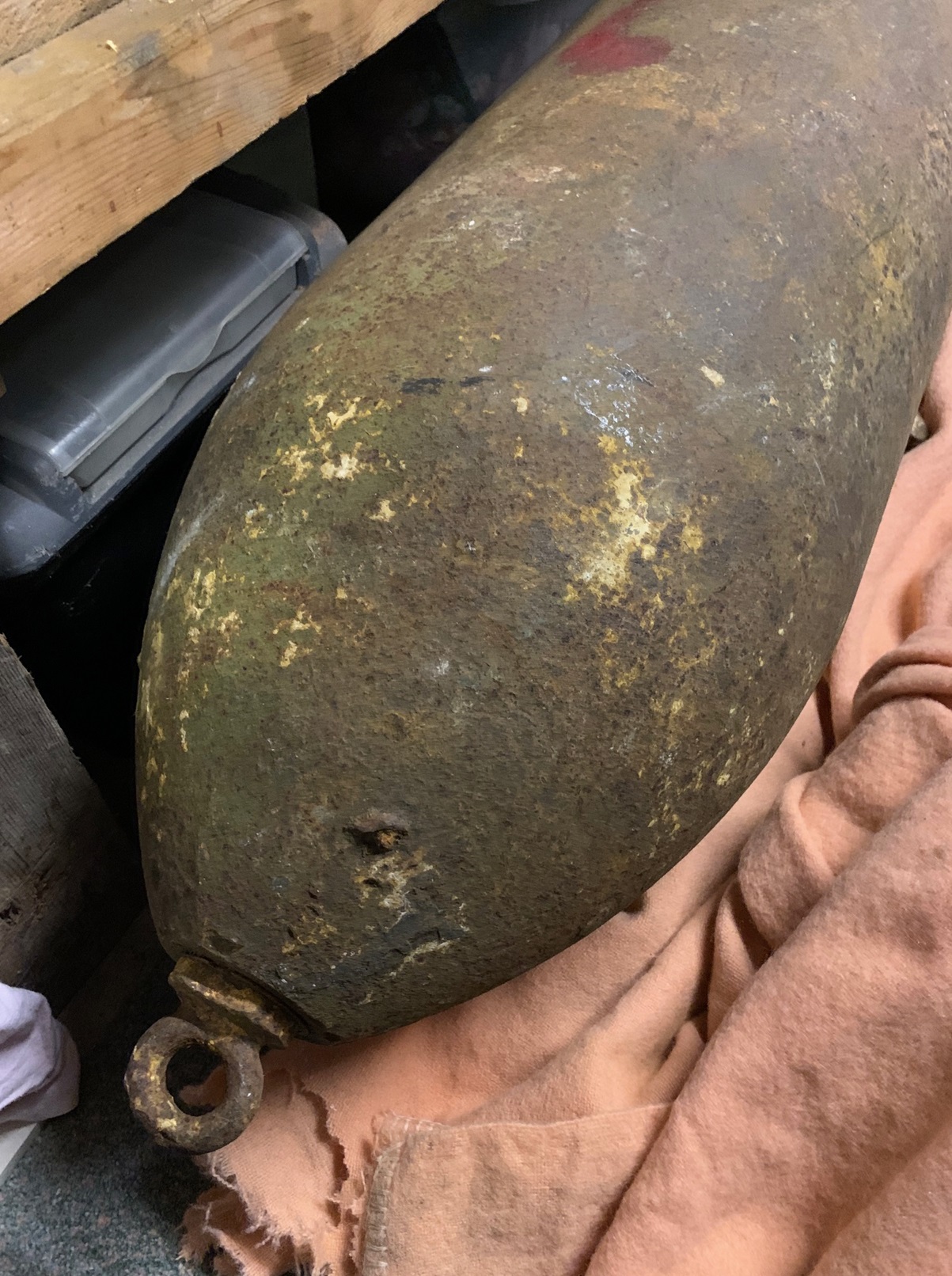
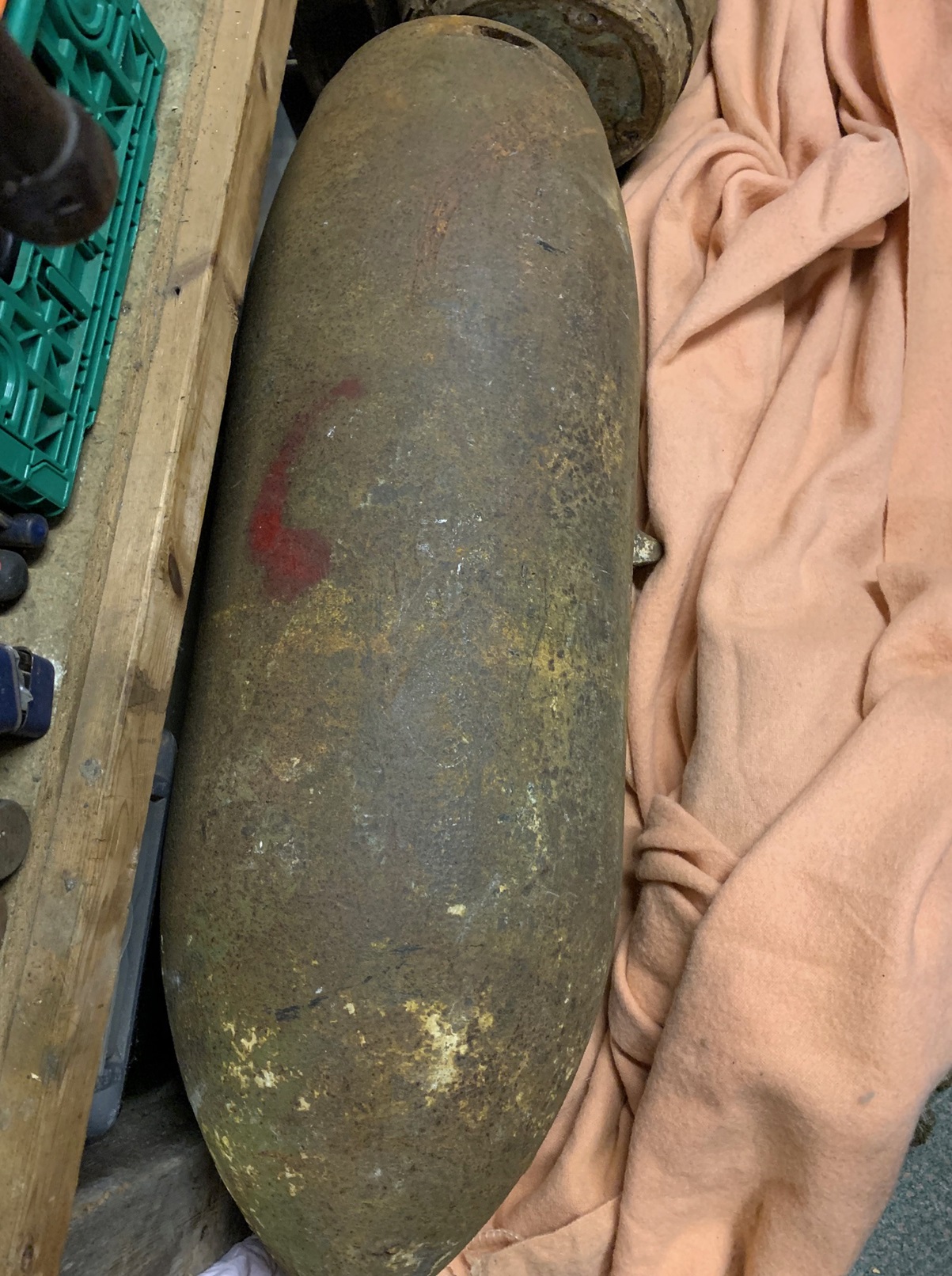
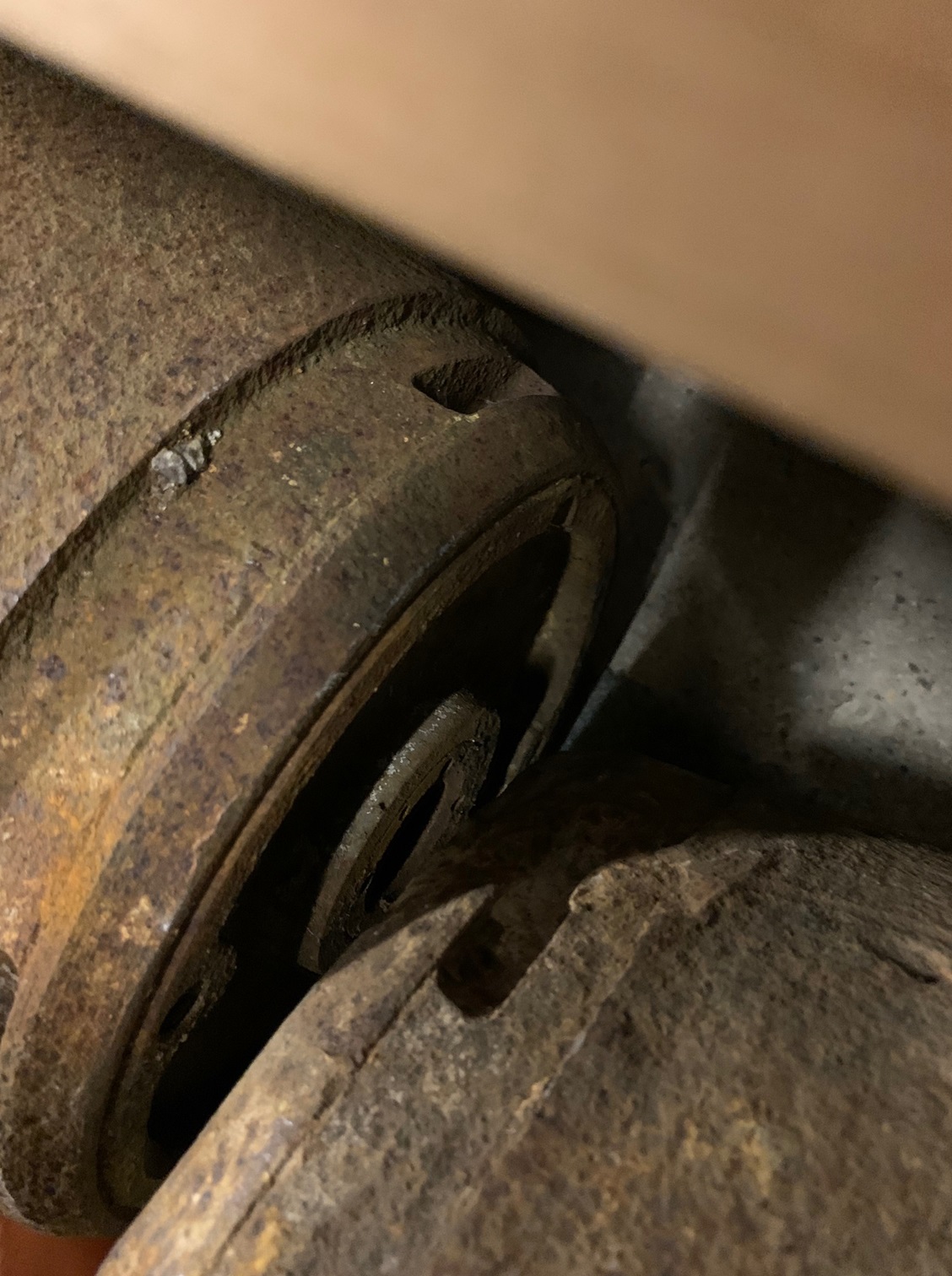
British 500 Lb bombs filled with Resin As you can see from the pictures these will restore very nicely Price: - Christmas Special Offer (Offers for the pair considered)
Resin Filled 1
Resin Filled 2
Resin Filled 3
Resin Filled 4
SOLD
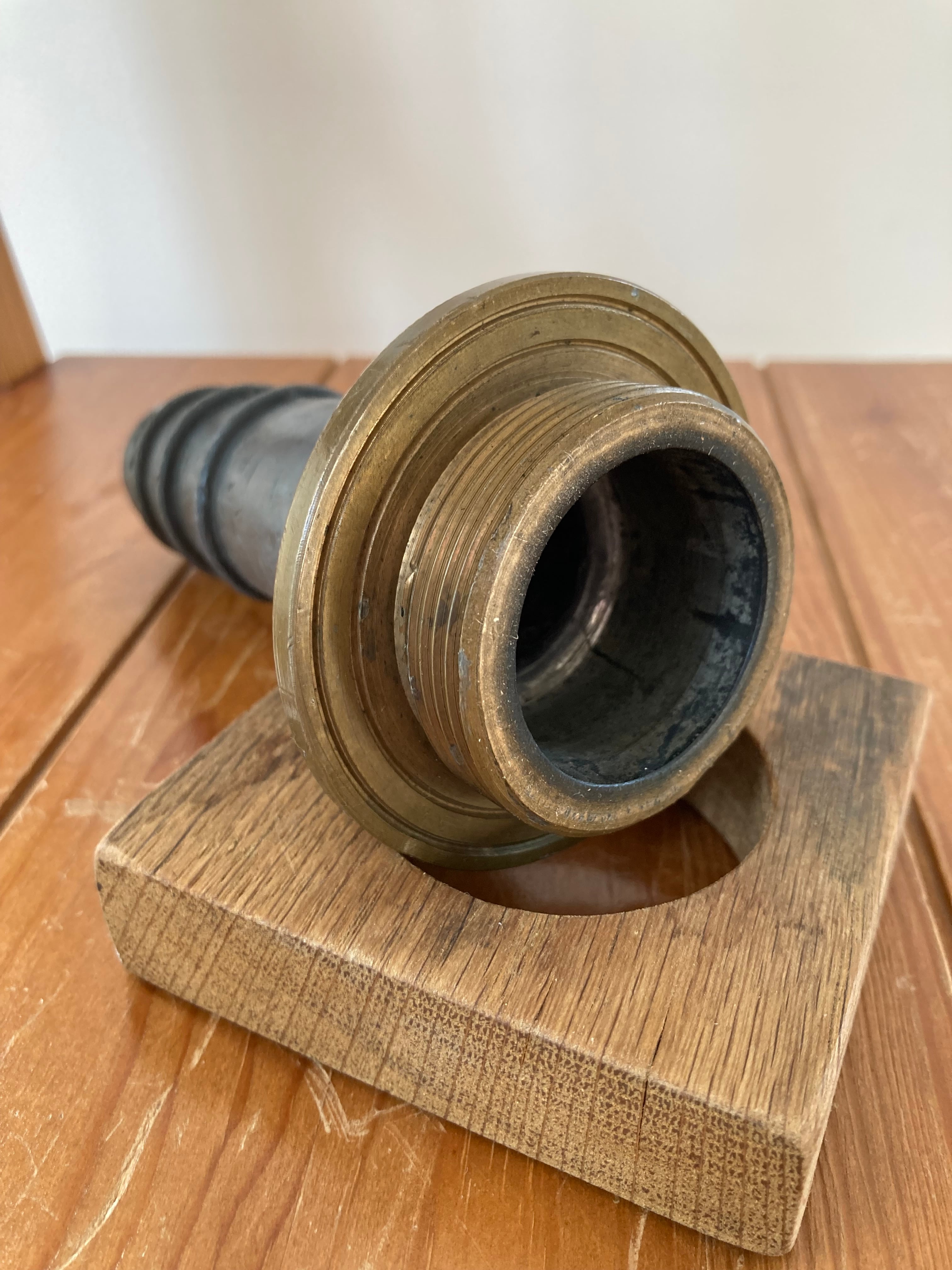
Early German brass bomb fuze (5) The final one that came from a German EOD man in the early 1990's. As you can see it’s virtually mint condition and is an early batch number. Price £650 ono + p&p . Sorry UK only Stephen HERE
SOLD
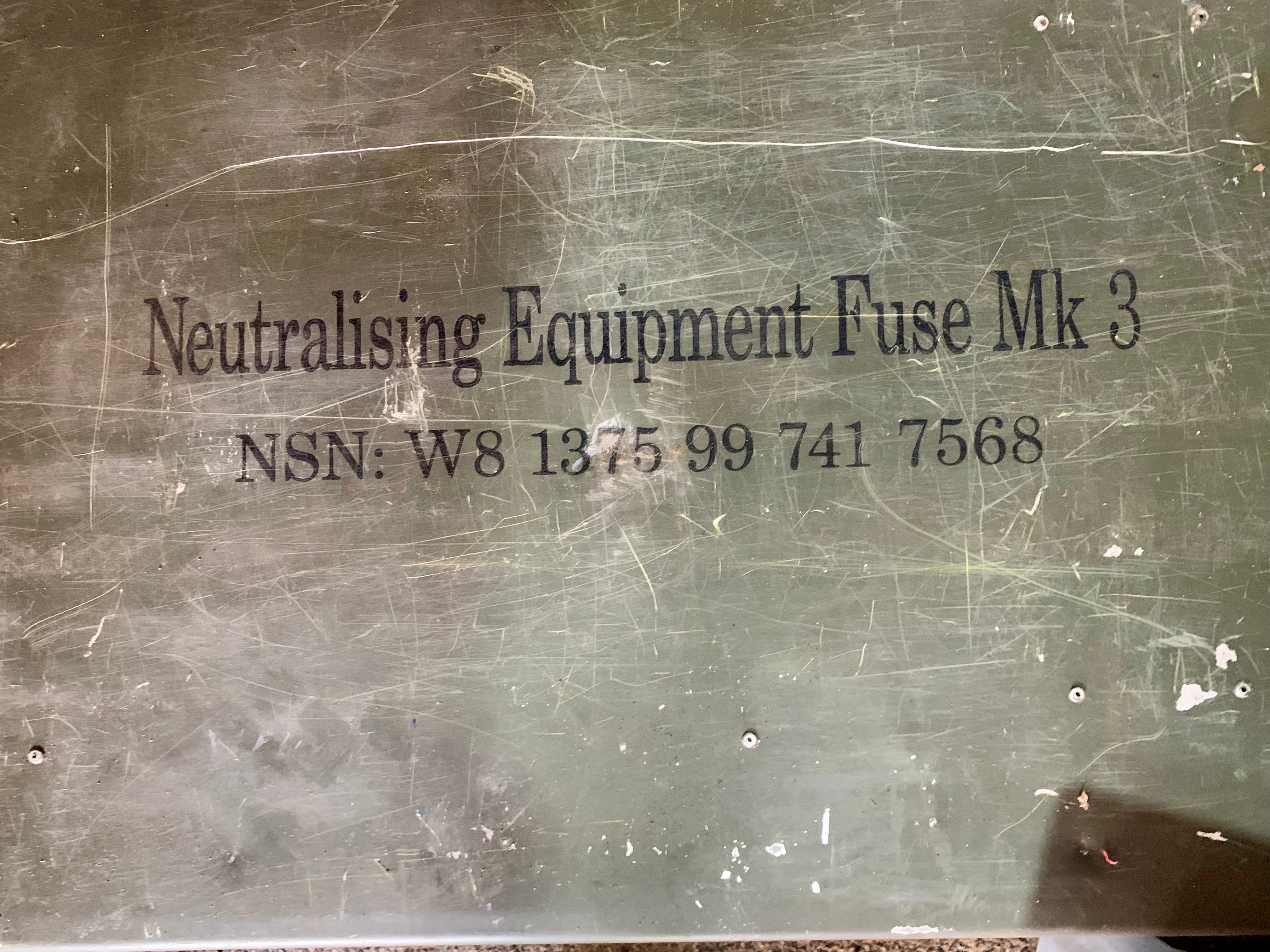
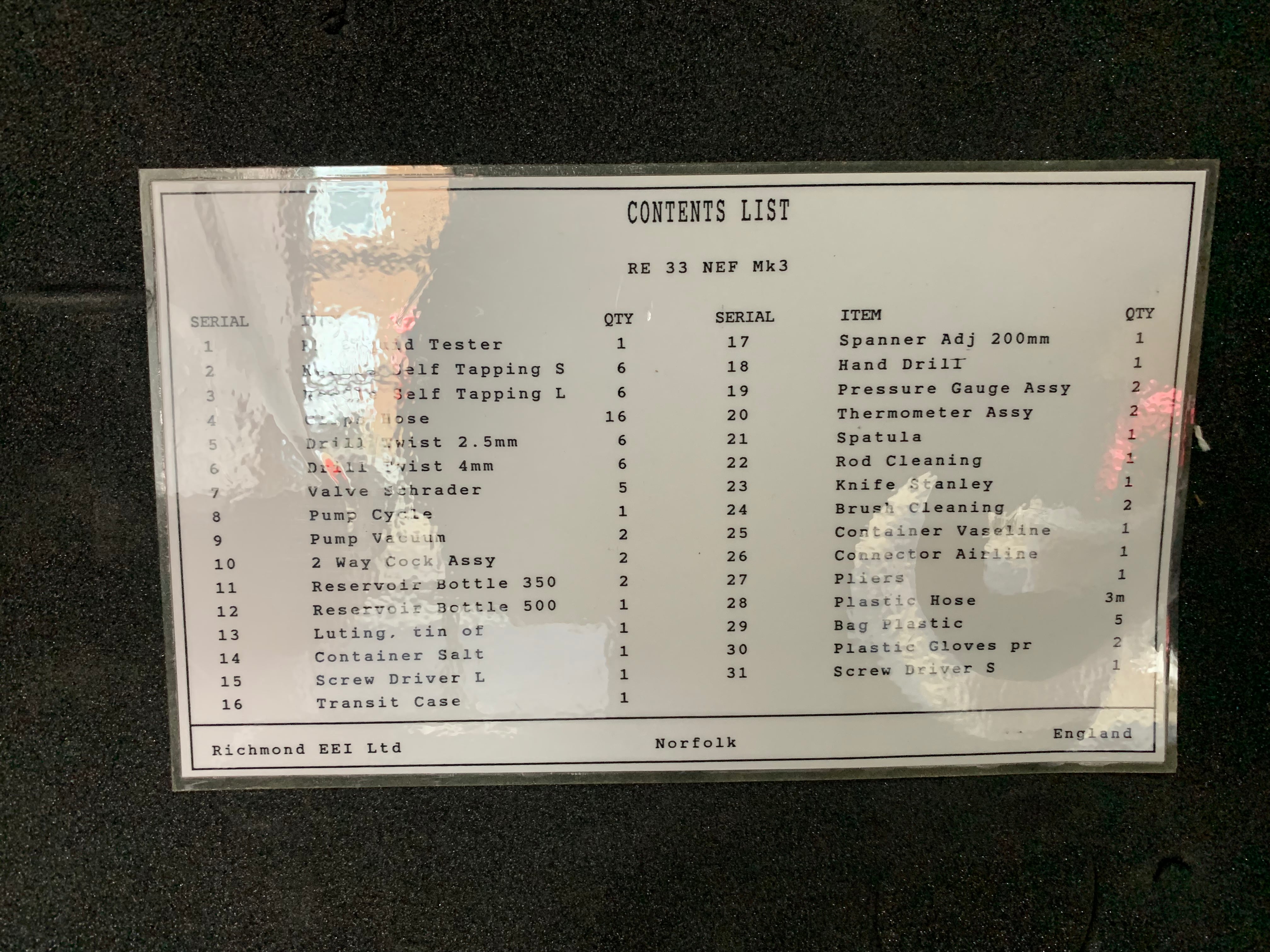
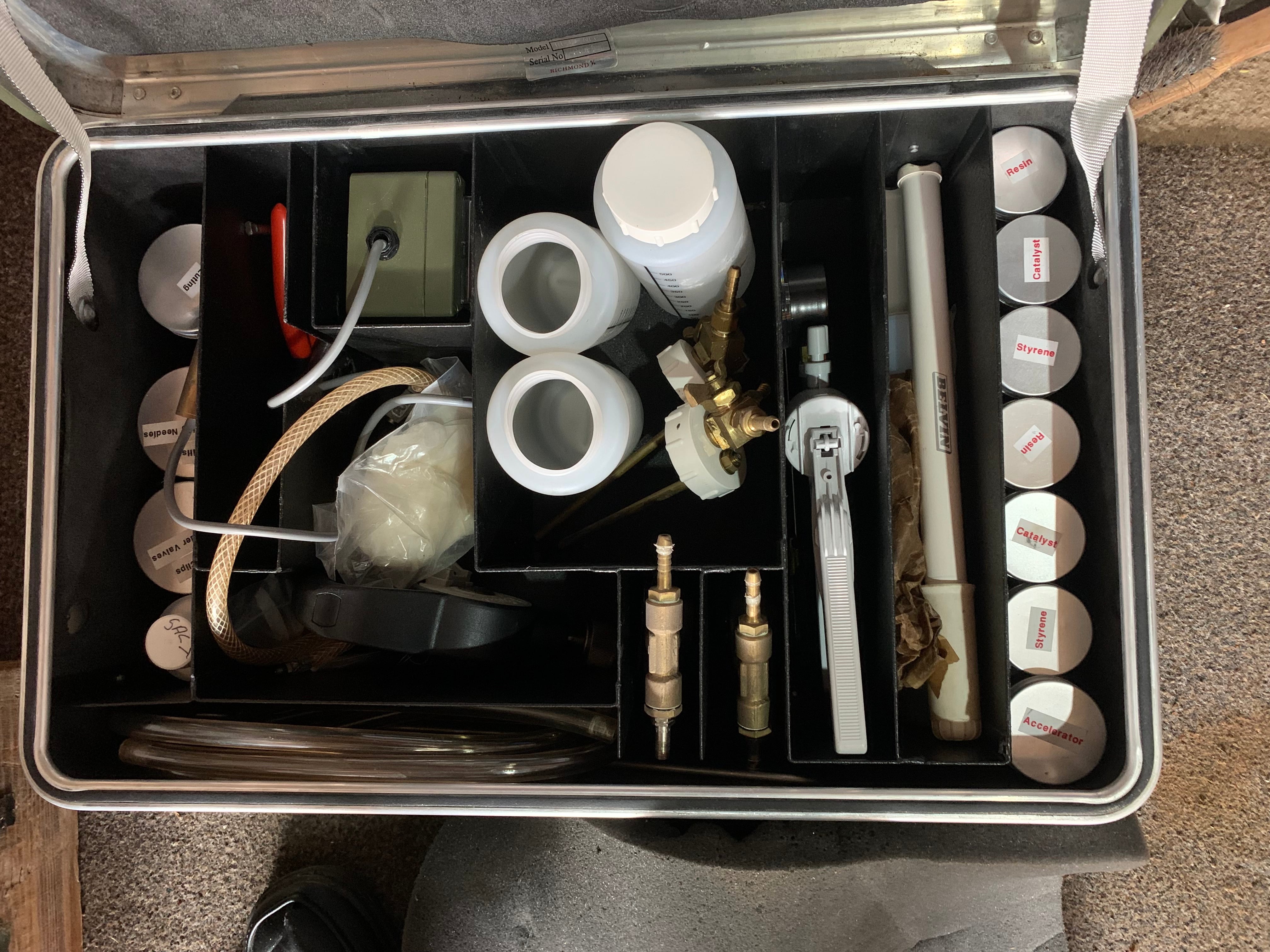
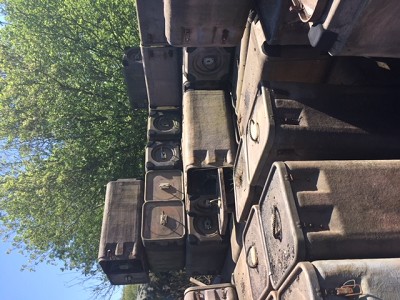
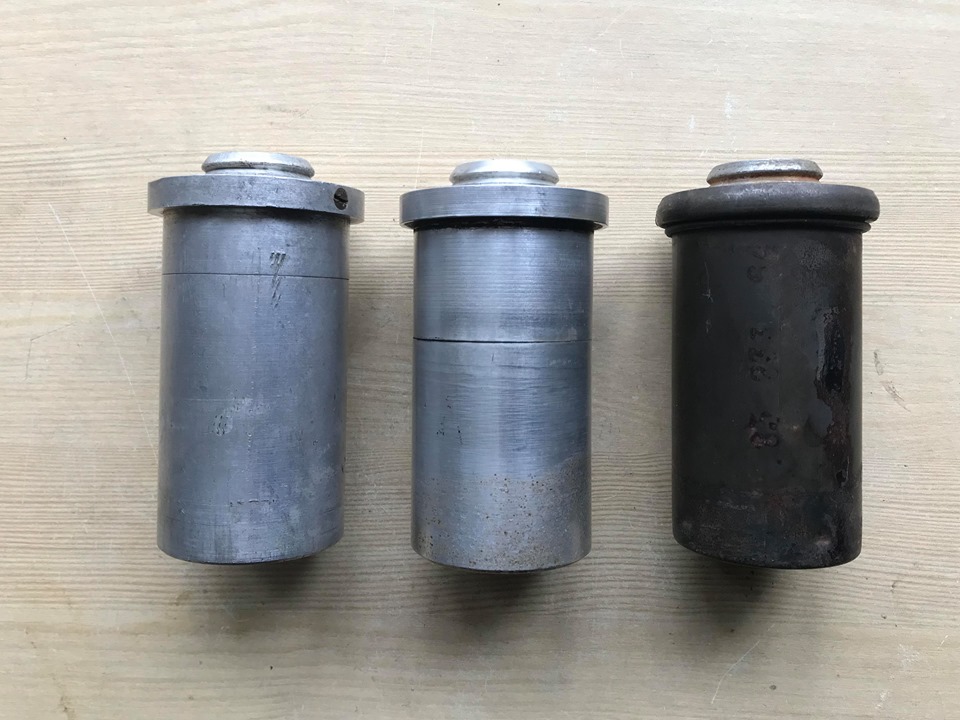
Fuze Immunisation kit In good condition looks complete. Heavy item collection in person only please.
Plate
Contents
Kit
SOLD
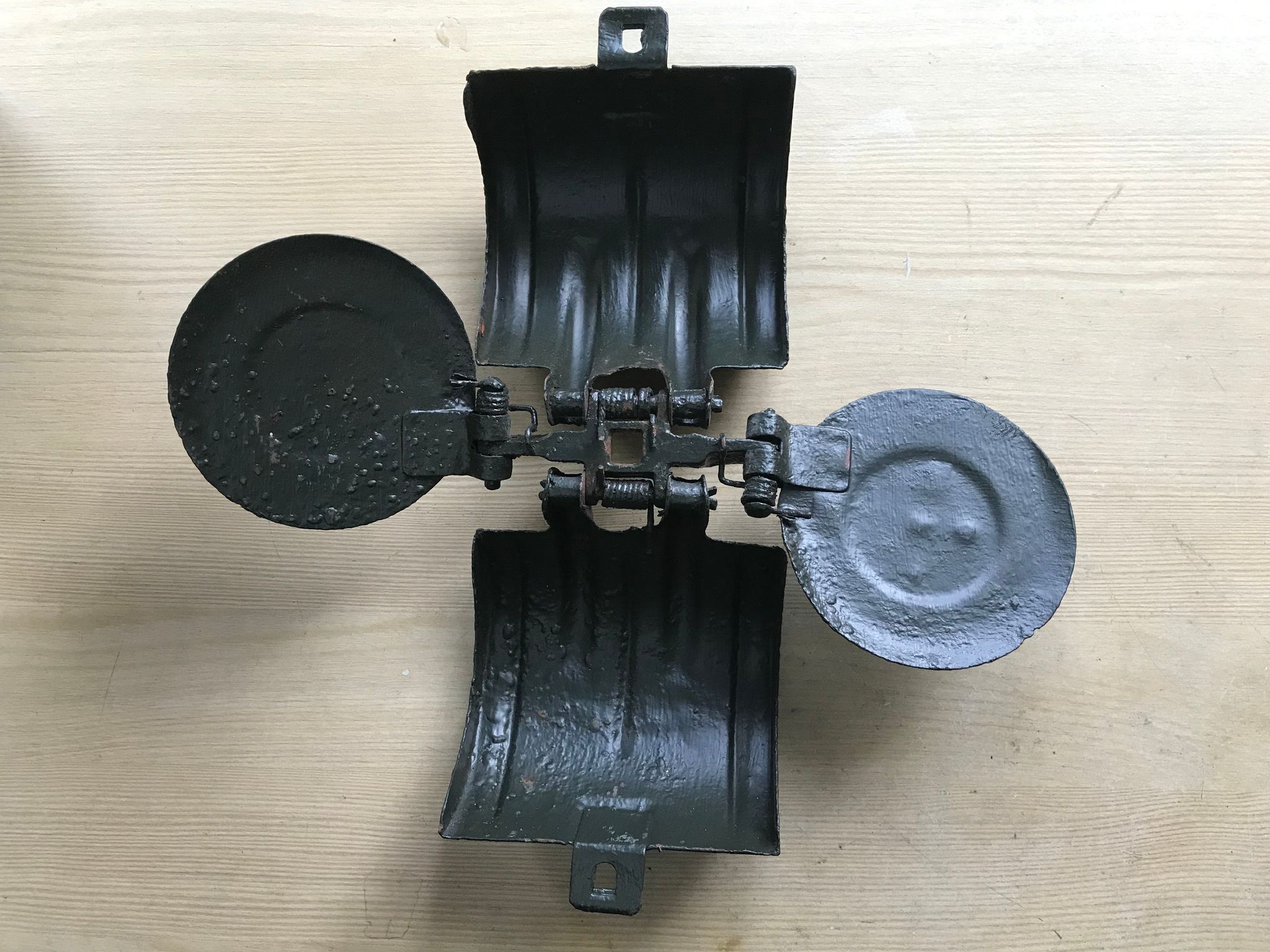
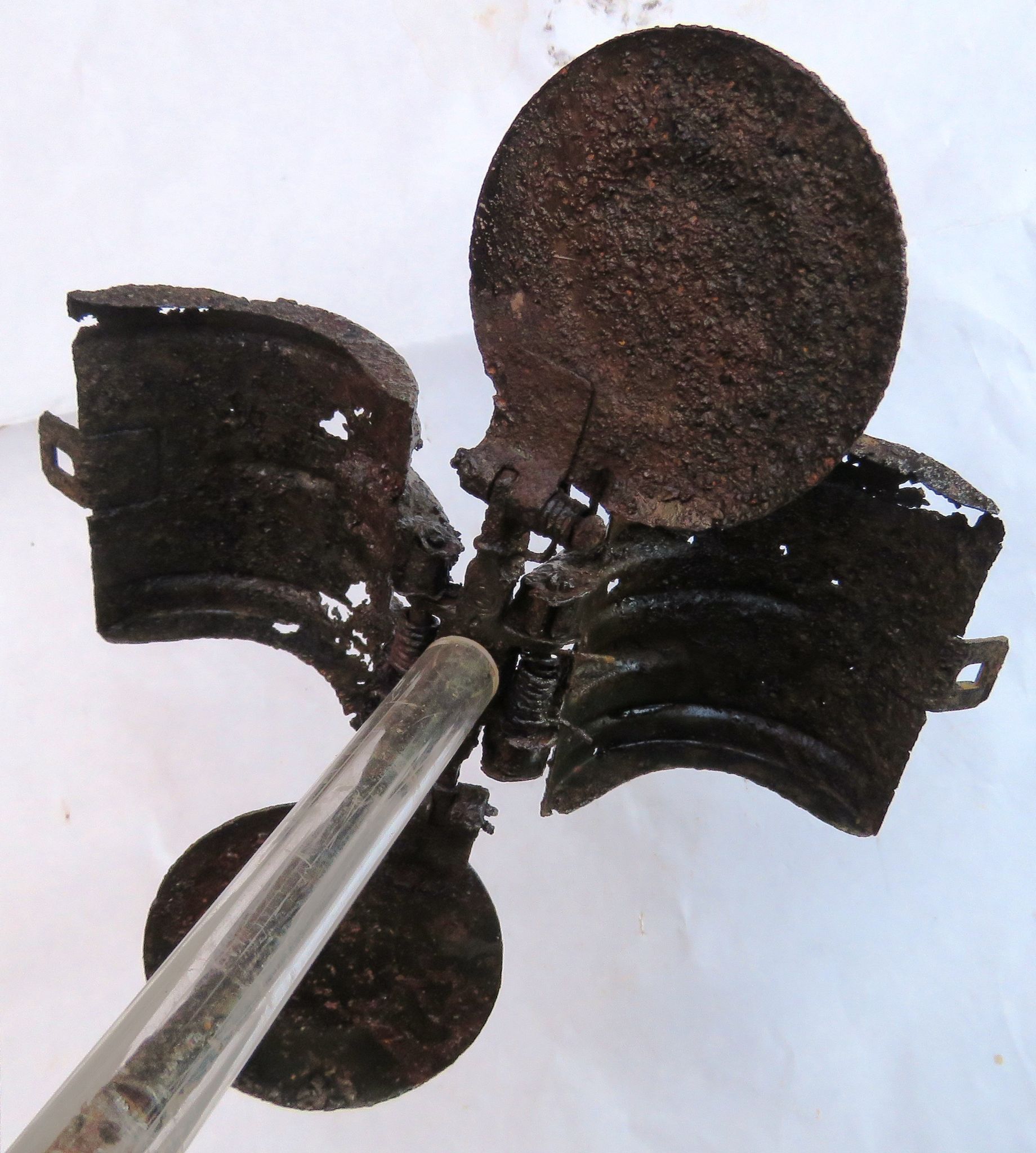
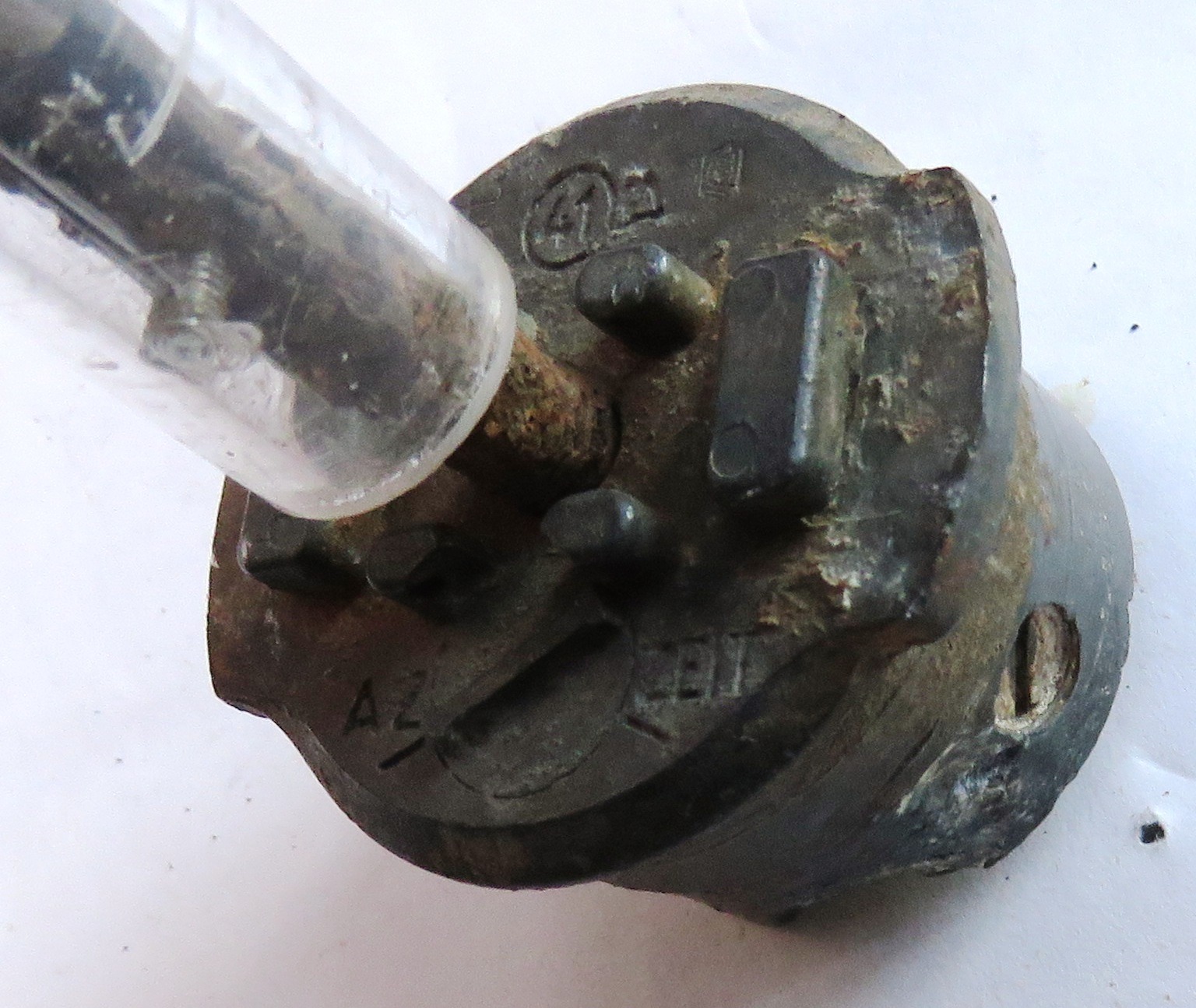
GERMAN SD2 Butterfly bomb drouge and charge case plus arming rod. An ideal restoration project For sale to the U.K. Only £250 Ono
Butterfly 1
Butterfly 2
Butterfly 3
Butterfly 4
Butterfly 5
Butterfly 6
SOLD
Mk84 1,000 Kg Bomb tails for sale please contact admin for details (located in UK)
SOLD
FOR SALE:
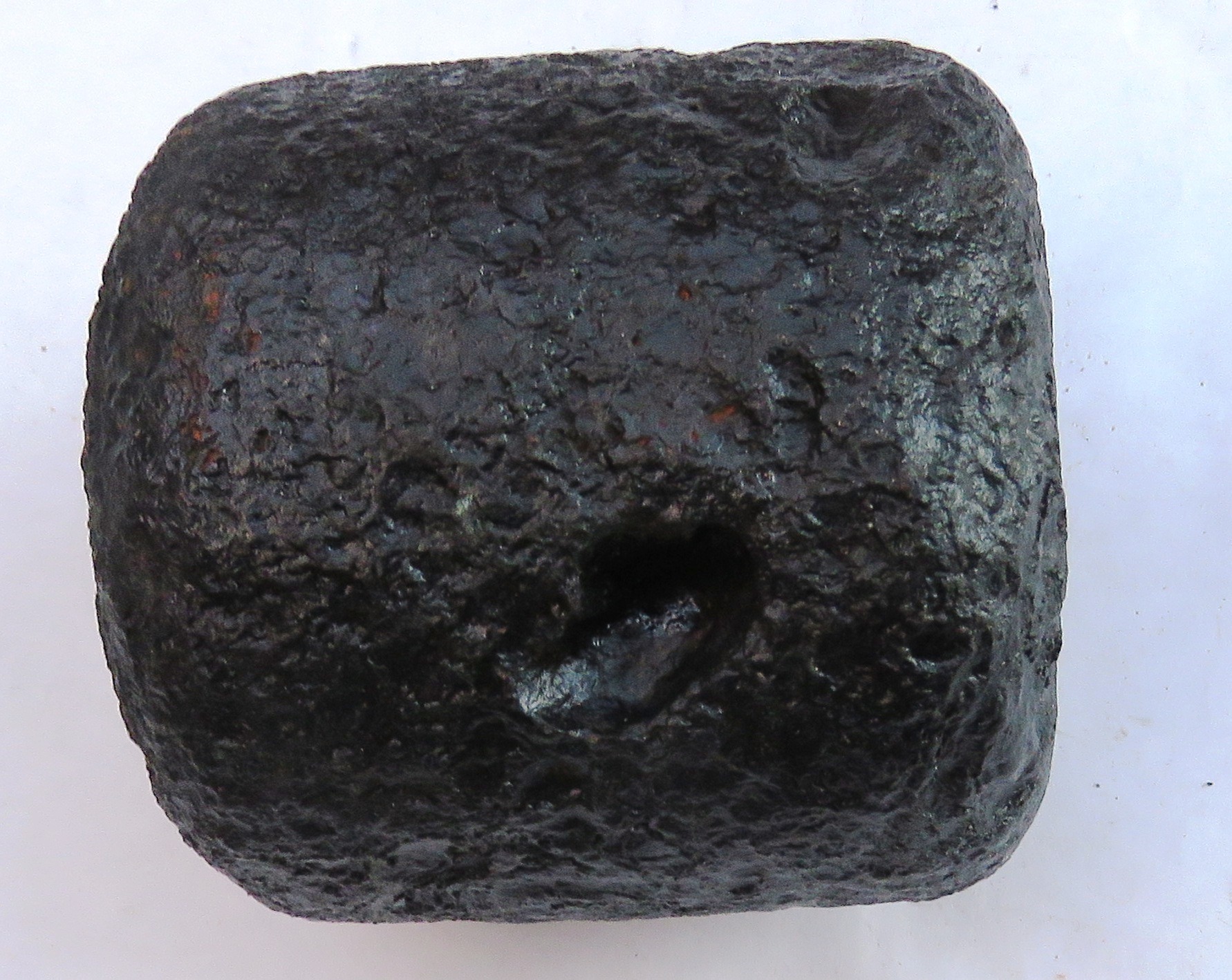
A nose weight off a British Incendiary bomb dated 8-43. Unrestored.
Weight 1
Weight 2
Weight 3
SOLD
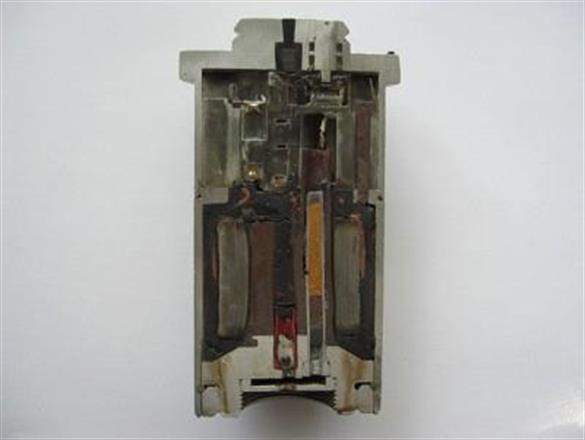
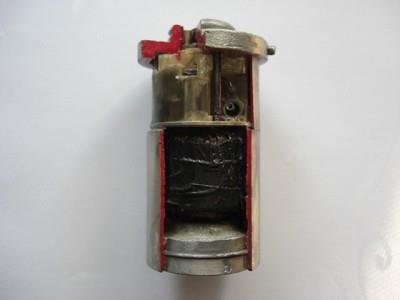
German SD2.relic condition but stable (41) fuze comes apart to see the internal.
SOLD
FOR SALE:
Very rare early (5) in Brass K (1936 ). Unusual to find in any condition this one is in near mint condition, the base shows traces of the original grey paint.
SOLD
FOR SALE:
Price £50 plus P&P
Contact Stephen
SOLD
FOR SALE: (on behalf of a friend)
This near mint (17)A fuze contains more than 90% of its original paint, they don’t get much better than this. Originally sold by myself a few years go so I know the history of this item. A real museum quality price reflects the sheer quality of this fuze
SOLD
German SC50 printed 3D These excellent printed models.
SOLD
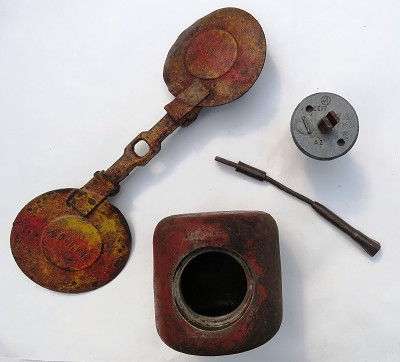
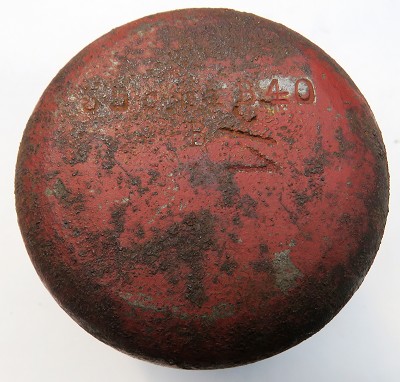
Good condition 1940 dated SD2 with larger version cropped wing (paddles remain whole but main drogues not present on wing cradle ) 41 Fuze and gaine pot included
SOLD
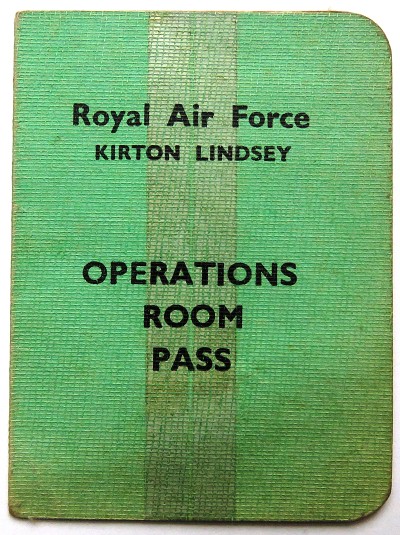
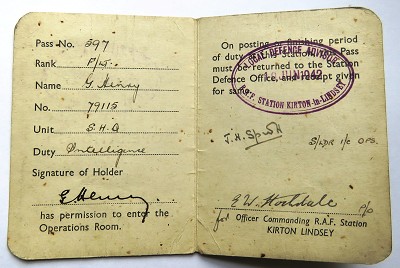
Operations pass for RAF Kirton Lindsey lot of information on the web about this station.
SOLD
FOR SALE:
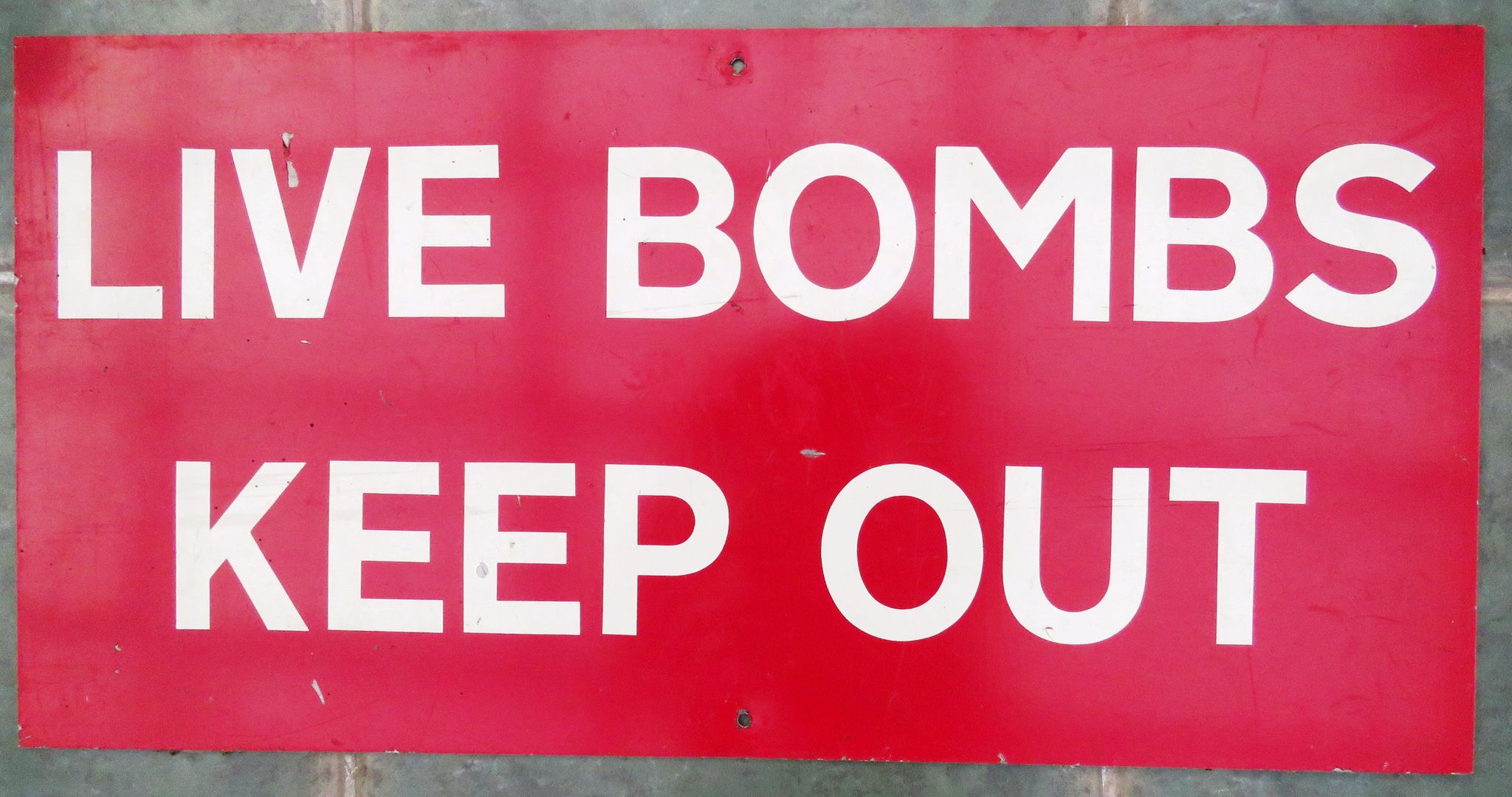
Sign, 'Live Bombs Keep Out' 24" by 12", dating from around the 1970's
The German ECR (Electrical, Condenser, Resistance) fuze was first manufactured by Rheinmetall in the 1930's, and was designed by Hubert Rhuleman
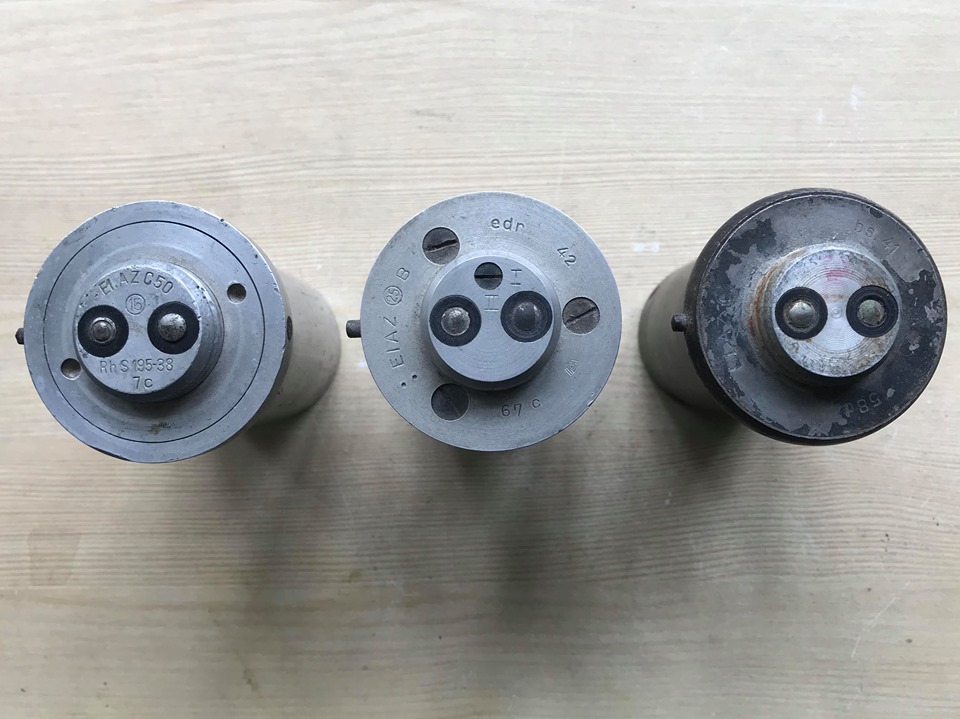
Description: The normal type of bomb fuze is 110 mm long by 50 mm wide (measured from the head to the base) the fuze consists of usually 2 charging pins, although if the fuze has only one circuit, the (17) for example then only one is present, the other is a dummy.
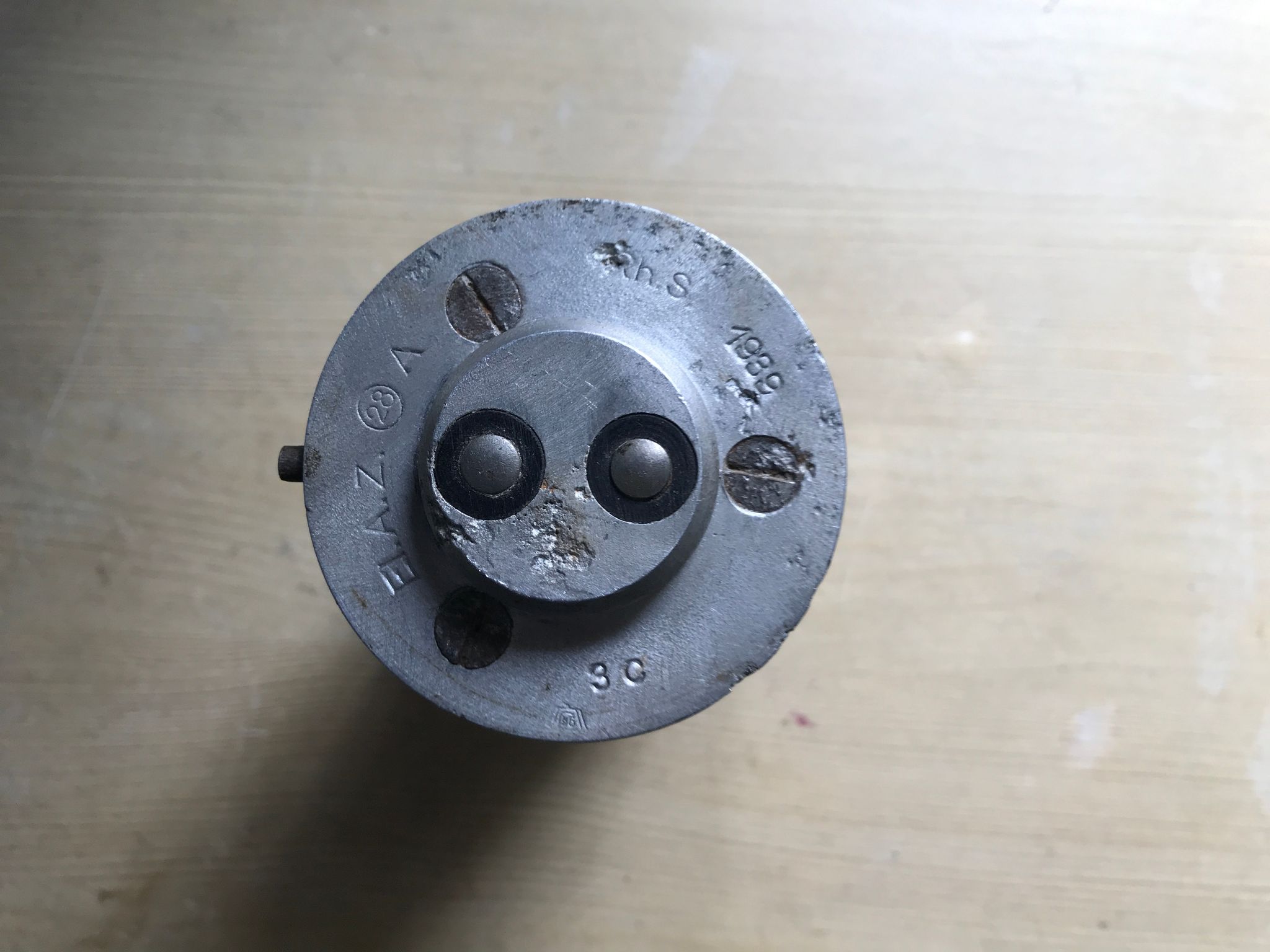
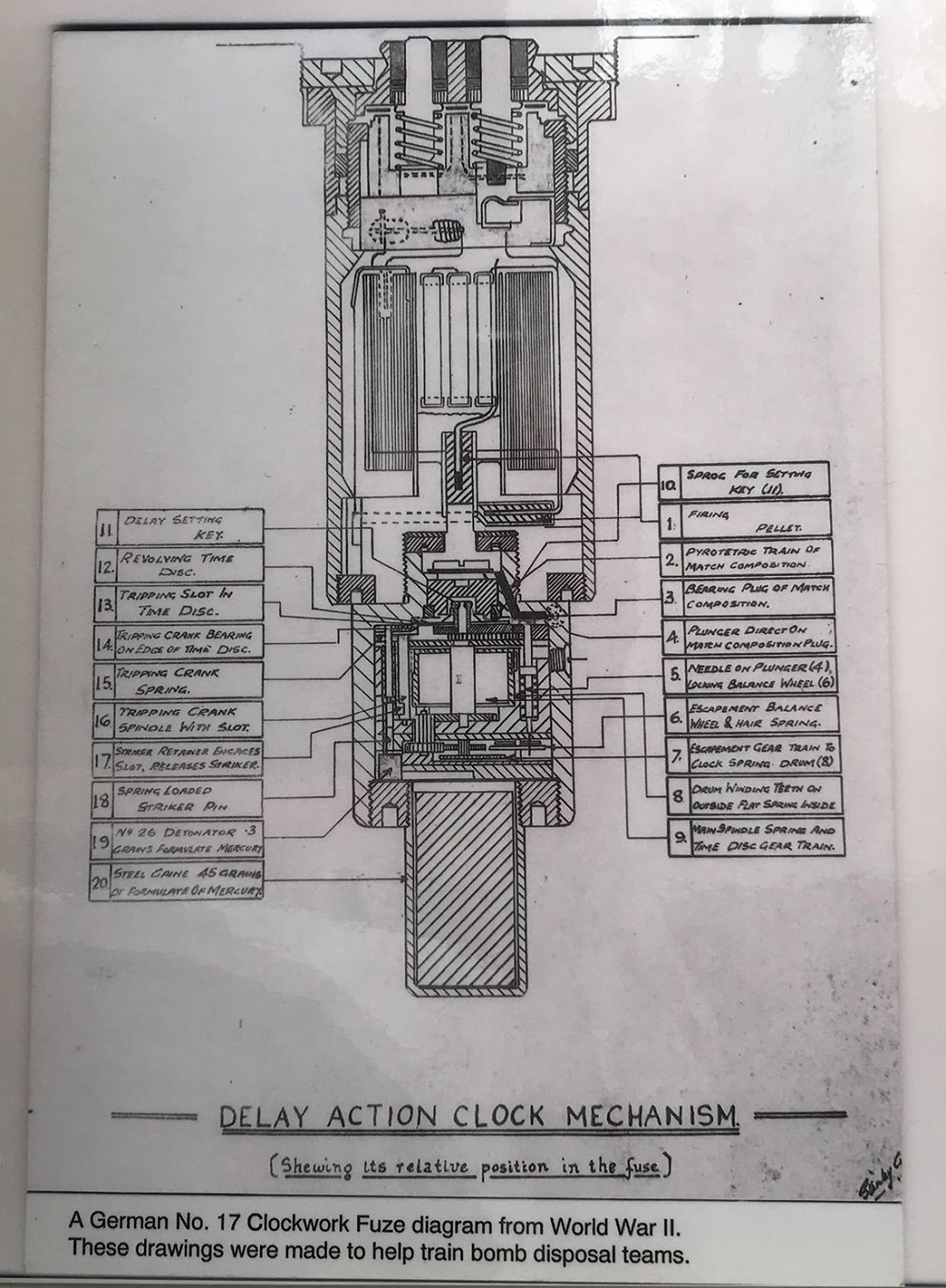
Below this is the shoulder, this may contain 3 fixing screws, its this location that the various markings are found,consisting of type of fuze ie EIAZ is an electrical impact type. Next is a ringed number NB this is very important for example a ringed (17) is a long delay clockwork fuze, it's this type of fuze that is longer in length, the clockwork portion screws into the base and is 142 mm long. then there is the Triagramme or manufacturers mark which can be 2 or 3 letters ie RhS is Rheinmetall (Sommerda ) Plant.
On early fuzes the Germans marked which bomb the fuze was to be used for, marked C50 this was the 50kg the standard bomb used at the beginning of the war.
Then the batch code ie 2a is batch 2 sub batch a, this allowed any faulty batches to be easily found, finally there is the inspectors stamp (waffenampt ) Rheinmetalls inspector was number 56.
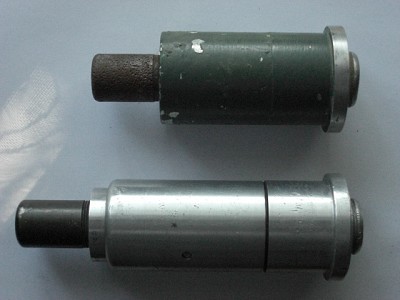
Picture shows the (15) and the longer(17) fuzes
Audio 1:
German 17 Ticking Clock
Audio 2:
German 17 Ticking
Construction:
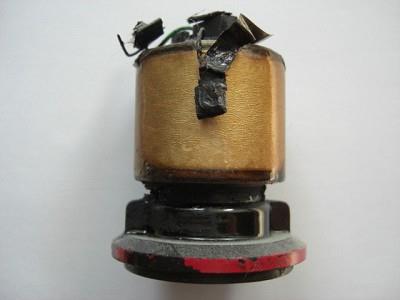
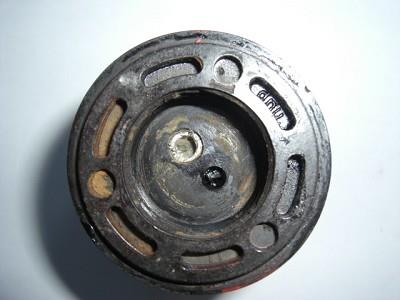
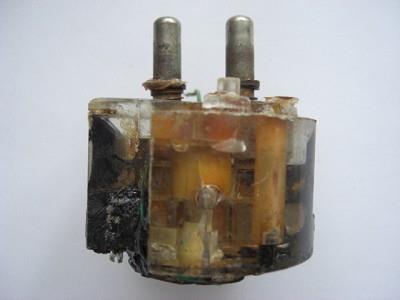
Usually Aluminum, but could be steel, in two parts the top part containing the charging pins is known as the SWITCH BLOCK, which also houses the TREMBLER SWITCHES. The bottom section containing the resistors and capacitors, that contain the electrical charge, at the very bottom is a screw thread its here that the GAINE screws into.
The (55) fuze and the (89) fuze are constructed using tubular steel and are made in one piece instead of the usual two pieces.
How the ECR Fuze works:
The normal ECR fuze is one that is charged electrically ,on leaving the aircraft, during the bombs fall, the electrical charge trickles through Resistors to a firing Condenser .The impact of the bomb landing, causes a sensitive vibratory switch to close the circuit and detonate the bomb,through a firing bridge (Similar to a match head) this creates a flash that detonates the sensitive penthrite wax, contained in the attached Gaine which can be either steel or Bakelite
Fuze fittings: The early bombs were fitted into the fuze pocket using a slotted steel o ring and two screws, however it was often found that the screws would work loose and the fuze was likely to fall out !
Notable dates of various fuzes when introduced:
Type Date Remarks (5) 1936 (9) 1938 Test pin (9) 1939 Screw cap (15) 1937 (17) 1940 (17)A 1941 (25) 1939 (24)A 1941 Anti break up rupture fuze (25)A 1940 (25)B 1941 (25)C 1942 (26) 1940 Oil bombs.
(28) 1937 Possibly this fuze was originally a Brass or Ali No5 (28)B 1940 (35) 1940 (38) 1940 (45) 1940 (45)A undated (50) 1940 (50)B Y 1942 Specifically designed to kill the officer defuzing bomb (55) 1940 ? (55)A 1942 This was fitted with an external nose switch (57) 1941 Never dropped over UK (59) 1940 (59)A 1940 (59)B 1941 (79) 1942 (89) 1942
This list was compiled from various sources including specimens from my own collection. Its interesting to note that after a fuze was introduced often any variations or changes the date was omitted.
Copyright: Stephen Venus / bombfuze.net All images and content are the property of Stephen Venus and must not be copied or reproduced without the express permission of the owner